The reviews pages often get unnoticed, but this is where you will find my reviews on smartphones, tablets, laptops, wearables, internet of things, accessories, headphones, DAC’s and power amps. There are also historical reviews covering some popular classic smartphones. Whatever device you’re browsing on, just click menu, reviews, or if on a PC web browser, reviews and then choose the sub category.
If you are buying anything on Amazon, please use the link below. This will help support Gavin’s Gadgets with all the running costs and more and won’t be any different in cost. Without your support it will be difficult to continue. Thanks in advance.
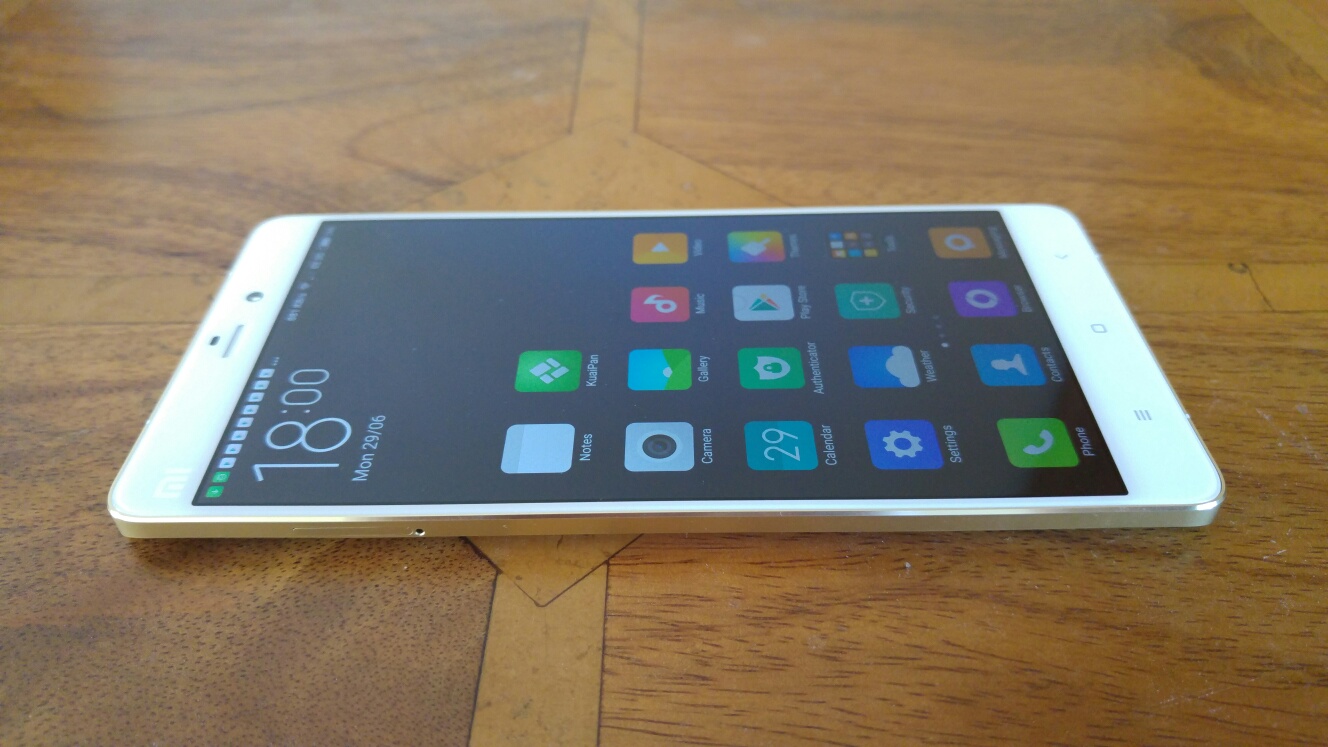
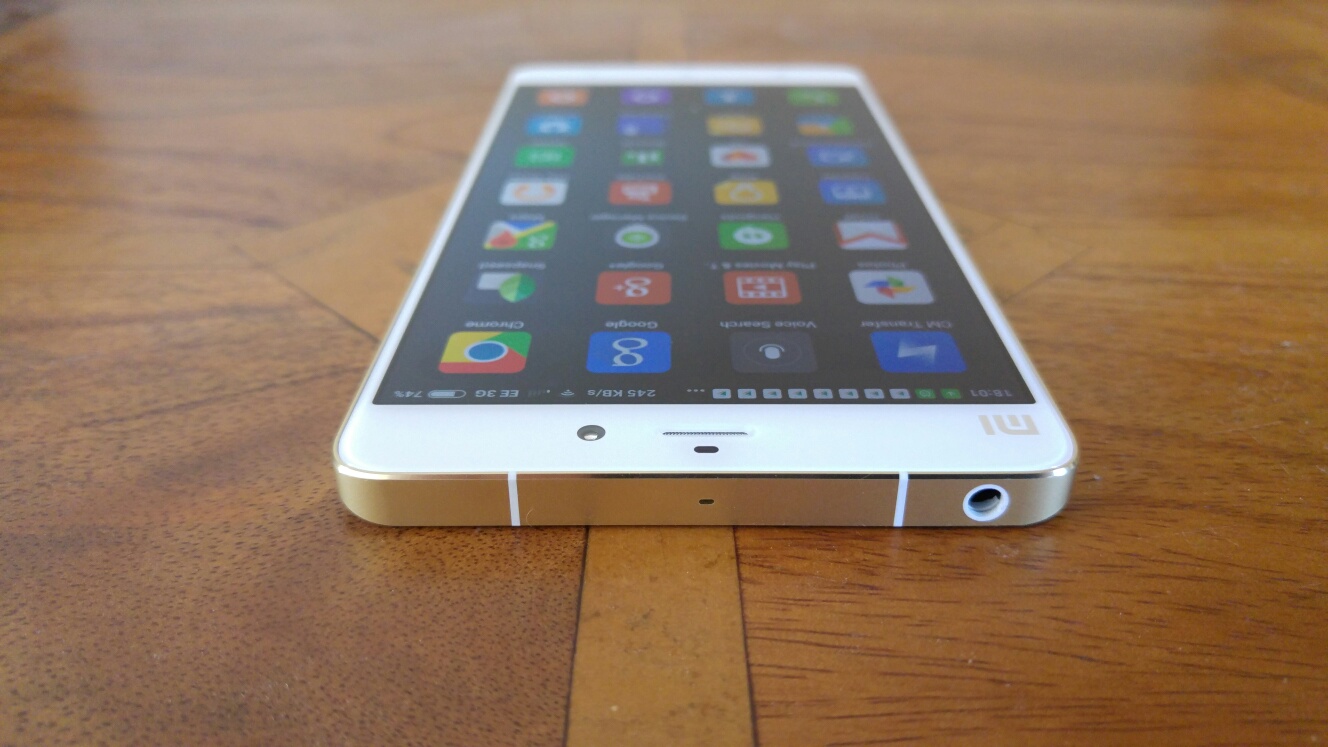
The Xiaomi Mi Note Pro is similar to the Mi 4i that I currently own. The camera app follows a similar path except it has HDR Auto mode and a few other tricks. Below are some camera shots from the Mi Note Pro.
I noticed that panoramic shots are rather small in file size. Overall, the photos look fairly reasonable. However, the camera performance in my opinion not in the same league as the LG G4.But what do you think?
I will cover off more aspects of the Mi Note Pro when I post my full review as it does have some true flagship winning aspects.
– Display 5.2-inch (1920 x 1080); 424ppi
– Processor Hisilicon Kirin 930; 8-core 64-bit; 2.0 GHz
– Operating system Android 5.0 Lollipop
– Storage 16GB on-board
– RAM 3GB
– Network GRA_L09: TDD LTE: B40 FDD LTE: B1/B2/B3/B4/B5/B7/B8/B12/B17/B18/B19/B20/B25/B26/B28 UMTS: 800(B6,Japan)/800(B19,Japan)/850/900/1700/1900/2100MHz GSM 850/900/1800/1900MHz
GRA_UL00: TDD LTE: B38/B39/B40/B41 (2555MHz~2655MHz) FDD LTE:B1/B3/B4/B7 UMTS: 850/900/1700/1900/2100MHz(B8/B5/B4/B2/B1) GSM : Main card: 850/900/1800/1900MHz; Second card: 850/900/1800/1900MHz
– Rear camera 13MP with OIS, 1080p video, 4-color RGBW sensor
– Front camera 8MP
– Dimensions 144.9mm x 72.1mm x 6.4mm
– Weight 144g
– Colours Mystic Champagne, Titanium Grey, Gold, Carbon Black
– GPS GPS/A-GPS/Glonass/BDS(BeiDou Navigation Satellite System)
– Connectivity 802.11n, Bluetooth 4.1 LE, microUSB
– Sensors G-sensor; Gyroscope sensor; Ambient Light sensor; Proximity sensor; Compass, Accelerometer
– UI EMUI 3.1
– Battery 2680 mAh
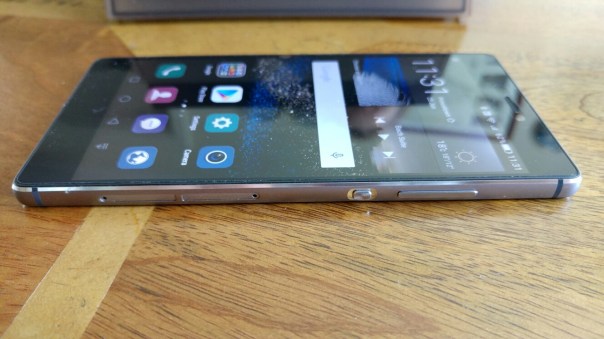
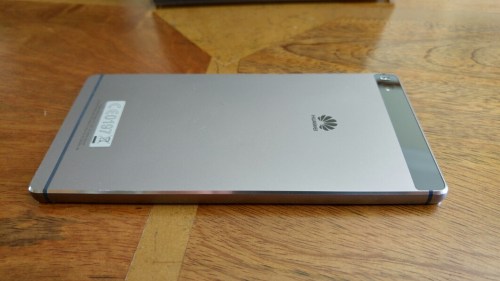
The Huawei P8 is a gorgeous steel unibody designed phone. It oozes premium and quality. It is slim, easy to hold and fairly lightweight. In my tests so far the camera has performed admirably and so has the battery easily lasting a day.
The P8 comes with a tray for your nano sim and another for a micro SD card.
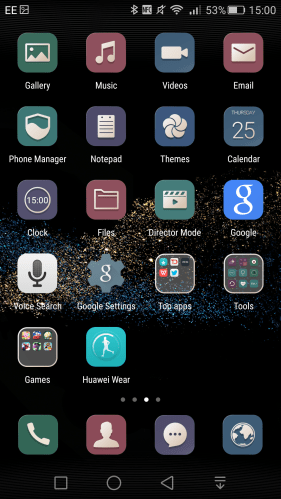
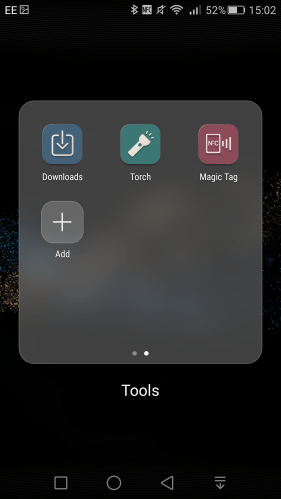
After you have completed the first setup of the Huawei P8, you are graced with the home screens as below. The P8 is running Android 5.0 with Emotion 3.1. In terms of storage space, 8gb was available out of the 16gb expandable with a micro SD card.
These screen shots give you a feel of what you get with your new P8.
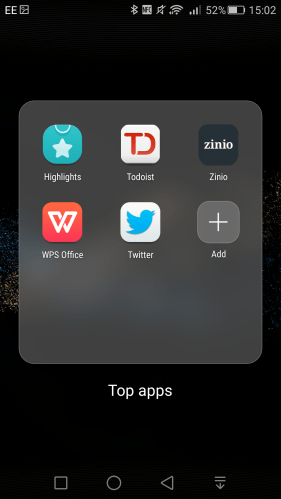
Top Apps and Games Folders. You might decide to delete some of these and if you do you will free up some of your internal storage. I would recommend deleting all the games as they are trials and have notifications access permissions once opened.
Like other phones from Huawei when it comes to the phone basics the P8 shines. Strong wireless radios (WiFi, Bluetooth, NFC) and cell signal. However on the WiFi front there is no 5Ghz support or AC. It has a feature called Signal+ that uses both software and hardware to maintain cellular signal, even when travelling at speeds. The P8 I have supports 16 bands of LTE. My model number is GRA-L-09.
Now to some bugs that I have discovered. Android Wear support is broken. Lock screen notifications for Gmail and Hangouts are not appearing. The status bar cannot handle multiple Gmail notifications and are difficult to read with the default theme and wallpaper. Hopefully, a firmware update will address these issues especially as Huawei has an android wear watch going on sale!
The 5.2 inch screen is a lovely 1080p panel with decent viewing angles. In sunlight the P8 adjusts its brightness to improve readability.
Performance. Huawei manufacture their own processor, a Kirin 930, 8-core 64-bit running at 2.0 GHz. Long and short is it performs really well and is excellent at battery management too. AnTuTu kicked in at a respectable 51,500.
Audio
USB Audio is not supported. FM Radio is included. Bluetooth APT-X is included and music played via my Plantronics BackBeat Pro Bluetooth headphones was exceptionally good. The loudspeaker is on the bottom edge and although there are 2 speaker grills, there is only one speaker. This had lots of bass and volume and as good as the HTC One M9 Boomsound. It maxed out at 90db which is impressive.
Camera Interface
The rear camera is a 13-megapixel camera with OIS and two-tone flash. It includes a new RGBW sensor from Sony, which adds an additional white pixel to the red, green and blue found in regular image sensors. The OIS can also be toggled off in the camera settings. The new sensor reduces chroma noise and produces a brighter image in high-contrast situations. Add to the fact the rear camera is a f/2.0 lens and the end result is quality photos. But there is more.
The P8’s camera app has many shooting modes including HDR, panorama All-focus (for changing the focus point), Watermark, Super Night (to capture images at a range of different shutter speeds and combines them to form a finalised image), Light painting and Time Lapse. Light Painting has 4 sub modes from Car light trails, light graffiti, silky water and star track. Video records at a max of 1080p. Within the settings you can adjust so many different options, as shown below. There is even object tracking. However, there is no option for grid lines which is surprising.
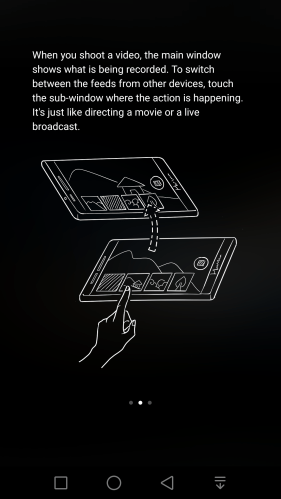
When it comes to video recording the P8 can allow up to 4 other P8’s to connect and record video using Director Mode. See screen shots below.
Huawei P8 Camera Shots
mdehdr
Wistman’s Wood, Dartmoor
George and Tiggy – note the difficult shadow and sun conditions
Tiggy looking happy
Littaford Tor, Wistman’s Wood, Dartmoor
The Ancient Trees of Wistman’s Wood, Dartmoor – the lighting was near impossible to capture with darkness and mega bright sunlight pouring in
From Wistman’s Wood looking towards Princetown, Dartmoor
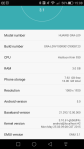
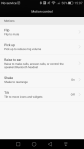
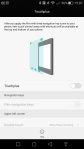
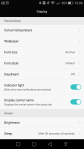
Below are screen shots from the Emotion UI 3.1 highlighting some of the key features. If you click on a photo it will open up the gallery.
Some of the noteworthy features included are –
Motion controls, glove mode, one handed mode, navigation menu bar layout is adjustable and can have up to 4 menu items (I have 4 as in screen shots), TouchPlus (a clever protector that adds extra controls), several power saving modes, screen colour display adjustments, themes and lock screen options.
To see each screen shot as a gallery, just tap on one of the photos below.
Conclusion
The Huawei P8 is a well built steel unibody phone. As Huawei take control of the software and hardware, on the whole the processor, software and hardware work well together. Phone radio essentials work effectively, the only issue is android wear and some Google apps are not working correctly Hopefully, the software updates will be fixed in a future firmware update.
Huawei offer a compelling product at around £400 but also face some stiff competition.
It doesn’t get simpler than this. Take the LG G4 which has one of the best cameras on a smartphone, pit it against the Huawei P8 and Xiaomi Mi4i.
The first sequence of shots were taken on a tripod. Click on each photo to access the full size version if you require.
First up, LG G4. The shot below is taken in auto mode, using HDR.
LG G4 again, but without HDR.
Next up is the Xiaomi Mi4i, using HDR. The Mi4i has 2 HDR modes, this is HDR Live mode.
Xiaomi Mi4i – HDR Enhanced mode. I really like this shot.
Below is the Xiaomi Mi4i but is normal mode.
Time to see what the Huawei P8 can accomplish. So shot below is using HDR. A bit dark in places.
Huawei P8 in normal mode. Not so keen on this shot.
Now for a bit of fun. Google Photos made a GIF of the photos above. This proves each phone was on the tripod in pretty much the same place. It also highlights how similar each phone performs in good light.
Huawei P8 HDR and handheld. All of the shots below are handheld. I like the result of this one from the P8.
Huawei P8, normal mode and handheld again.
LG G4, HDR mode and not so impressed with this shot myself.
LG G4, normal mode, and again not so pleased with the outcome of this shot.
Xiaomi Mi4i – HDR Live mode and over exposed.
Xiaomi Mi4i – HDR Enhanced mode and the outcome is much better.
Xiaomi Mi4i – normal mode.
So what do you think? Which is your winner from each of the 2 angles snapped on my local church?
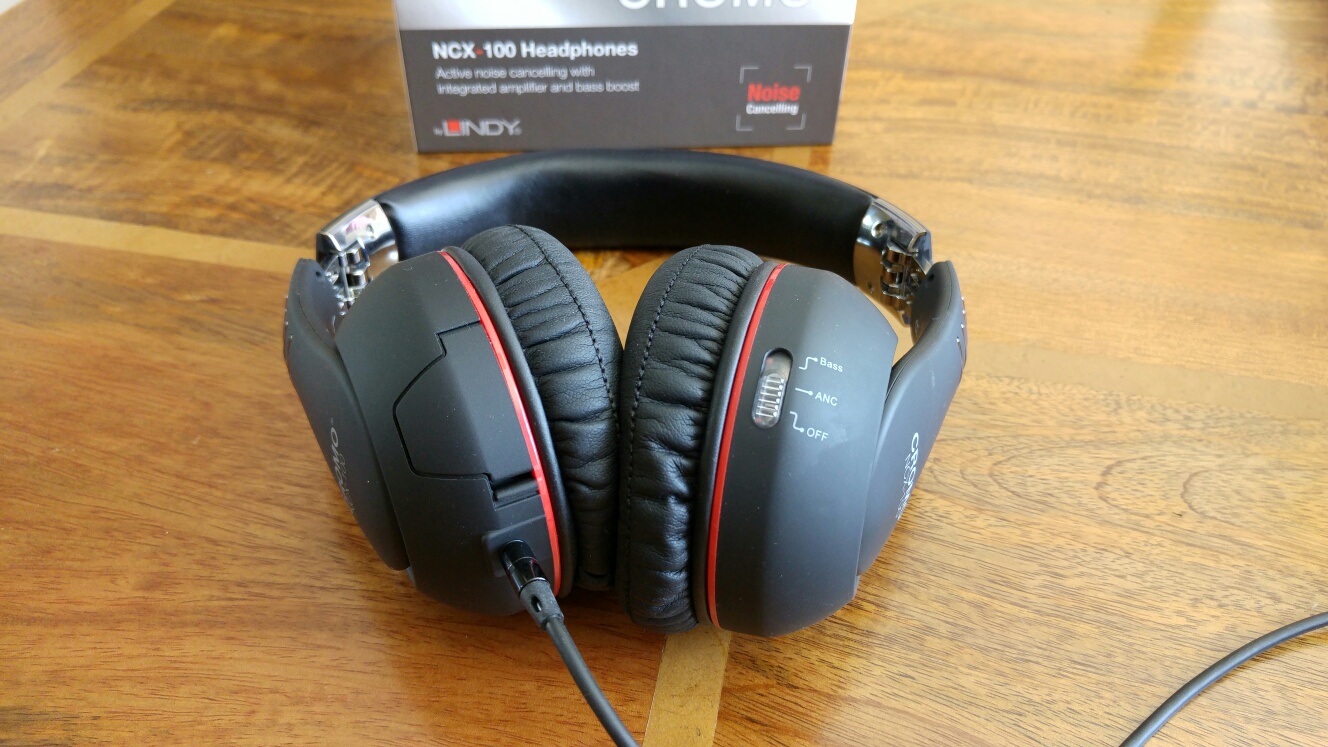
Welcome to my review of the Lindy Cromo NCX-100 Active Noise Cancelling headphones that come with an integrated amplifier and bass boost option. I have been using/testing these headphones for a couple of months now.
You can see from the first photo, on the left side is the headphone cable with in-line mic which can be removed for safe transit and the battery compartment for 2 x AAA batteries. The opposite side has a slide switch to select from off, active noise cancellation or bass boost.
Lindy also supply a hard case for travel/transit which is superb. You also get padding as shown in the photos. A carabiner clip, flight and 6.3mm adapter is also supplied. All this for £100!
The specifications are –
– Impedance – 32 ohm passive mode, 100 ohm Noise Cancelling and Bass mode
– Sensitivity – 93db +/-3db/1mW @ 1Khz Passive mode / 103dv +/-3db/1mW @ 1Khz ANC mode and 104db Bass mode
– Frequency Response – 20Hz – 20Hz
– Nominal Total Harmonic Distortion – <0.1% at 1Khz passide mode, <0.5% at 1Khz Active Mode
– Up to 15db of active noise cancellation
– 1.4m audio cable with in-line mic
– Requires 2 x AAA batteries (not supplied)
The features of these headphones start with the 40mm high output drivers with neodymium magnets, an integrated 5 Watt amplifier with an optional 10db bass boost and active noise cancellation using 4 microphones which removes according to Lindy up to 95% of external noise. The headphones also work in passive mode and includes an auto power off.
These headphones have also won several awards – AVForums BestBuy, HiFi Choice Recommended and Loaded Recommended.
After using these for two months now, it is easy to see why these headphones won so many awards. For starters these are super comfy to wear, sound really good across a wide range of genres and are protected in a hard type case whilst in transit. On average I found the batteries would last for around 20 hours music playback. Once the batteries run out, you can continue listening to your music in passive mode. With active noise reduction switched on there is a slight hiss, which is noticeable in a really quiet room. The sound is well balanced with just the right amount of bass. Not enough bass, just switch on the bass boost. In this mode, I really was surprised at just how much bass was possible with certain tracks. Lindy claim that in active noise cancellation mode up to 95% of noise is removed. This is probably about right. I tried listening to music with the washing machine running loudly and I could only hear the machine occasionally. My advice with these headphones is either to find a source of low cost AAA batteries or invest in some rechargeable AAA batteries. Other than having to keep changing the batteries, I cannot find fault with the Lindy Cromo NCX-100 headphones. Highly recommended.
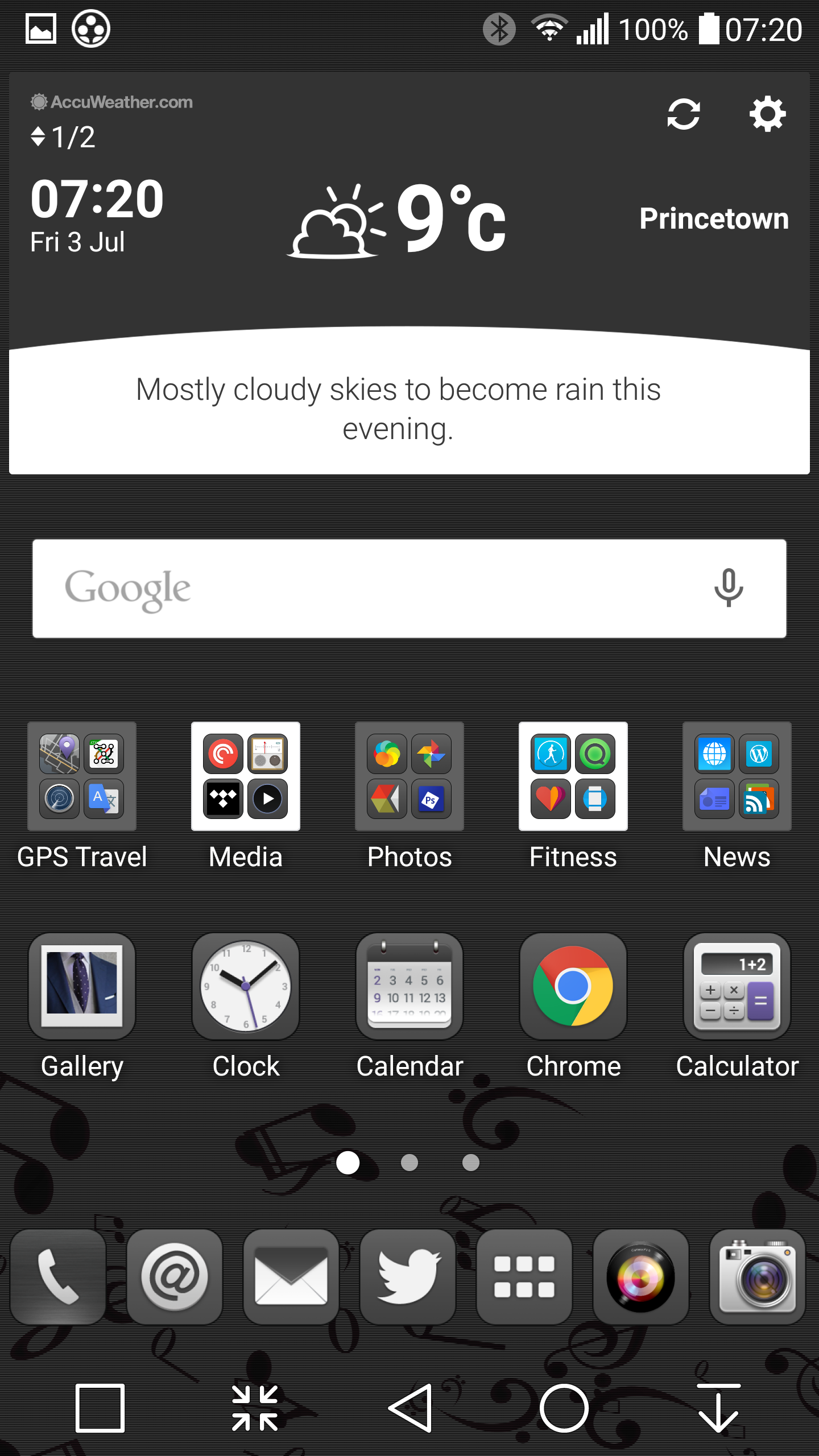
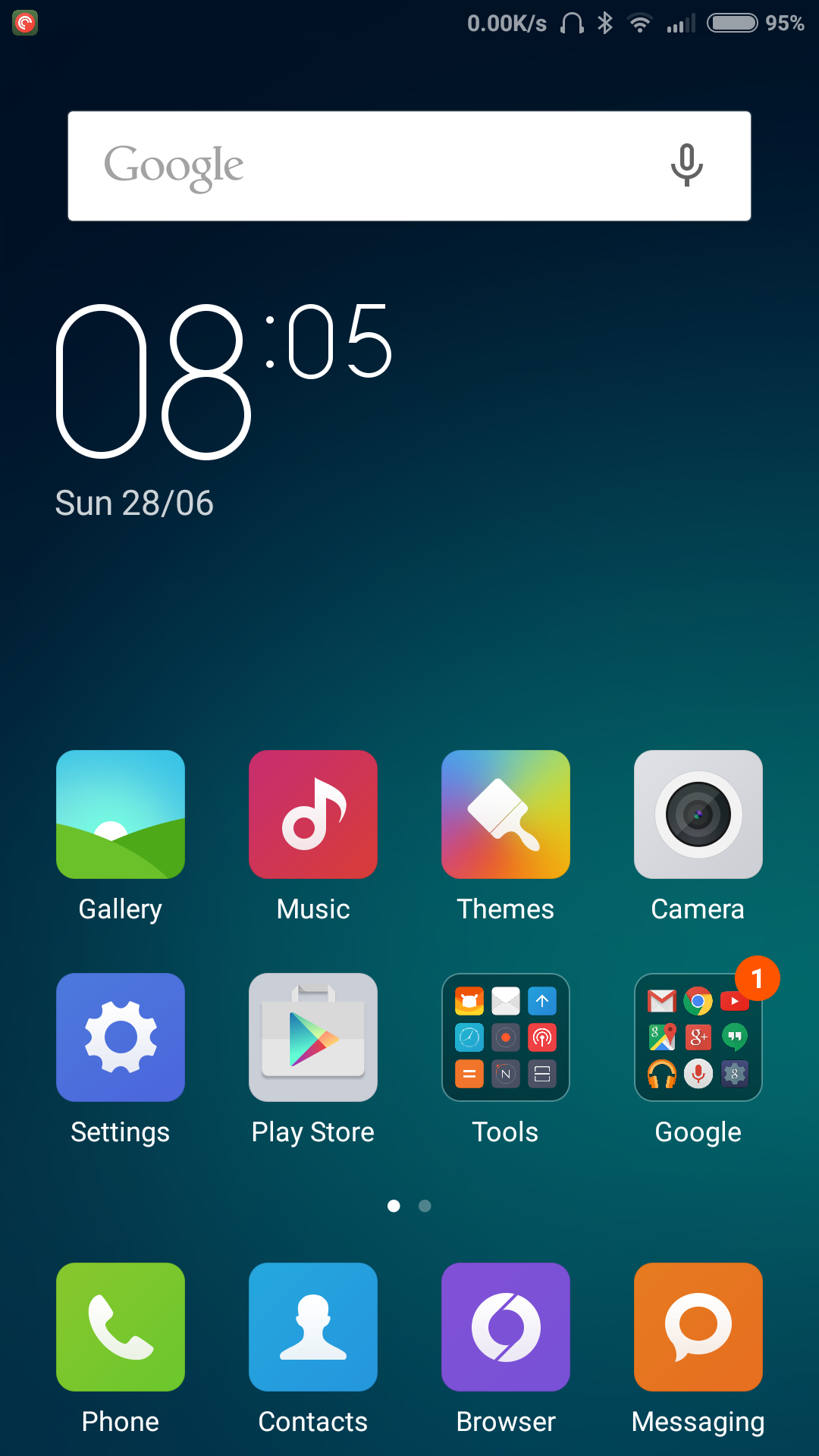
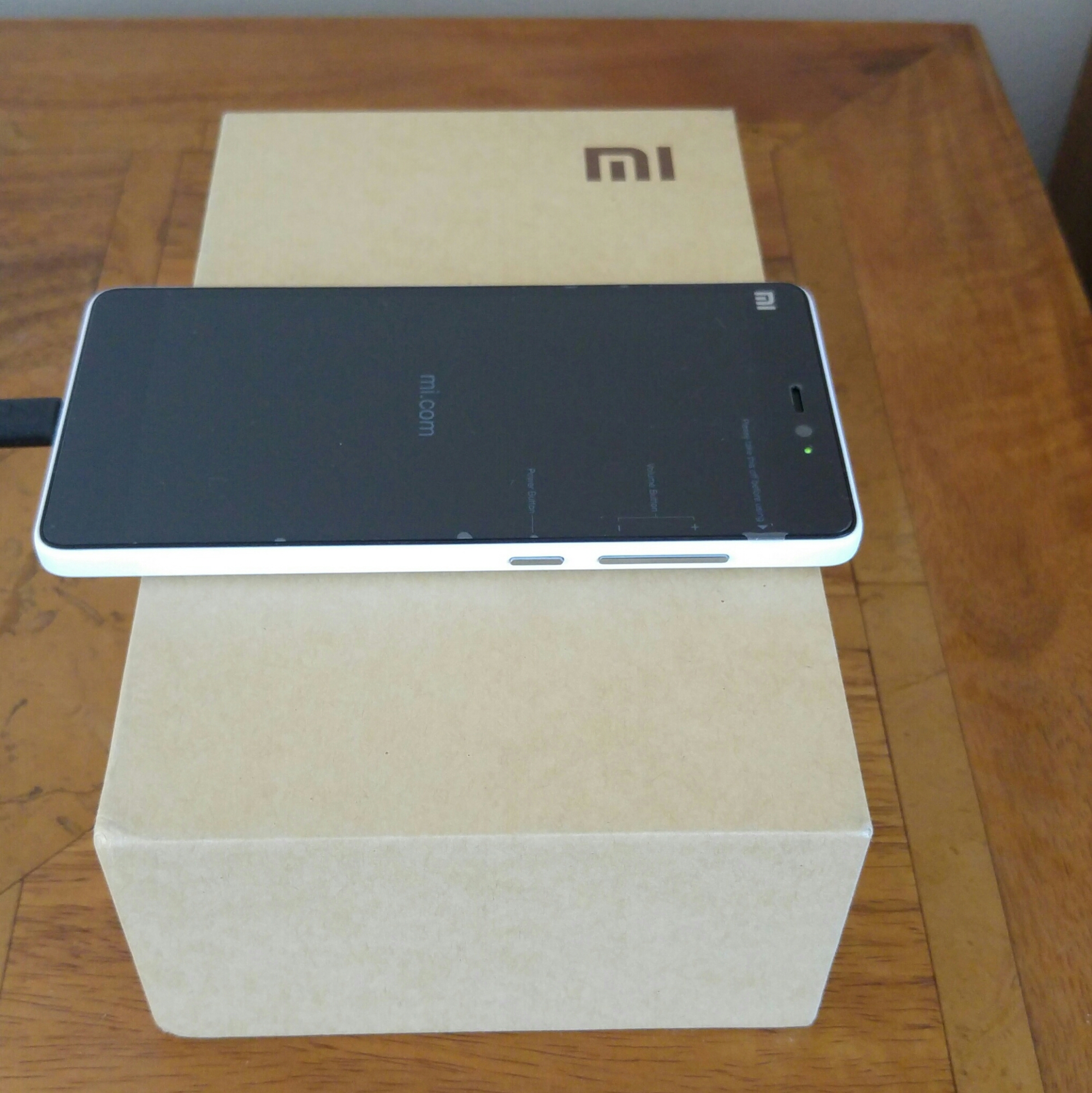
Apart from the Huawei P8, I also have a Xiaomi Mi 4i. Above and below are my current home screens.
I haven’t spent time theming or changing the wallpaper yet, as I just wanted to install my apps.
What do you notice? Google apps and services are already installed. I even got an over the air update. In fact I’m typing this on the Mi 4i as I also listen to Pocketcasts.
My full review will follow in a few weeks but initial observations are positive. Very good camera and headphone audio.
Below is a photo I took with the Mi 4i.
If you have any questions, please let me know so I can add them in my review.
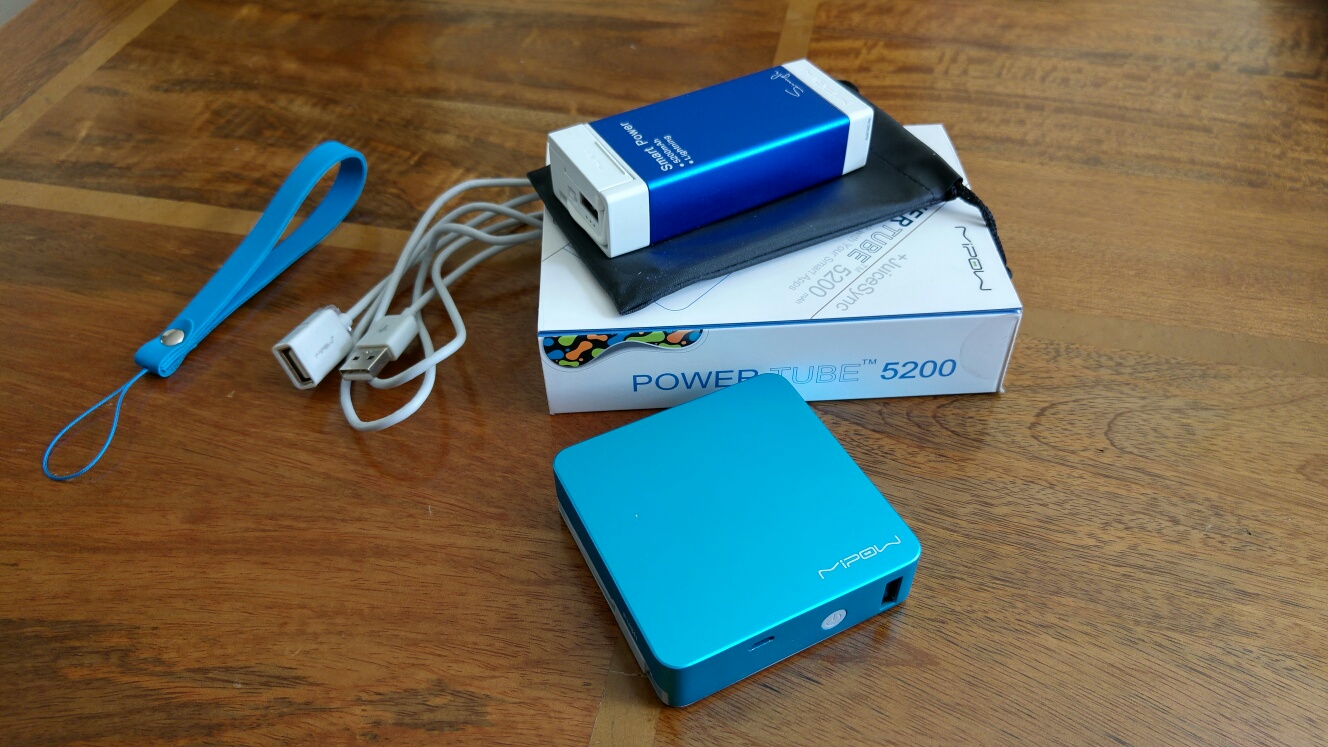
I mentioned earlier in the week, that I would review the power packs that I use to keep my devices charged. My wife uses an iPhone 5S and I have several phones on the go. Between us we both use Mipow Power pack options.
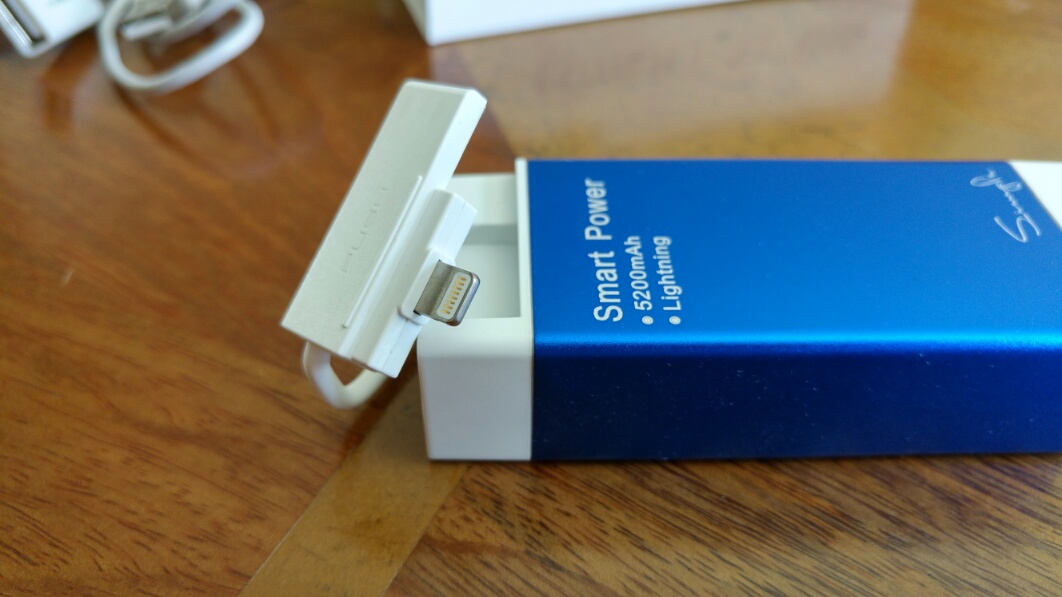
My wife uses the Mipow Power Tube 5200 for her iPhone 5S. The key features of this device are –
– Compact all-in-one design with 5200mA battery
– Built-in Lightning plug to directly charge iPhone 5, iPad (4th generation,) iPad mini, iPad touch – (5th generation,) iPod nano (7th generation)
– Built-in standard USB plug for recharging
– Extra USB socket is available to ensure its compatibility with most other devices via their original charging cable
– iPhone Companion app
There is also an iPhone companion app, screen shot below.
This is rather neat as it can show you the battery level and has options to sound a warning when it is at a low charge level (parameters options available), temp warnings and when it is out of range of your iPhone. The last option could be handy to ensure you don’t leave home without it!
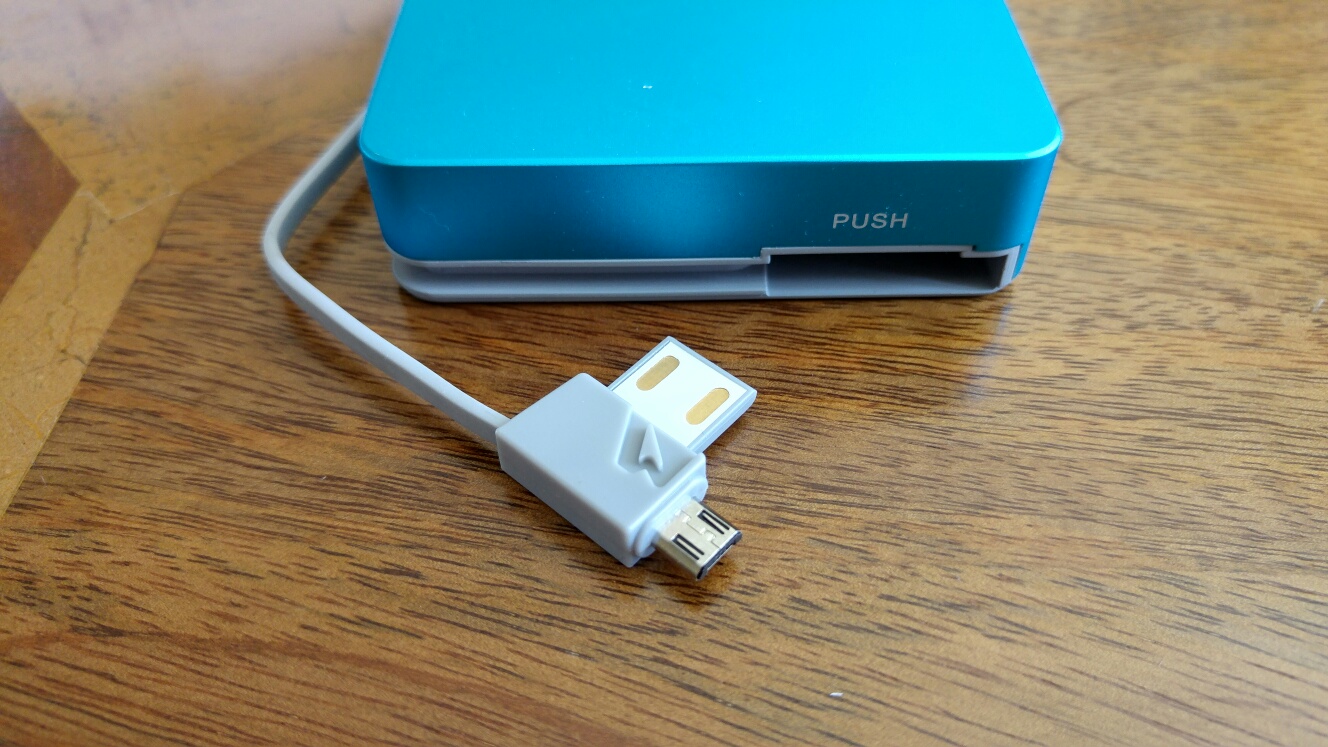
Part of my power needs is handled by the Mipow 5200M Portable Power Cube.
The features of this are –
– Charging cube with vast capacity (5200mA)
– Anodised aluminium alloy casing
– Extra USB output to support charging to most other devices via their original cable
– 2.1A output, support charging for two mobile devices at the same time
– Elastic pouch included to protect the luxury surface from scratches
Both of these Mipow Power packs include built in cables, lightning cable on one and micro USB on the other. Each built in cable also doubles up with USB plug as you can see from the photos so you can recharge the both power packs without hunting for a cable.
Mipow have a wide range of packs in different capacities and designs and were the “iF Design Award Winner in 2013”.
If you want to see the full range of Mipow Power Packs click the link below.










































 Gavin's Gadgets & Photography