Category Archives: Audio

Samsung Level One Pro Headphone review – Bluetooth Hi-Res Headphones

image

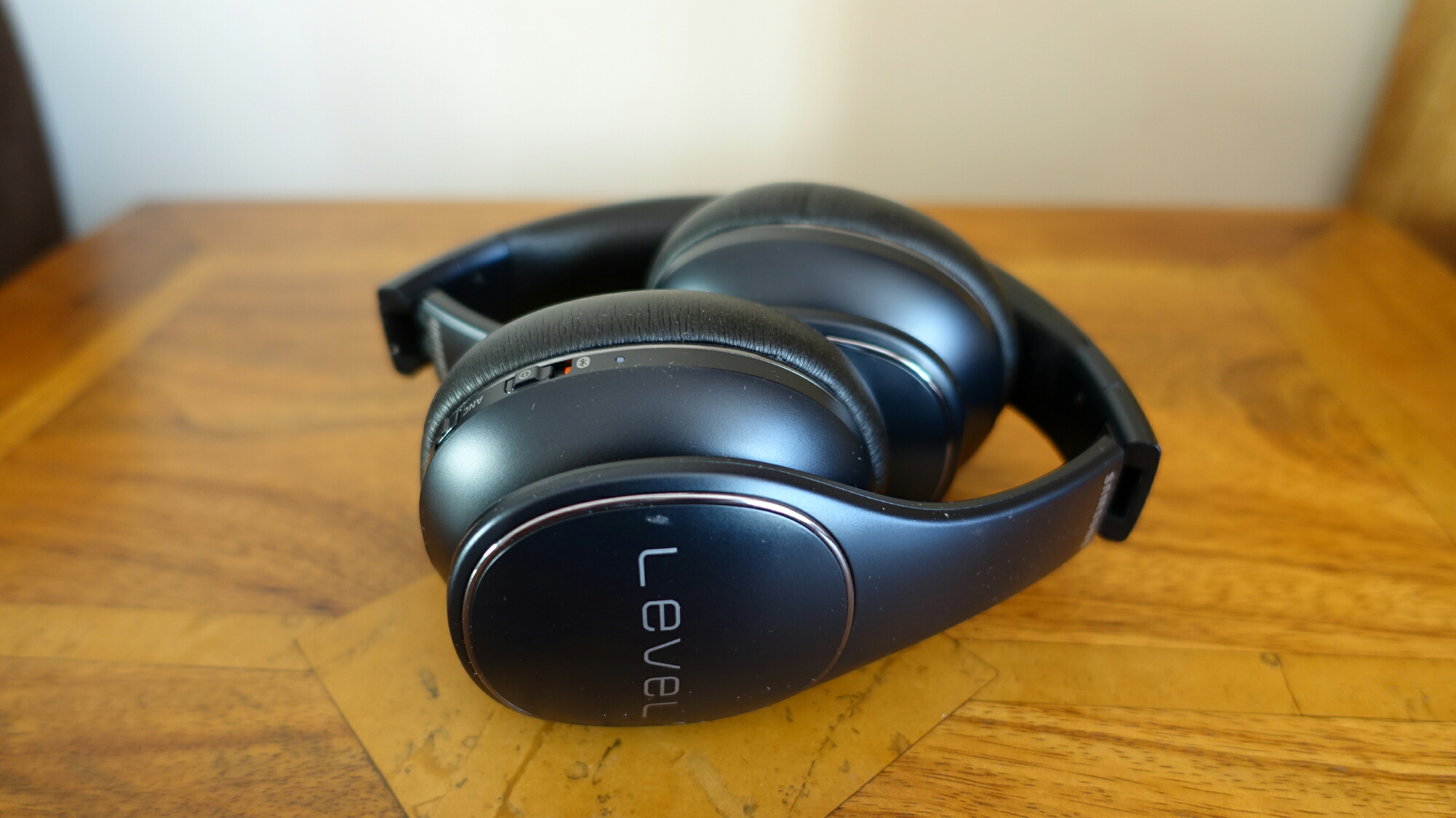
Welcome to my review of the Samsung Level One Pro Headphones.

The Level One Pro headphones are available in 2 colours, black and white and cost £230.
image

The Key Specifications

– Bluetooth 4.1
– A2DP, AVRCP, HSP, HFP
– Multipoint
– Bluetooth Smart Touch Control (Play/Pause, Song Movement, Volume Up/Down, Talk-In Mode(Listening ambient sound with music), Call Receiving, Call Rejection)
– 40mm Speakers with Dual-Layered Diaphragm(UHQ Audio Support)
– In the Box – Carrying Pouch, Audio Cable, micro USB Cable
– Up to 10 Hrs (Bluetooth Mode with ANC), Up to 20 Hrs (Bluetooth Mode without ANC), Up to 18 Hrs (Wired Mode with ANC), Unlimited Listening Time (Wired Mode without ANC)
– 161.9 x 184.6 x 74.1 mm
– 236 g
– UHQ-BT is compatible with selected devices starting from Galaxy S6 Edge+ and Galaxy Note5
– Sharing – The Level On Wireless Pro lets you stream your tunes to a friend via the unique Sound With Me function.

image

The Basics

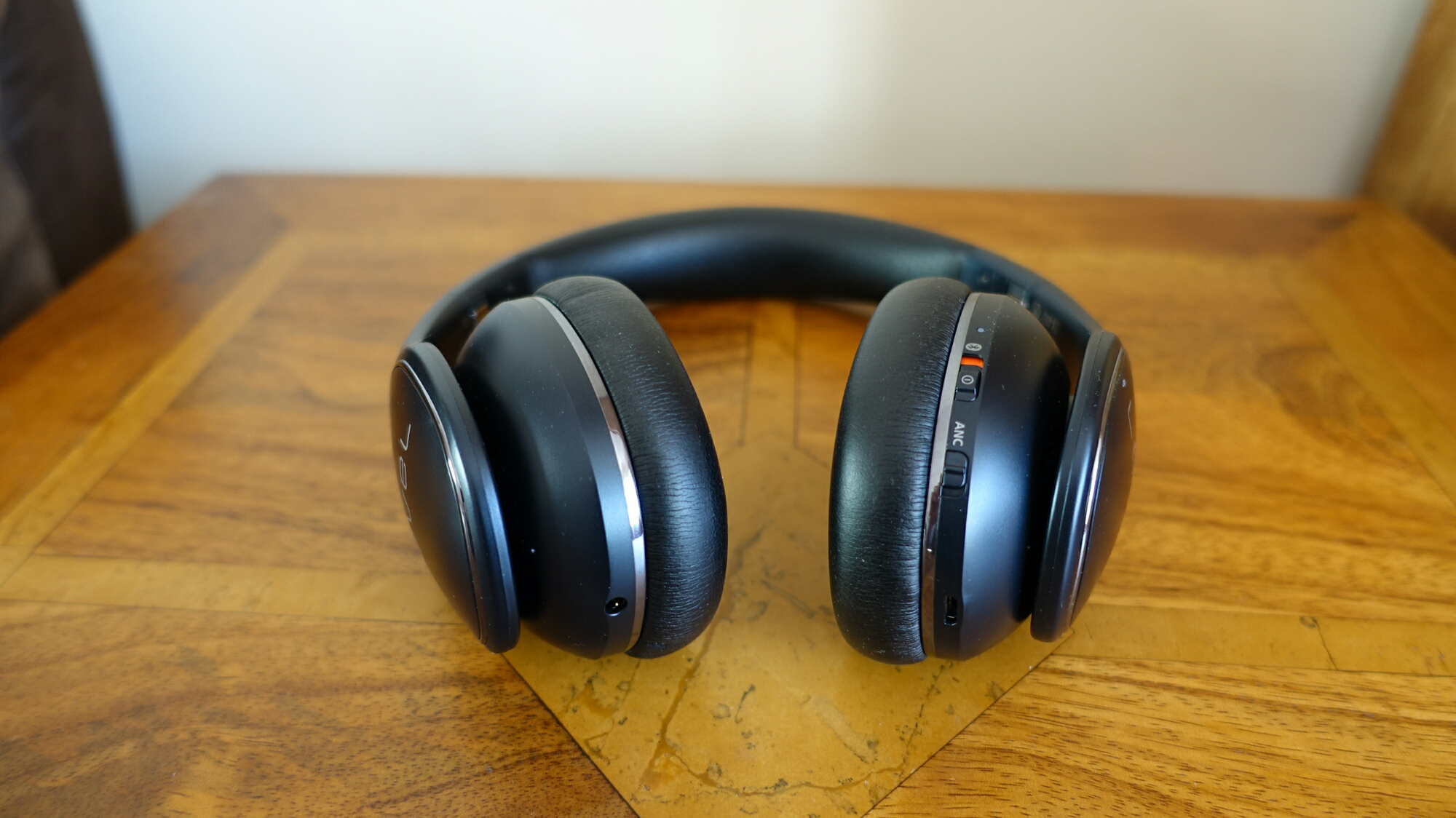
The Level On Wireless Pro provide studio-quality sound, Active Noise Cancellation using 4 built-in microphones, two on each earpiece and offer Hi-Res Bluetooth and Wired Hi-Res sound using Samsung’s UHQ codec. For this you need these headphones and a compatible Samsung phone. At the moment this includes the S6 Edge+, Note 5 and S7 and S7 Edge.

UHQ works at 96 khz/24 bit. CD quality is 44.1 kHz / 24 bit. If you have MP3’s at a lower bitrate the UHQ will upsample the tracks.

Operation is using the touchpad on the right headphone. Slide up and down for volume, left or right to skip tracks, tap to play/pause, press and hold middle for talk through. It really is a breeze to use.

Comfort. The Level One Pro are very comfortable to wear and for extended periods too. They fit on the ears.

The Sound Quality

The first thing that will strike you about these headphones is that they are not bass boom boxes. Samsung state these are studio headphones and they really are! These are the first bluetooth headphones I have used that provide Hi-Res Bluetooth sound. Does it make a difference. Yes it does. Does it beat a high quality wired setup. No. Does it get close. 85% close.

So as these are studio based headphones, they are rather flat in sound reproduction. They only reproduce what is available and accurately. So crap in, crap out.

Then Samsung add their Ultra High Quality audio codec that works at 96 kHz /24 bit. The Samsung Music app also upscales non hi-res tracks. You can switch this option on or off. With UHQ on you also gain the benefit of all the other sound alive features. This includes the equaliser, surround sound, tube amp pro (this simulates the soft timbre of a tube amplifier which I quite like) and concert hall. Samsung also feature adapt sound that performs a hearing test on each ear, which then in turn provides a custom music profile. This is really effective.

So what’s my verdict on the sound quality. These are good quality music headphones. I didn’t suffer fatigue. However, they are not always exciting to listen too. The other consideration is the extra bandwidth UHQ requires. If you start doing other activities on your phone, drop outs and glitches will occur occasionally using the UHQ. With UHQ turned off this doesn’t happen. This may mean a software update is required on the S7 to fix this but at the moment it is a consideration.

Another consideration is that as soon as you want to watch a YouTube video or something similar , you need to turn off UHQ, due to the fact peoples voices are out of sync.

My long term set of bluetooth headphones is the Plantronics BackBeat Pro. They have tons more bass and subwoofer type bass but with great mid and treble. At times you might think there is an earthquake happening whilst listening to these. They Plantronics are a lot heavier and larger. They don’t fold like the Level One Pro. However, if I gave both headphones to you to compare, most would choose the Plantronics. Far more fun and engaging. However, over an extended listening period, the Level One Pro would win as ear fatigue is minimal. Plus the sound is more accurately reproduced.

Conclusion

At the end of the day, as good as the Level One Pro headphones are, I just cannot enjoy listening to them, so sadly I cannot recommend them wholeheartedly. In addition the music drop outs and glitches are frustrating. For some people, the studio type sound will be perfect!
Atlas Cables – The new Atlas Cable Zeno review- Upgrade in Style

image

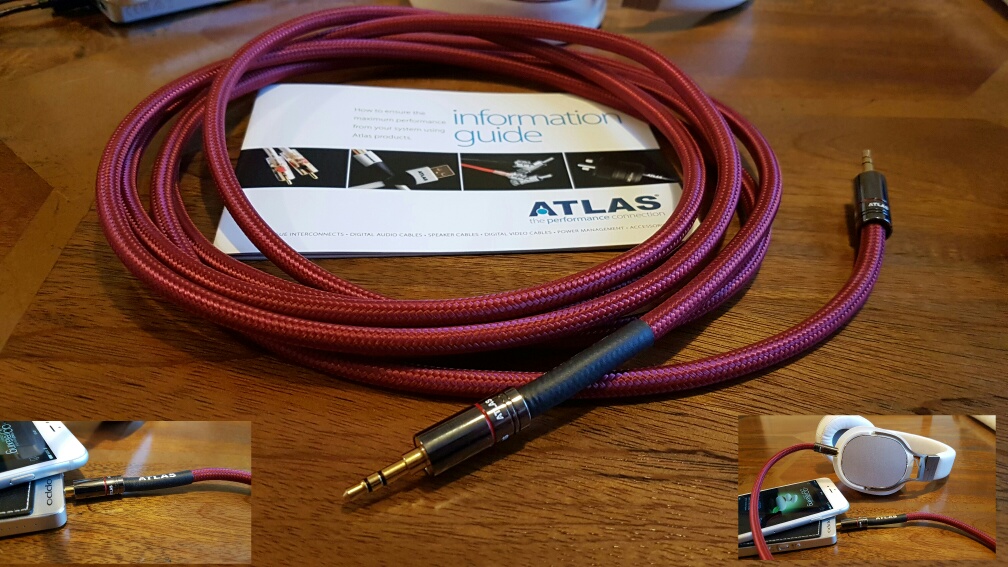
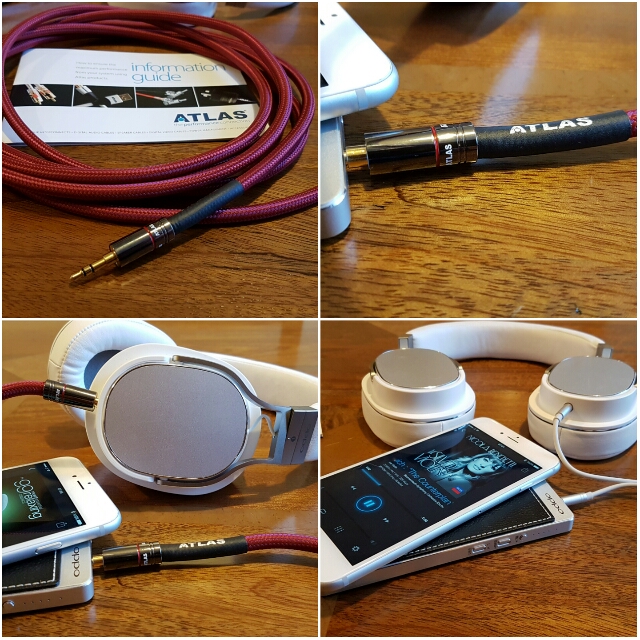
Atlas Cables are researched and designed in Scotland. Not only that, they are actually assembled by hand in Scotland. The new Zeno cable is assembled using ohno continuous cast copper conductors which are covered in fluorinated ethylene propylene low temperature deposition dielectric to protect the integrity of the ohno continuous copper material. This is then wrapped inside a protective soft PVC inner liner and finished with a tangle-free fabric outer jacket. Metik non-solder crimp plugs promises to provide signal consistency from socket to socket. If you look at the photos you can see how substantial the cable looks. 

Atlas Cables Zeno range is the new “high-performance” replacement headphone cable.  For my review, I decided to replace the standard headphone cable of the Oppo PM-3 headphones with Atlas Zeno. The cable comes in various lengths and different options are offered for the end terminations depending on what type of headphone connector you use for your specific headphones eg.  2.5mm, 3.5mm, 6.3mm and 4-pin XLR mini. I have a 3m length cable which costs £175. You can also get brand specific teminations eg  Sennheiser, OPPO, Sure, AKG, Audeze, AudioQuest, HiFiMan, Ultrasone and many more. 
image

Sound Quality

So the Atlas Zeno cable looks the business but does it sound the business?

Answer, yes it does. The difference is not night and day different and it also depends on the quality of the music file and amplification being used. I initially used my iPhone 6S Plus and Oppo HA-2. Then I tried several other amps/DAC combos as well as other phones including the Samsung Galaxy S7 Edge with the Oppo HA-2. 

My findings using it in a portable setup – the Atlas Zeno improved the sound stage and smoothed out the treble. Instruments became clearer. As I moved to FLAC recordings the before and after became more noticeable. A sort of veil lifted from the music. Moving to some dedicated audio equipment, and the Atlas Zeno became right at home. As a cable, it’s fairly bulky to be used on the move outdoors, but otherwise it’s ideal. At £175 for the 3m length this may seem expensive. However, if you are going to upgrade the loudspeaker cable there is no point doing it in half measures. 

Conclusion 

I beautifully built customisable cable which ensures you get the best possible sound delivery from your source to headphones. Recommended. 

Apple iPhone 6S Plus vs Samsung Galaxy S7 Edge – Sound Quality Comparison

This should be a simple test but actually it could be if I made it simple but I’m not going to do that.

I have some early impressions of the Samsung Galaxy S7 Edge audio quality using the speaker, headphone jack, bluetooth and USB Audio. However, before I give it my opinion I also want to test third Party apps being like Poweramp and USB Audio Player Pro as well as the default music apps on the phone.

For the Apple iPhone 6S Plus I will be using Onkyo HF Player, Audio Gate Player and Neutron Music Player apps. I will also be testing the sound quality via the loudspeaker, bluetooth and USB Audio.

Equipment. Headphones will include a selection of in ear, bluetooth and wired over the ears. In my review I will list all the headphones used. I will also be using a number of portable DACS, Oppo HA-2, Fiio Q1 and iBasso D-Zero MK2.

If there is anything you would like to know, let me know and I will try and answer it in my sound quality review between the two phones.

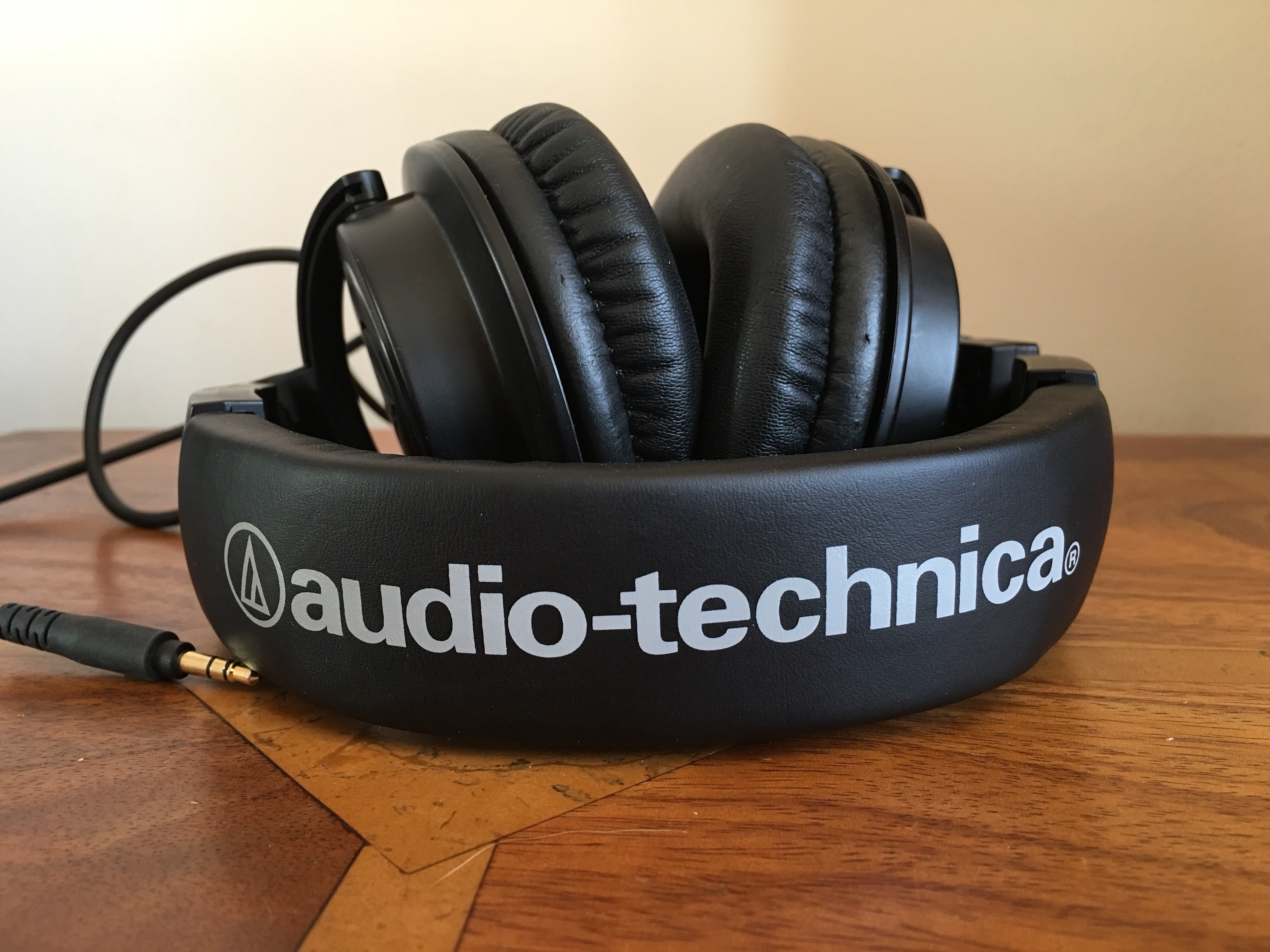
Audio Technica ATH-M50x Headphones – review 

Welcome to my review of the Audio Technica ATH-M50x headphones. 


The Key Specifications 

– Type – Closed-back dynamic

– Driver Diameter 45 mm

– Magnet Neodymium

– Voice Coil CCAW (Copper-clad aluminum wire)

– Frequency Response 15 – 28,000 Hz

– Maximum Input Power 1,600 mW at 1 kHz

– Sensitivity 99 dB

– Impedance 38 ohms

– Weight 285 g (10 oz), without cable and connector

– Cable Interchangeable cables: detachable 1.2 m – 3.0 m (3.9′ – 9.8′) coiled cable, detachable 3.0 m (9.8′) straight cable and detachable 1.2 m (3.9′) straight cable

– Accessories Included – Protective carrying pouch, 6.3 mm (1/4″) screw-on adapter

The Hardware

The Audio Technica ATH-M50x have over 900 5 star reviews on Amazon UK. That should leave you in no doubt these are fantastic headphones for £120. They are also critically acclaimed for their sonic performance by top audio engineers and pro audio reviewers. They feature a proprietary 45 mm large-aperture drivers with rare earth magnets and copper-clad aluminum wire voice coils, professional-grade earpad and headband material for more durability and comfort. Circumaural design contours around the ears for good sound isolation in loud environments. They come with 3 detachable cables too and fold as shown in the photos. The three cables include a 3m long straight cable , a short 1.2m straight cable (ideal for connecting to a smartphone, and a medium-length coiled cable. The cables insert-and-turn locking system secures the cable to the left cup. The ear cups rotate flat as well. Surely there must be a catch if they only cost £120. And there is. The overall construction feel a little plasticly. But that is the only negative.

The Sound Quality and Audio Experience

Audio Technica claim these headphones have an exceptional clarity throughout an extended frequency range, with deep, accurate bass response. When I first listened to these headphones I did not agree with that statement. But after 50 hours burn in, make no mistake these headphones are superb and really come alive. They can be powered directly from your smartphone, but I would recommend using them with a portable amp/dac to being out the best from these headphones. Highs are crisp, but not overly bright, mids are pleasant and precise and the bass is punchy, fast and tight. Also as these are a closed back design, music listening is private. In terms of genres, these headphones work well across everything I have thrown at them.

Conclusion

For the money these are exceptionally sounding headphones. They do need over 50 hours burn in before they sound near their true potential. My M50x’s have had circa 400 hours of music played through them and really sound fantastic now. Highly recommended.

More info and deal on Audio-Technica ATH-M50X Studio Monitor Professional Headphones

More info and deals at Amazon US – Click HERE

Fiio Q1 Portable DAC and Headphone Amplifier – review

Welcome to my review of the Fiio Q1 Portable DAC and Headphone amplifier.

  
The Key Specifications

– Weight 100 g
– Dimensions 97mm x 56mm x 13.1mm
– Audio Input Micro USB/3.5 mm Jack
– Headphone output 3.5 mm stereo jack
– Volume Control TOCOS Potentiometer
– Bass Boost Switch
– Recommended Headphne Impedance 16~150 Ω (Recommended)
– Power Input DC5V 1A recommended
– Battery Capacity 1400 mph, Battery Life >30 h
– Output Power >190 mW (32 Ω/THD+N<1%),>75 mW (150 Ω/THD+N<1%) Charge Time ≤ 4 h
– THD+N <0.005% (1 kHz), Output Impedance < 0.3 Ω
– Frequency Response 20 Hz~20 kHz
– SNR ≥107 dB
– Input Sensitivity 4.3 V (GAIN=L),1.5 V (GAIN=H) Max Input Level >4 Vrms
– Crosstalk ≥75dB(1 kHz) Channel Imbalance 0.2 dB
– Gain AUX IN:-7dB/4.5dB
– USB IN:-3.5dB/8dB
– Bass Adjustment Range 0/5dB
– MAX output voltage 7.2 Vp-p, MAX Output Current >75 mA


The Hardware

The Fiio Q1 costs £59.99. And for £59.99 you get a beautifully constructed brushed aluminium AMP/DAC. Comparing this to the iBasso D-Zero MK2 that I reviewed recently, the fit and finish on the Q1 is streaks ahead. Inside the box you get a micro USB cable, a tiny right angle 3.5mm to 3.5mm cable, a silicone mat to stop the device scratching when stacked. The Q1 has a 1,400mAh battery that provides 15 hours of playback.

The Audio Quality and Sound Experience

The Q1 uses a Texas Instruments PCM5102 DAC chip and a Maxim MAX 97220 for amp section. This means 24/95k decoding is possible from most codecs delivering around 190mW load into 32ohms. OTG support as a DAC is not officially supported but does work using apps like Onkyo and USB Player Pro. Using the usb camera connection adapter from Apple, I was able to use the Q1 with my iPhone 6S Plus. Another benefit for me is that because it uses micro USB, I can use my special red coloured Lavri Lightning Camera Connection Cable (shown in photos under official Apple CCK). The sound produced by the Q1 is fairly neutral with some warmth. Treble is slightly bright but not too bright. The Q1 also has a bass boost button which is ideal for some bass lacking headphones. Even if your headphones have decent bass, sometimes the bass boost can provide a slightly lift that adds some drama to the music. Fiio recommend headphones up to 150 ohms. I would say that is fairly accurate but again if you use 100 ohm or lower headphones you will gain some more benefit from this little baby.

Comparing the Q1 to the iBasso d-zero MK2 that I reviewed last week, the Q1 is better built and looks classier but when it comes to the music in my opinion the iBasso is another league. This becomes more apparent the longer you listen to the iBasso. However bear in mind the cost difference. The Fiio Q1 costs £59 and the iBasso D-zero MK2 is £99. 

Conclusion

Say again, just £60 for this little amp/dac from Fiio. The Fiio Q1 pound for pound offers amazing value. Sure its not as refined as some £100-£500 devices but for most people this will be good enough to get them enjoying their music that little bit better than before.

More info and deals on FiiO Q1 DAC and Headphone Amplifier

More info and deals at Amazon US

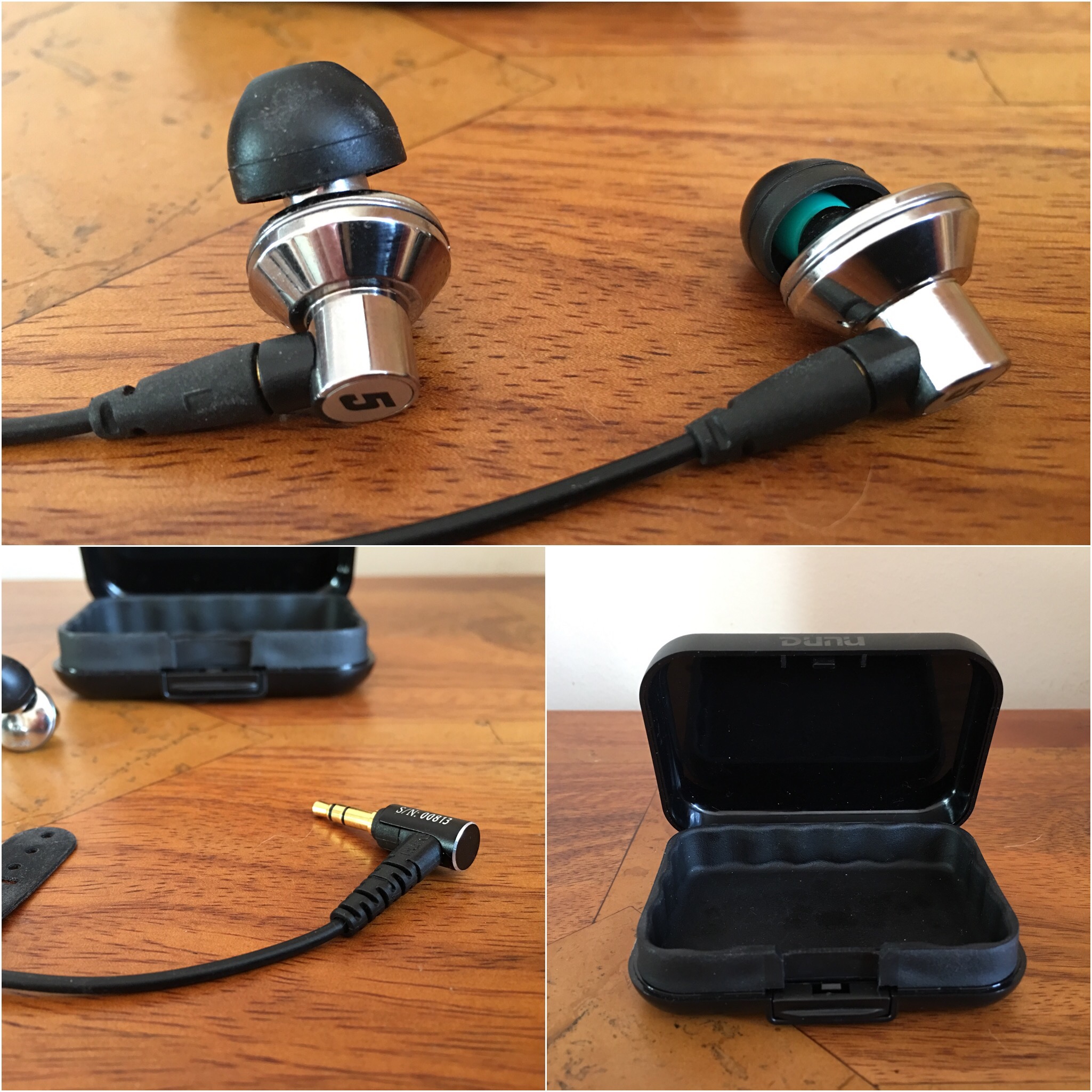
Dunu Titan 5 – Hi-Res In Ear Headphones – Review

Welcome to my review of the Dunu Titan 5 in ear headphones. 


The Key Specifications

– Driver: 13mm titanium coated dynamic

– Frequency Response: 10Hz-40KHz

– SPL: 108±2dB

– Impedance: 32Ω

– Plug: 3.5mm Gold-plated L-plug

– Cord Length: 1.2m

– Weight: 24g

The Hardware

The Dunu Titan 5 have been awarded the official Hi-Res badge. That means they cover the required audio frequency to be given the Hi-Res badge. In the box you get a huge choice and types of tips. There are also ear stabilisers that position these in ear headphones perfectly inside your ear and in turn remove a lot of discomfort as the weight is evenly distributed. These aren’t cheap headphones at around £110. However the cables are detachable and therefore also replaceable should you need to connect a new cable.  The ‘Hi-Res Audio’ certified Titan 5 earphone utilizes a wide 13mm titanium diaphragm, with high power handling and a dynamic driver to provide exceptional clarity, fully defined vocals and accurate imaging.

The Audio Quality & Experience

As I mentioned these are Hi-Res headphones. And as a consequence they are capable of astonishing levels of fidelity. If you connect them directly to a smartphone they will sound fantastic. But introduce a cheap portable amp/DAC and they will explode up a notch. And guess what. Connect £500 worth of amp/DAC and these headphones are nuts good. I will stress a £60 DAC/amp is enough to give these a leap forward. 

The Dunu Titan 5 are similar to the Titan 3’s except with one main difference. The Titan 5 have been tuned to provide a deeper bass. Add that to the wide frequency response, wide soundstage and clarity of the treble and mid range and what you have is one of the best in ear headphones I have heard sub £500.  The music reproduction is detailed and precise with a wide and natural soundstage and life-like imaging. The mid range presentation is on the warmer front.

At times it’s like have a subwoofer with tracks. It’s not an earthquake it’s the Dunu Titan 5! 

The power and bass depth at times is mental but never to the detriment of the music. However, if you prefer more neutral headphones the Dunu Titan 3 probably a better choice for you. is. But having heard both, the Titan 5 are more fun and musical in my opinion, but still with amazing clarity and dynamics.

Conclusion 

My favourite in ear headphone. Period. Capable of delivering amazing audio quality and enjoyment.  Highly recommended!!!! 

More info and deal on the Dunu DN-Titan5 Hi-Res Audio In-Ear Earphones at Amazon UK

More info and deals on Dunu Headphones at Amazon US – Click HERE

Sennheiser HD598se Headphones – review

Welcome to my review of the Sennheiser HD598se headphones. 


The Key Specifications 

Coupling Around-Ear Around

– Transducer Principle Open Back 

– Impedance 50 Ω

– Frequency Response 12 – 38,500 Hz 

– Sound Pressure Level (SPL) 112 dB (1kHz / 1Vrms) 

– Total Harmonic Distortion (THD) <0.1% (1kHz, 100dB) 

– Weight (with cable) 315 g

– In the Box HD 598 Special Edition headphone / Cable 1: 3m copper cable (OFC) / 6.3mm straight plug / Cable 2: 1.2m audio cable 

The Hardware

These are a premium, audiophile-grade over-ear, open back headphones by Sennheiser. The headband is padded and the ear pads and covered in a luxurious velour. You can listen to these headphones for as long as you like. They are extremely comfortable!! Two cable options are provided a 3m and 1.2m included along with 3.5mm adapter plug. The difference between the Special Edition and standard HD598 is the Special Edition come only in black and include the 1.2m cable terminated with a 3.5mm plug for portable devices and smartphones. These headphones do not fold. Sennheiser uses their own engineered transducers that use aluminium voice coils to deliver high efficiency, excellent dynamics and low distortion. Also note that as these are open back headphones, sound pours out of these. So not ideal unless using in private.

The Audio Quality and Sound Experience

Whilst you can connect these and play sound straight from your smartphone, that will be a complete travesty as these open back premium headphones from Sennheiser are magical. First I recommend a burn in of 100 hours minimum. Next if you do use a phone as your source, make sure you have a Chord Mojo, or Oppo HA-2 as a minimum to power these headphones. Better still spend £1,000 on a decent DAC/Amp and get transported into a different world as you listen to your music. The sound stage is HUGE. Layering, voices and instruments are all finely placed. Bass is fast and impactful dependent on the track you are listening too. These are my selfish headphones. Headphones I use when I want to hear my music properly. I say selfish, as everybody else in the room can hear exactly what I am listening too as well.

Conclusion

At under £200 these headphones are brilliant. Ideal for all genres. But they most be powered by a reasonable amp/dac to bring out the best in these superb headphones from Sennheisers. Highly recommended.

More info and deals on Sennheiser HD598 Special Edition Over-Ear Headphones – Black at Amazon UK

Special deal for US Readers at Amazon US – Click HERE

iBasso D-Zero MK2 – Portable DAC & Headphone Amplifier – Review

Welcome to my review of the iBasso D-Zero MK2 Portable DAC and Headphone Amplifier.


The Key Specifications

– Power Source:Built-in 4.2V Li-polymer battery
– Frequency Response: 17Hz~20 KHz +/- 1.0dB (DAC) 17Hz~100 KHz +/- 1.0dB (AMP)
– Signal to Noise Ratio:108dB (DAC line out), 102dB (Amp)
– Total Harmonic Distortion: 0.002%@1kHz/0dB (DAC line out), 0.003%@1kHz/-10dBV (AMP)
– Output Power:Up to 120mW+120mW into 16Ω
– Output Impedance: <0.5ohm
– Gain: +3dB/ +9dB (AMP)
– Battery Life: 120 Hours (AMP) 10 hours (DAC/AMP)
– Battery Charge Time: 5 Hours
– External Power supply: 5V DC
– Recommended Headphone Impedance: 8~300Ω
– Case dimension: 2.17W x 3.98L x 0.44H (inch)
– 55W x 101L x 11H (mm)
– Weight: 95g or 3.35oz
– Certificates: FCC, CE, RoHS


The Hardware

The iBasso D-Zero MK2 is made from an anodised aluminium housing. The front of the device features a headphone jack, aux jack, power switch with white LED and a volume controller. On the back there’s a USB output for charging the D-Zero and for connecting it to a computer, a gain switch and a USB charge switch. There’s also two LEDs a red one to indicate charging which also blinks to let you know when to charge it and an orange one to indicate USB connection. The unit features a built in battery that provides up to 120 hours play time when working as an AMP and 10 hours when used as a DAC. The D-Zero can be used with Windows PCs MAC computers OTG audio signal from an Android 4.1 or above device and the digital signal from iPhone/iPad with camera kit. The VIA Vinyl Envy USB 2.0 audio controller takes a digital signal up to 24Bit/96kHz. The DAC chipset used in the D-Zero is a Dual setup of Wolfson WM8740 DAC Chips. The OPAMP+BUF design ensures high current output allowing you to use the D-Zero with high impedence headphones.

The build quality is not as precision made as I would have expected. If you look at the mini USB socket it doesn’t quite line up exactly with the hole cut out in the aluminium body. Also why mini USB? Surely micro USB should have been used. Next the power switch looks like a  flimsy toggle. Overall, it just feels as if the component was finished by hand. That aside I do actually like the industrial look. It’s also a great compact size with flat sides for each mounting to a phone to DAP. iBasso do supply a large range of accessories with the D-Zero MK2 as shown in the photos. 

The Audio Quality and Sound Experience

Thankfully, the iBasso D-Zero MK2 sounds rather good. The Woolfson WM8740 DAC Chips have a lovely warmth to them. The D-Zero MK2 adds more bass punch to the music, with warm mids and a clearer treble. This DAC/AMP combo is musical and provides a more dynamic feel to the music. I tried several headphones and even though iBasso say this will power 300 ohm headphones, I would stick to around a max of 150 ohms to get the most out of this little black box of tricks. My Audio Technica ATH-M50x in particular paired really well with this AMP/DAC. Listening to some classical music the iBasso scaled up as the drama escalated and thumped out some very deep bass only when it was present and very quickly. What I have also found is that the iBasso sounds better after its had a 10-15 minute warm up. As a comparison I have the Fiio Q1 as well. The iBasso sounds much better than the Q1 but then it costs nearly twice as much. 

Conclusion

Priced at just under £100, the iBasso D-Zero MK2 is a great little performer with a tendency to add some warmth and impact to the music. The extra power from the amp also helps the headphones deliver a more dynamic performance. I just wish it used a micro USB connector instead of mini USB. 

More info and deals on the iBasso D-Zero Mk2 Headphone AMP and USB DAC

Sony XBA-1 – In ear headphones – review 

Welcome to my review of the Sony XBA-1 in ear headphones. 


The Key Specifications 

– Type Closed, Balanced Armature
– Driver Unit Balanced Armature

– Sensitivity 108dB (150mV)

– Power Handling Capacity 100mW

– Impedance 24ohms at 1kHz

– Frequency Response 5-25,000Hz

– Cord OFC litz cord neck-chain

– Cord Length 1.2m

 – Plug Gold-plated L-shaped stereo mini plug

– Weight (Without Cord) Approx. 3g

– Supplied Accessories Hybrid silicone rubber earbuds* (SSx2, Sx2, Mx2, Lx2), Noise isolation earbuds** (Sx2, Mx2, Lx2), Cord Adjuster (winds cord up to 50cm) x 1, Carrying Pouch x 1

* Hybrid silicone rubber earbuds (SS (Red) x 2, S (Orange) x 2, M (Green – attached to the unit) x 2, L (Light Blue) x 2)

** Noise isolation earbuds (S (Orange) x 2, M (Green) x 2, L (Light Blue) x 2)

The Audio Quality & Experience 

The Sony XBA-1 in ear headphones are known to lack bass. That statement is definitely true if you don’t use a £300-£500 DAC/Amp as a minimum to drive them. If you plug these into your smartphone directly they sound fairly neutral and lacking bass. I really didn’t enjoy the sound from these from the start. 

However after plugging these into the Pioneer XDP-100R Digital Audio Player these headphones came alive. They suddenly have the ability to deliver loads of bass but strictly only when the bass is present on the track. The mids and especially the treble are able to reproduce some fairly clear sounds with a splash of warm in their sound signature. The soundstage is not expansive. This is likely due to the closed headphone design.

Due to EC regulations new headphones sold in the Europe have the maximum volume level capped to protect your ears. I bought these from a Sony Centre who were clearing old stock for about £45. As these headphones were made prior to the changes you can reach decent volumes. 

Conclusion

These sound signature of these headphones will not be welcome by many and probably because they are not being driven by decent hardware. With the correct quality hardware powering these they truly are splendid to listen too. Not recommended for general use.

Info on Sony XBA full range of headphones

All Latest Reviews from Gavin’s Gadgets – Phones, Headphones, Apps, Cameras and More

Below are all latest reviews that have published on Gavin’s Gadgets. There are plenty more reviews in the pipeline including the Samsung Galaxy S7, LG G5, new headphones, app reviews, Netatmo Welcome, Netatmo Wind Sensor, and much much more.

If you have a product that you would like me to review, please get in touch.

App Reviews

ProCamera + HDR for iOS – review

Note Tapper for Apple Watch – review

HeartWatch for iOS – review

HeartWatch 2 for iOS – review

Audio / Personal HiFi / Headphone reviews

Pioneer XDP-100R – DAP – review

iBasso DX80 plus using with Chord Mojo – review

Chord Mojo – review

Lindy BNX-60 – Bluetooth Headphones review

Ted Baker Rockall Headphones – review

Sony MDR-1RNC – Noise Cancelling headphones – review

Tascam Trackpad US 2×2 – Review

Connected / Security devices- Reviews

Fake TV – review

miGuard A105 DIY Security System review

The new Apple TV – review

The Apple Watch – One Month Review

Smartphone / iPad Pro – reviews

Asus Zenfone Zoom – review

LG V10 H960 – review

Sony Xperia Z5 Compact – review

Apple iPad Pro, Smart Keyboard, Pencil – review

Motorola Moto X Style – review

Huawei G8 – review