Tag Archives: Review

Dunu Titan 5 – Hi-Res In Ear Headphones – Review

Welcome to my review of the Dunu Titan 5 in ear headphones. 


The Key Specifications

– Driver: 13mm titanium coated dynamic

– Frequency Response: 10Hz-40KHz

– SPL: 108±2dB

– Impedance: 32Ω

– Plug: 3.5mm Gold-plated L-plug

– Cord Length: 1.2m

– Weight: 24g

The Hardware

The Dunu Titan 5 have been awarded the official Hi-Res badge. That means they cover the required audio frequency to be given the Hi-Res badge. In the box you get a huge choice and types of tips. There are also ear stabilisers that position these in ear headphones perfectly inside your ear and in turn remove a lot of discomfort as the weight is evenly distributed. These aren’t cheap headphones at around £110. However the cables are detachable and therefore also replaceable should you need to connect a new cable.  The ‘Hi-Res Audio’ certified Titan 5 earphone utilizes a wide 13mm titanium diaphragm, with high power handling and a dynamic driver to provide exceptional clarity, fully defined vocals and accurate imaging.

The Audio Quality & Experience

As I mentioned these are Hi-Res headphones. And as a consequence they are capable of astonishing levels of fidelity. If you connect them directly to a smartphone they will sound fantastic. But introduce a cheap portable amp/DAC and they will explode up a notch. And guess what. Connect £500 worth of amp/DAC and these headphones are nuts good. I will stress a £60 DAC/amp is enough to give these a leap forward. 

The Dunu Titan 5 are similar to the Titan 3’s except with one main difference. The Titan 5 have been tuned to provide a deeper bass. Add that to the wide frequency response, wide soundstage and clarity of the treble and mid range and what you have is one of the best in ear headphones I have heard sub £500.  The music reproduction is detailed and precise with a wide and natural soundstage and life-like imaging. The mid range presentation is on the warmer front.

At times it’s like have a subwoofer with tracks. It’s not an earthquake it’s the Dunu Titan 5! 

The power and bass depth at times is mental but never to the detriment of the music. However, if you prefer more neutral headphones the Dunu Titan 3 probably a better choice for you. is. But having heard both, the Titan 5 are more fun and musical in my opinion, but still with amazing clarity and dynamics.

Conclusion 

My favourite in ear headphone. Period. Capable of delivering amazing audio quality and enjoyment.  Highly recommended!!!! 

More info and deal on the Dunu DN-Titan5 Hi-Res Audio In-Ear Earphones at Amazon UK

More info and deals on Dunu Headphones at Amazon US – Click HERE

Sennheiser HD598se Headphones – review

Welcome to my review of the Sennheiser HD598se headphones. 


The Key Specifications 

Coupling Around-Ear Around

– Transducer Principle Open Back 

– Impedance 50 Ω

– Frequency Response 12 – 38,500 Hz 

– Sound Pressure Level (SPL) 112 dB (1kHz / 1Vrms) 

– Total Harmonic Distortion (THD) <0.1% (1kHz, 100dB) 

– Weight (with cable) 315 g

– In the Box HD 598 Special Edition headphone / Cable 1: 3m copper cable (OFC) / 6.3mm straight plug / Cable 2: 1.2m audio cable 

The Hardware

These are a premium, audiophile-grade over-ear, open back headphones by Sennheiser. The headband is padded and the ear pads and covered in a luxurious velour. You can listen to these headphones for as long as you like. They are extremely comfortable!! Two cable options are provided a 3m and 1.2m included along with 3.5mm adapter plug. The difference between the Special Edition and standard HD598 is the Special Edition come only in black and include the 1.2m cable terminated with a 3.5mm plug for portable devices and smartphones. These headphones do not fold. Sennheiser uses their own engineered transducers that use aluminium voice coils to deliver high efficiency, excellent dynamics and low distortion. Also note that as these are open back headphones, sound pours out of these. So not ideal unless using in private.

The Audio Quality and Sound Experience

Whilst you can connect these and play sound straight from your smartphone, that will be a complete travesty as these open back premium headphones from Sennheiser are magical. First I recommend a burn in of 100 hours minimum. Next if you do use a phone as your source, make sure you have a Chord Mojo, or Oppo HA-2 as a minimum to power these headphones. Better still spend £1,000 on a decent DAC/Amp and get transported into a different world as you listen to your music. The sound stage is HUGE. Layering, voices and instruments are all finely placed. Bass is fast and impactful dependent on the track you are listening too. These are my selfish headphones. Headphones I use when I want to hear my music properly. I say selfish, as everybody else in the room can hear exactly what I am listening too as well.

Conclusion

At under £200 these headphones are brilliant. Ideal for all genres. But they most be powered by a reasonable amp/dac to bring out the best in these superb headphones from Sennheisers. Highly recommended.

More info and deals on Sennheiser HD598 Special Edition Over-Ear Headphones – Black at Amazon UK

Special deal for US Readers at Amazon US – Click HERE

iBasso D-Zero MK2 – Portable DAC & Headphone Amplifier – Review

Welcome to my review of the iBasso D-Zero MK2 Portable DAC and Headphone Amplifier.


The Key Specifications

– Power Source:Built-in 4.2V Li-polymer battery
– Frequency Response: 17Hz~20 KHz +/- 1.0dB (DAC) 17Hz~100 KHz +/- 1.0dB (AMP)
– Signal to Noise Ratio:108dB (DAC line out), 102dB (Amp)
– Total Harmonic Distortion: 0.002%@1kHz/0dB (DAC line out), 0.003%@1kHz/-10dBV (AMP)
– Output Power:Up to 120mW+120mW into 16Ω
– Output Impedance: <0.5ohm
– Gain: +3dB/ +9dB (AMP)
– Battery Life: 120 Hours (AMP) 10 hours (DAC/AMP)
– Battery Charge Time: 5 Hours
– External Power supply: 5V DC
– Recommended Headphone Impedance: 8~300Ω
– Case dimension: 2.17W x 3.98L x 0.44H (inch)
– 55W x 101L x 11H (mm)
– Weight: 95g or 3.35oz
– Certificates: FCC, CE, RoHS


The Hardware

The iBasso D-Zero MK2 is made from an anodised aluminium housing. The front of the device features a headphone jack, aux jack, power switch with white LED and a volume controller. On the back there’s a USB output for charging the D-Zero and for connecting it to a computer, a gain switch and a USB charge switch. There’s also two LEDs a red one to indicate charging which also blinks to let you know when to charge it and an orange one to indicate USB connection. The unit features a built in battery that provides up to 120 hours play time when working as an AMP and 10 hours when used as a DAC. The D-Zero can be used with Windows PCs MAC computers OTG audio signal from an Android 4.1 or above device and the digital signal from iPhone/iPad with camera kit. The VIA Vinyl Envy USB 2.0 audio controller takes a digital signal up to 24Bit/96kHz. The DAC chipset used in the D-Zero is a Dual setup of Wolfson WM8740 DAC Chips. The OPAMP+BUF design ensures high current output allowing you to use the D-Zero with high impedence headphones.

The build quality is not as precision made as I would have expected. If you look at the mini USB socket it doesn’t quite line up exactly with the hole cut out in the aluminium body. Also why mini USB? Surely micro USB should have been used. Next the power switch looks like a  flimsy toggle. Overall, it just feels as if the component was finished by hand. That aside I do actually like the industrial look. It’s also a great compact size with flat sides for each mounting to a phone to DAP. iBasso do supply a large range of accessories with the D-Zero MK2 as shown in the photos. 

The Audio Quality and Sound Experience

Thankfully, the iBasso D-Zero MK2 sounds rather good. The Woolfson WM8740 DAC Chips have a lovely warmth to them. The D-Zero MK2 adds more bass punch to the music, with warm mids and a clearer treble. This DAC/AMP combo is musical and provides a more dynamic feel to the music. I tried several headphones and even though iBasso say this will power 300 ohm headphones, I would stick to around a max of 150 ohms to get the most out of this little black box of tricks. My Audio Technica ATH-M50x in particular paired really well with this AMP/DAC. Listening to some classical music the iBasso scaled up as the drama escalated and thumped out some very deep bass only when it was present and very quickly. What I have also found is that the iBasso sounds better after its had a 10-15 minute warm up. As a comparison I have the Fiio Q1 as well. The iBasso sounds much better than the Q1 but then it costs nearly twice as much. 

Conclusion

Priced at just under £100, the iBasso D-Zero MK2 is a great little performer with a tendency to add some warmth and impact to the music. The extra power from the amp also helps the headphones deliver a more dynamic performance. I just wish it used a micro USB connector instead of mini USB. 

More info and deals on the iBasso D-Zero Mk2 Headphone AMP and USB DAC

Sony XBA-1 – In ear headphones – review 

Welcome to my review of the Sony XBA-1 in ear headphones. 


The Key Specifications 

– Type Closed, Balanced Armature
– Driver Unit Balanced Armature

– Sensitivity 108dB (150mV)

– Power Handling Capacity 100mW

– Impedance 24ohms at 1kHz

– Frequency Response 5-25,000Hz

– Cord OFC litz cord neck-chain

– Cord Length 1.2m

 – Plug Gold-plated L-shaped stereo mini plug

– Weight (Without Cord) Approx. 3g

– Supplied Accessories Hybrid silicone rubber earbuds* (SSx2, Sx2, Mx2, Lx2), Noise isolation earbuds** (Sx2, Mx2, Lx2), Cord Adjuster (winds cord up to 50cm) x 1, Carrying Pouch x 1

* Hybrid silicone rubber earbuds (SS (Red) x 2, S (Orange) x 2, M (Green – attached to the unit) x 2, L (Light Blue) x 2)

** Noise isolation earbuds (S (Orange) x 2, M (Green) x 2, L (Light Blue) x 2)

The Audio Quality & Experience 

The Sony XBA-1 in ear headphones are known to lack bass. That statement is definitely true if you don’t use a £300-£500 DAC/Amp as a minimum to drive them. If you plug these into your smartphone directly they sound fairly neutral and lacking bass. I really didn’t enjoy the sound from these from the start. 

However after plugging these into the Pioneer XDP-100R Digital Audio Player these headphones came alive. They suddenly have the ability to deliver loads of bass but strictly only when the bass is present on the track. The mids and especially the treble are able to reproduce some fairly clear sounds with a splash of warm in their sound signature. The soundstage is not expansive. This is likely due to the closed headphone design.

Due to EC regulations new headphones sold in the Europe have the maximum volume level capped to protect your ears. I bought these from a Sony Centre who were clearing old stock for about £45. As these headphones were made prior to the changes you can reach decent volumes. 

Conclusion

These sound signature of these headphones will not be welcome by many and probably because they are not being driven by decent hardware. With the correct quality hardware powering these they truly are splendid to listen too. Not recommended for general use.

Info on Sony XBA full range of headphones

Samsung Galaxy S7 and S7 Edge – My First Hands On Impressions plus Camera

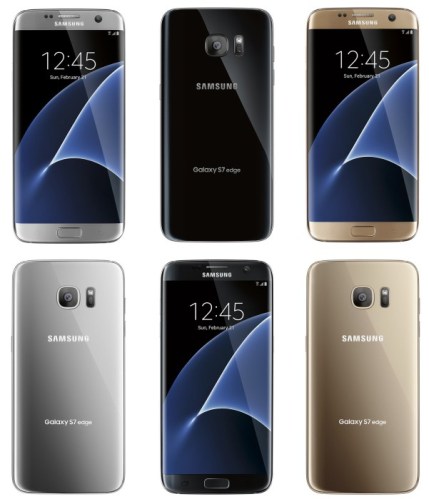
s7 edge colours

Welcome to my first impression of the Samsung Galaxy S7 and Galaxy S7 Edge. In this first impression I will discuss my initial findings on the camera and how the camera compared versus my Apple iPhone 6S Plus.

Unfortunately, it was not possible to extract the photos for this post but I will have another article up focusing specifically on the S7 Edge camera with loads of camera samples.

But first let’s talk about the Samsung Galaxy S7 and S7 Edge hardware. Historically, I have always preferred the Edge version of the earlier Samsung models. Not so with the S7 range. I was examining a black S7 and a gold S7 Edge. In black, the S7 looked stunning and so much better than the older S6 too. 

The S7 is curvier, fits better in the hand, and in black was super cool. Now bear in mind I don’t like black phones. I prefer white, silver or gold. So for me to say black looks stunning, it really does! The Edge was finished in the gold option and it just didn’t look right or good either. It is a slightly different shade of gold to the S6 range. It also is not as comfortable to hold as the standard S7 nor does it look as good. Now my verdict could be tarred by the gold finish, and maybe in black the S7 Edge will look a lot better. I compared the S7 to a S6 and whilst there is similarities, the S7 does look different and classier.

Touchwiz. It’s present but not overpowering and I like the lighter skin provided by Samsung. It really is a lot lighter. Many apps are not installed versus previous Samsung phones. For example, the only music app is Google Play by default. There is even an option to remove the app drawer in the settings to make the S7 look just like an iPhone. I tried to slow down the phone and I couldn’t. No lag was present. It obvious that the android app drawer is going to finally become obsolete across all android phones and this is fine by me. 

Camera. The 12mp rear camera shoots at 4:3, or 9.1mp at 16:9 aspect ratio. Lower resolutions are available. The takeaway aspect of the camera that I witnessed was its focusing speed. Blisteringly fast. Even in diminishing light. I snapped people walking and it kept them on the whole in focus and produced a good shot with little blur. I noticed that reduced light shots were brighter and clearer than those from my iPhone 6S Plus. However the iPhone shots could be edited in photos and made brighter although the quality was not as good. 

The level of detail in lower light on the S7 was overall better than my iPhone. This advantage should pay off with kids or pets moving around, enabling a shot to be snapped in focus and look light enough to use as well i.e. not too dark. The f/1.7 versus the iPhone f/2.2 does make a difference in lower lighting. As soon as the lighting improved to more daylight type conditions, I found it was harder to spot the differences.

For those curious the Pro mode allows a max of 10 second shutter speed. 

I loved the double pressing of the home button to launch the camera and take a shot. Super fast. 

BUT.

I did manage to trip the S7 camera up several times when it came to macro. Several times it just could not focus and the macro shots did not look as pin sharp as I would have expected. I need to retest the macro shots again. However, when it did focus, it was fast again as with all the photos.

Final thoughts. I was left in no doubt the S7 camera is really fast to focus and that it will also produce great quality photos in most lighting conditions. The black finish in my preferred choice and currently I wouldn’t buy the Edge, I would buy the standard S7. I might change my mind when I receive the S7 Edge in Black, so watch this space. I can’t recommend the gold finish. Samsung have done a good job and produced great looking flagship.

But how will it compete against the likes of the LG G5? How far can I push the boundaries of the S7 Camera? Stay tuned as all the comparisons and tests and photographic results are coming soon.

ProCamera + HDR for iOS – One of my favourite camera apps – review 

ProCamera + for iOS is one of my favourite camera apps for taking photos. 

  
Above is the photo snapped by the default camera app on the iPhone 6S Plus. It used HDR to take this shot. 

  
The above shot is taken using ProCamera + and its special HDR mode which brackets up to 5 shots to create one super shot. After taking the shot you can select different HDR variations to save along with the original non HDR shot. 

  
Above a slightly different HDR version and below is a HDR but in black and white. 


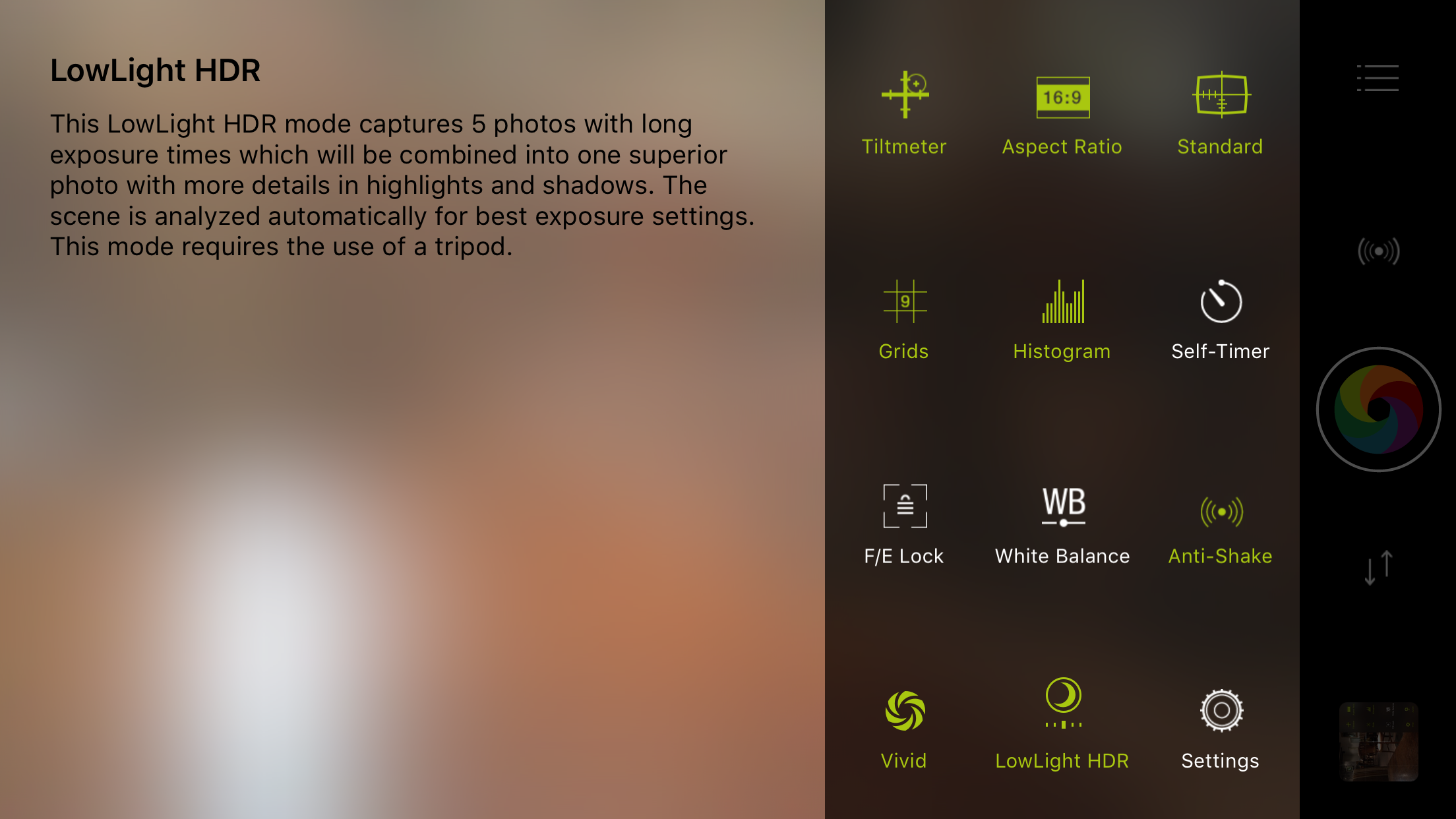
The beauty of this app is that you can have different HDR options. You can select Auto 3 brackets, Auto 5 or Auto and let the software decide. If you’re a real pro photographer then you can go manual and choose your own levels of HDR. There is even a lowlight HDR mode. 

  
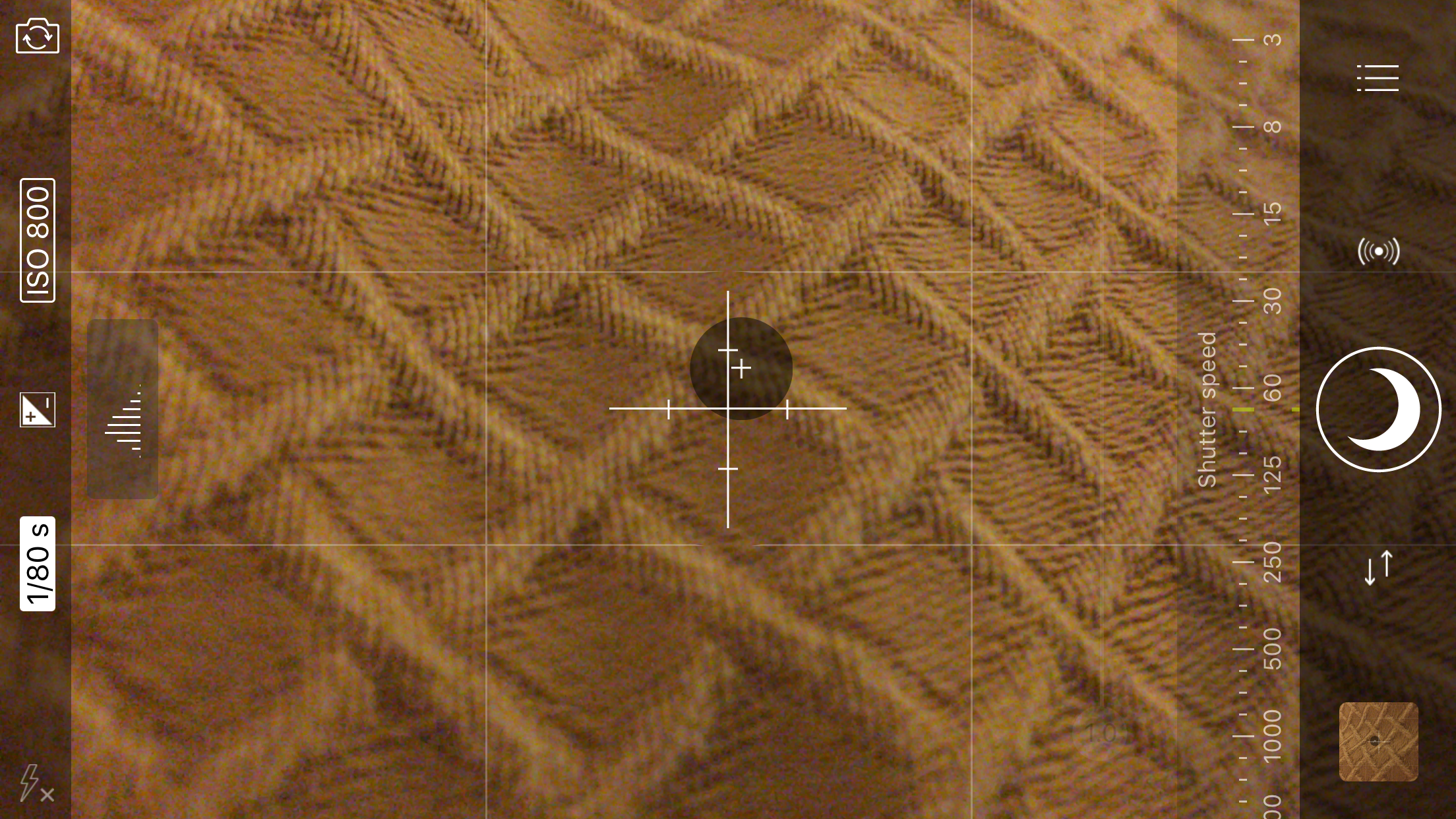
And that’s not all. This camera app does so much more. It naturally has all the manual controls as expected. 

  
And dependant on which mode you are in also depends on some of the options. 

Some of the modes require use of a tripod but the app tells you when you’ll need a tripod too. Low Light + mode is an advanced low light mode that combines 64 shots to create one low noise superb low light image. That’s right up to 64 shots !! The app is near magical in its performance.  The brand new LowLight Plus mode was developed in cooperation with Ittiam Systems. 


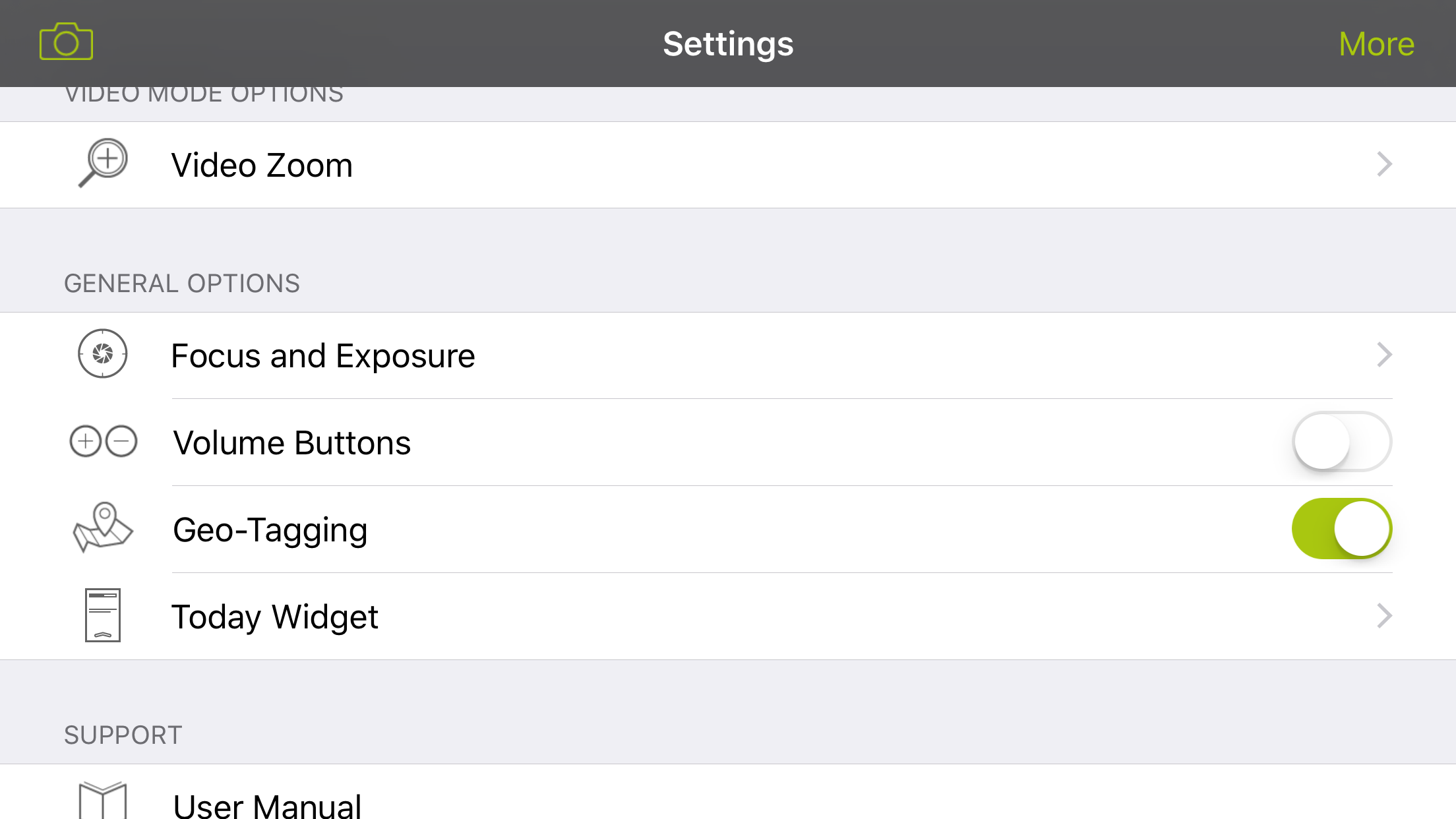
The settings are comprehensive with loads of fine tuning possible. 


You can even choose the method of stabilisation. 


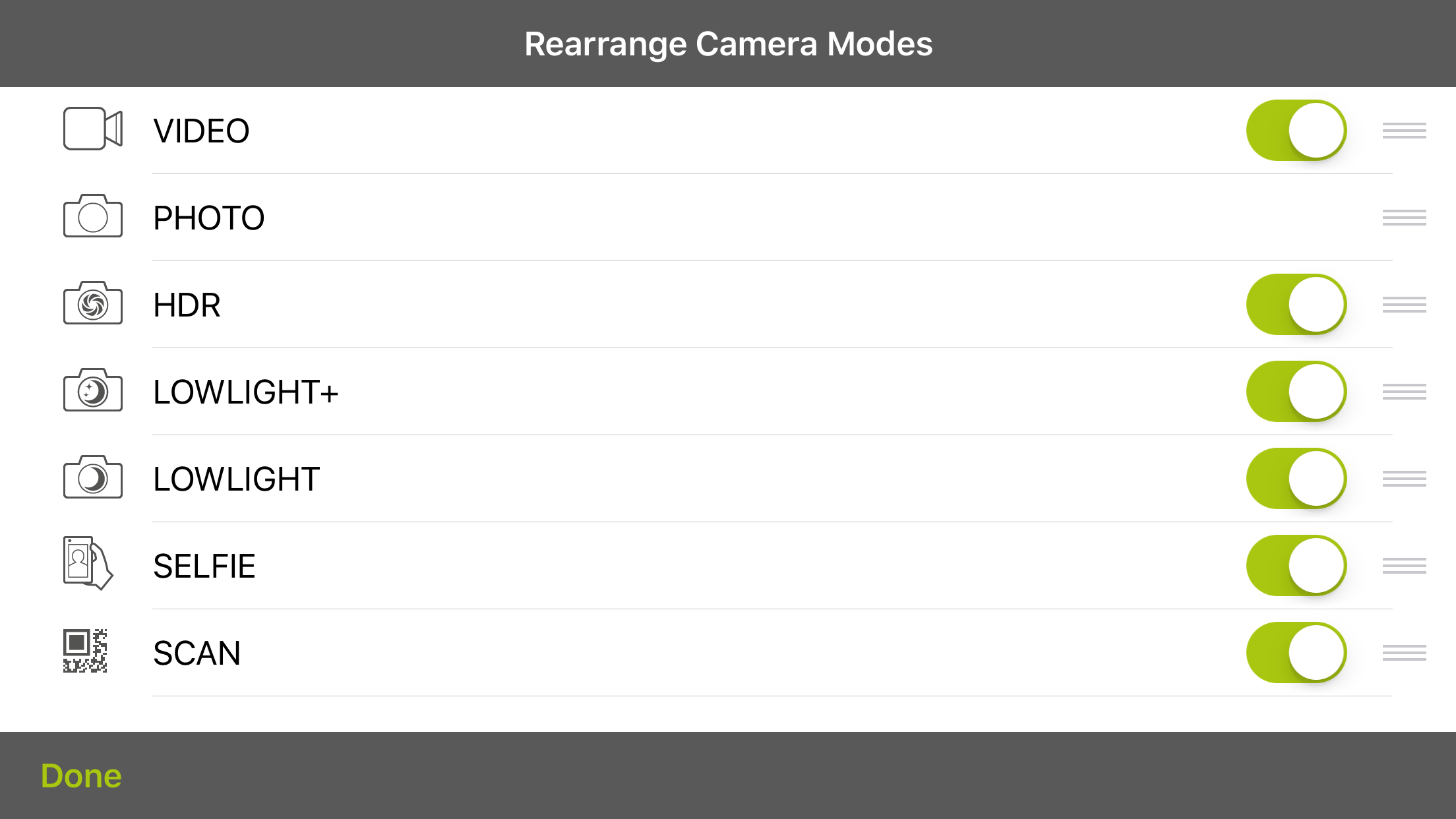
And if you want to, you can reorder the modes and turn off modes you don’t want to use. 

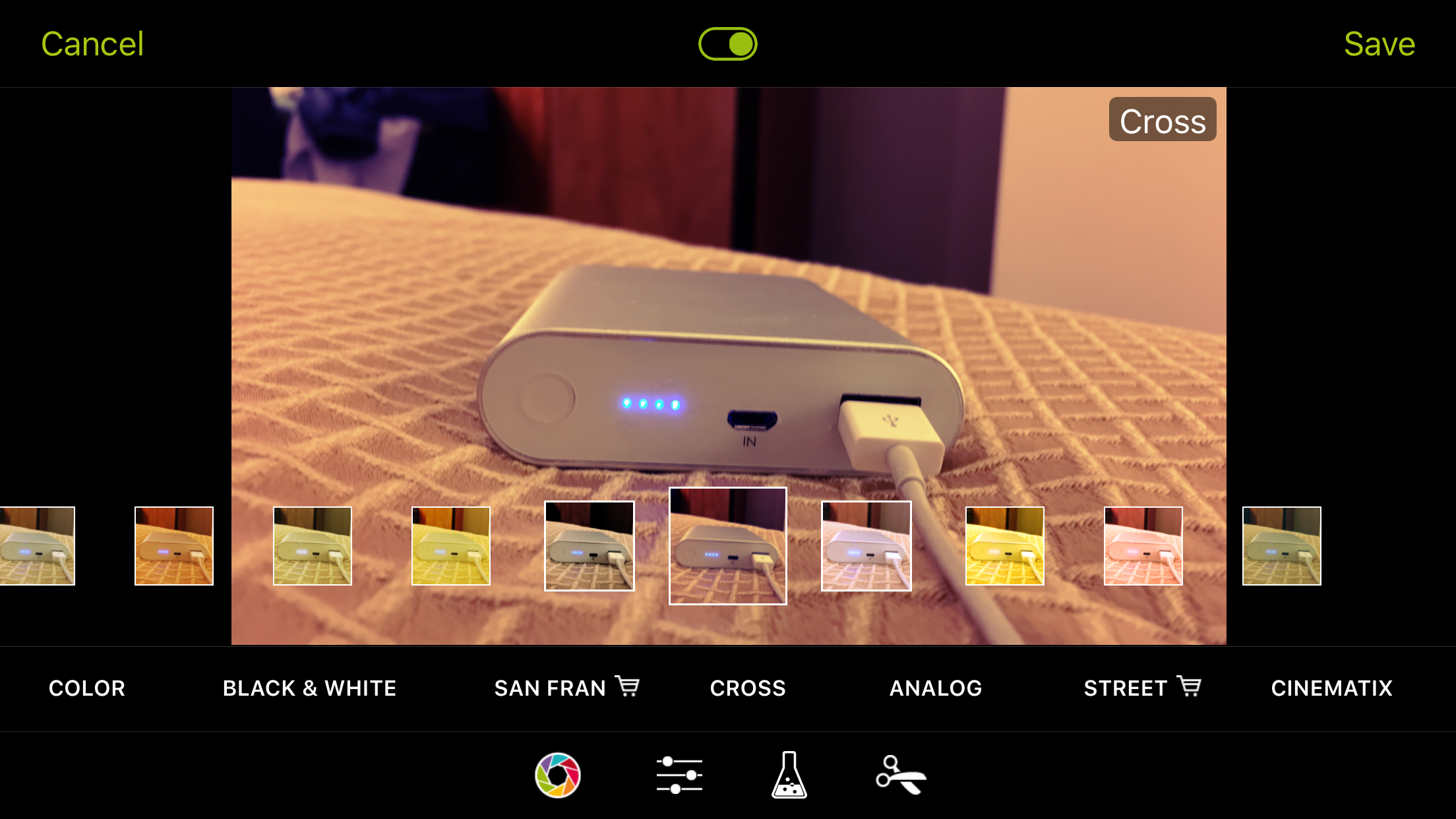
Of course after you have snapped a photo there is a full editing suite along with a good selection of filters. 


Anyway let’s take a look at some more photo examples. 


The above shot is lowlight HDR mode with the natural HDR selected. 

So how does the default camera app perform. 


The default camera app photo is a lot darker and has more noise. It also loses image quality. 

Now normal lowlight mode with ProCamera +. 


Zooming in on the chairs is really impressive. So much more detail and less noise. 

So what else does ProCamera + offer. Following its iOS 9 update it now supports Watch OS 2 so you can change the capture format , The HDR mode is full of options, there are 78 filters and effects, a special selfie mode, exposure swipe control , manual focus , full resolution photo preview, separate focus and exposure points , resolutions settings , cinematic 24fps for video and more. 

Now this app is not cheap. To get the full benefits of the lowlight + and special HDR extras you’ll need to buy the in app purchases. In total everything comes in around £11.30. 

However this app is so good it is on the verge of being my default camera app. 

More details at the developers website – Click Here 

Pioneer XDP-100R Digital Audio Player – The First Digital Audio Player with MQA – My review 


Welcome to my review of the Pioneer XDP-100R Digital Audio Player.  The Pioneer XDP-100R is Pioneer’s first high-resolution portable music player. It is also the world’s first Hi-Res Digital Audio Player to support MQA technology. The Pionner XDP-100R retails for £499.

Master Quality Authenticated is a new music codec that packages Hi-Res and lossless files in a way that takes up significantly less space than current Hi-Res codecs. It is like the music is zipped and during playback gets unzipped. The other aspect of MQA is that it can still play on non MQA supported devices, albeit not at the same level of quality.

MQA can also be used in streaming services. That means much lower downloads too. Tidal is planning to support the MQA format in due course.

MQA support will arrive on the Pioneer XDP-100R via a firmware update fairly shortly.
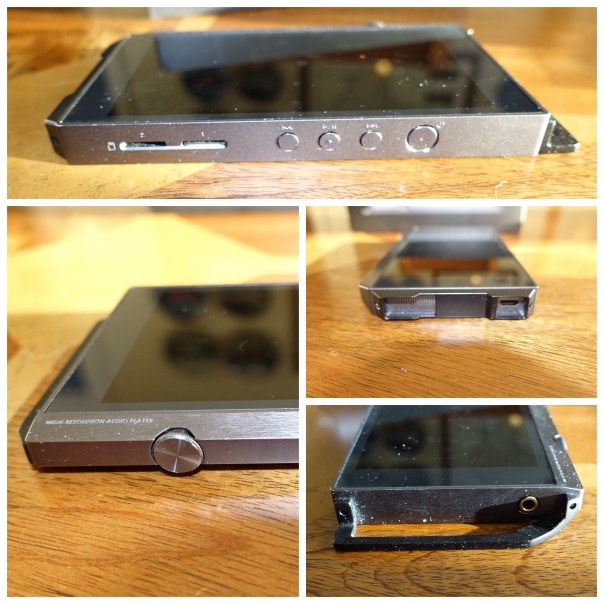
  

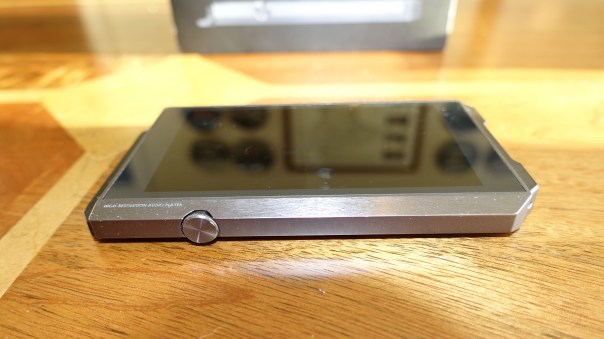
The XDP-100R is extremely well built using an aluminium frame. Just look at the photos. It has removable bumpers on the top and bottom of the device to stop headphones and the micro usb cable placing strain on the input sockets. That is a really neat touch.

The bottom edge also houses the loudspeaker. On the right hand side you have 2 micro SD card slots, music controls and the power standby buttons. The top is purely for the headphone jack and the left hand side is the volume control.

The Key Specifications –

– Aluminium build for extended durability strength with removable bumpers
– 4.7 inch (1280 x 720) touch screen for easily navigating music les
32GB Internal storage (Max 432GB capacity with 2 expandable SD slots)
Two (2) SD card slots for extended storage (Max 400GB/200 x2, Micro SDXC type)
– Built-In Wi-Fi® (802.11b/g/n or 802.11ac)
– Built-In Bluetooth® with aptX® (A2DP, AVRCP, HSP, OPP, HID, PAN)
– Built-in speaker
– 3.5mm Stereo Phone out
Micro USB B/OTG Digital out
– Battery Life: 16 hours (96kHz/24bit Playback)
Separate DAC/AMP circuit board and CPU circuit board
– Available in Black (XDP-100R-K) and in Silver (XDP-100R-S)
ESS SABRE® DAC ES9018K2M
Headphone AMP SABRE 9601K
– Qualcomm® APZ8074 Processor (2.2 gHz Krait 400 Quad-core, AdrenoTM 330 GPU 450 mHz)
Android 5.1.1 with Google Play
– X-DAP Link for content le transfer (PC to DAP)
– OnkyoMusic.com Direct Download
– Output Power – 75mW + 75mW 32 ohm
– Impedance Support – 16-300 ohm
MQA® playback support (with firmware update) DSD File Playback: Convert to PCM 192 kHz/24-bit (3.5mm Phone/Line-out mode)
– Up to 11.2 MHZ DoP/ Direct Transfer and Up to 5.6/2.8 MHz DoP/ Direct Transfer/ PCM (Micro USB-B)
– Hi Res file Playback:
– Up to 192 kHz/24-bit 32-bit Integer/ oat 24-bit down convert (3.5mm Phone/Line-out mode)
-Up to 384kHz/24-bit 32-bit Integer/ oat 24-bit down convert (Micro USB-B)
Sound Arrange Function:
– Up-Sampling 192kHz/24-bit (3.5mm Phone/Line-out mode)
– Up-Sampling 384Hz/24-bit Real-time DSD Convert 5.6MHz (Micro USB-B)
Six built-in sound adjustments (Lock range adjust, digital lter, upsampling to 384 kHz, Realtime DSD conversion to 5.6 MHz, High Precision EQ, Club Sound Boost)

Notes for this Review

FLAC and MP3 songs were used for this review. MP3 songs at 320 bit rate.

Headphones used included Sennheiser HD598se, Dunu Titan 5, Denon MM400, Audio Technica M50x and Sony XBA-A2.

Bluetooth headphones used were Plantronics BackBeat Pro and Lindy BNX-60.

The Operating System
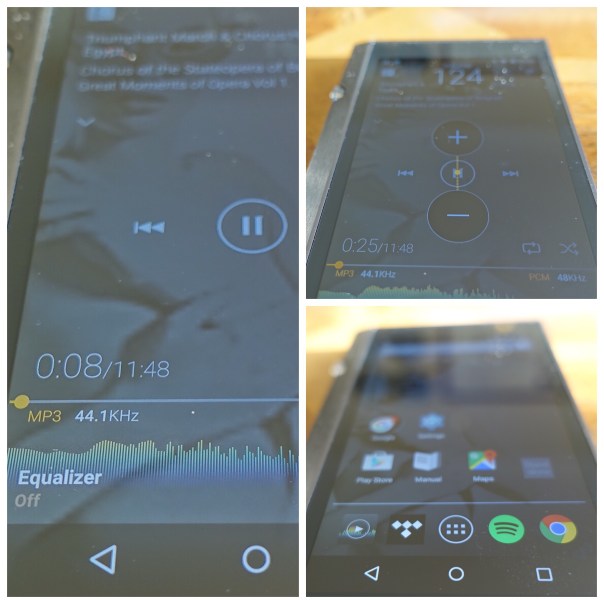
  

Pioneer made a good choice and based the DAP on Google Android 5.1.1. That means that in addition to your own music you can stream music from all your favourites places. Tidal, Spotify and Qobuz are preinstalled.

APT-X is present for using Bluetooth. WiFi and DLNA is also present so streaming music to another device is possible.

The Pioneer XDP-100R runs a near stock version of android. Extra apps include Pioneer’s own music app and the Onkyo Music store app. This means you can buy Hi-Res music on the XDP-100R, then download and start enjoying your purchased music immediately.

The Sound Quality and Operation

The Pioneer will plays lots of different formats from MP3s to 24-bit/384kHz FLAC, DSD, WAV and AIFF files. The DAP has 32gb on board storage. You can then insert 2 x 200gb micro SD cards. Battery life is stated at 16 hours. In testing I achieved 12-13 hours but I was playing around a lot with the DAP.

Pioneer has included their own music app. And it’s seriously fantastic. And looks the business. You have tons of different ways to find your music. Upsampling options, club sound boost mode options , equaliser, crossfade, gain, USB Audio, digital filter options and much more. I like the fact that the song artwork becomes your home screen wallpaper automatically. This can be prevented if required. 

Playback via Bluetooth

APT-X is present for audio playback and the sound quality was superb using this method. For this test I listened to a number of different genres. I do like the fact that bluetooth is an option on this DAP. It really adds to its versatility. 

Playback via Wired Headphones

This is where the XDP-100R shines. As I mentioned above I tested the DAP with a range of different headphones to establish an overall opinion. 

FLAC – The Humming by Enza – The Pioneer recreates the delicacy of Enya’s voice superbly. The bass, treble and mids are all on the mark. It is worth pointing out that the volume increases from zero to 160 in small steps, allowing for precision volume control of all of your headphones. 

FLAC – Paavo Jarvi – Frankfurt Radio Symphony – Symphony No 1 in G Minor Op. 7 1 Allegro Orgoglioso – As the music escalates , the Pioneer XDP-100R keeps up nicely and delivers plenty of extra oomph as required. The sound is well balanced across all frequencies.  The sound field was reasonably wide too.

FLAC – Stravinsky Chamber Orchestra- Schindlers List – the piano is so moving. And delicate and precise. Wow. 

MP3 – Michael Buble – Feeling Good – Oh gosh Michael’s voice is delivered with such authority, slam and attack. The bass is fantastic. Accurate and firm and not over the top. 

MP3 – Nina Simone – The Other Volume – Nina’s voice is reproduced so well and with such musicality and feeling. The piano and other instruments are all clearly heard too. 

MP3 – Paloma Faith – Can’t Rely on You – a punchy powerful reproduction with the XDP-100R. All the vocals are superb with a strong bass line. 

MP3 – Muse – Defector – A powerful musical rock performance by the Pioneer. Stunning. 

MP3 – Gypsy Kings – Moorea – the guitar playback and rythym is beautiful. 

In fact my main takeaway with the Pioneer XDP-100R is the fact it possesses such musical, engaging and powerful sound qualities. I found I could close my eyes for hours and hours and enter a different world. 

All my headphones sounded brilliant with the Pioneer. The Sony XBA-A2 are fairly bass neutral / light but with the Pioneer they came alive. The Pioneer possesses superb bass attack, treble and mid range. Where appropriate the sound stage is dynamic and wide. The toe tapping musicality of this device makes this one additive machine. 

Conclusion

The Pionner XDP-100R is a great entry by Pioneer into the personal digital audio space. It is future proof with MQA codec support and versatile with WiFi, DLNA and Bluetooth APT-X and the ability to add 2 high capacity micro SD card support. In addition, it offers superb sound quality making the whole package rather attractive. Highly recommended.

Pioneer XDP-100R-K High Resolution Digital Audio Player deal on Amazon UK
Note Tapper for Apple Watch – complete with keyboard

Sometimes the best ideas are the simplest. Note Tapper for Apple Watch came to my attention as a solution I needed when adding notes via Siri wasn’t private enough or suitable. 

What makes Note Tapper unique is that it takes notes using its own keyboard. So let’s step back. You first install the app from the App Store. Click HERE.

After installing the app on your iPhone it installs on your Apple Watch. If you open the app on your iPhone it provides instructions on how to use the app on your watch. 


Above and below are screen shots of the instructions. 


So let’s have a look at how the app looks on the Apple Watch. Below are screen shots from the Apple Watch. 


Nice and bold. Just press the plus to add a new note. Above are your existing notes. 


And the keyboard continues by sliding up or down the screen to reveal the other keys. 
 

Adding text or numbers is a breeze. Instead of squinting at a small keyboard, the developer decided to make it easier to enter text by sliding up and down to reach other aspects of the keyboard. It makes for more accurate data entry. 


Adding a date or part date to a note is possible too. Tap on the field(s) required and use the watch crown to rotate to your desired selection. 

And that is it. A simple, easy and private way of taking notes. Currently, notes are only stored on the watch. I did get in contact with the developer and he informed me that iCloud sync is being planned for the next update. 

For 79p this is a no brainier app for the Apple Watch. 

Note Tapper for Apple Watch

Fake TV – A Smart Security Gadget – Review

FakeTV with Response logo_window

I had heard a lot about the Fake TV so decided to try one myself. It is manufactured by Response Electronics. With the Fake TV it appears as if you are at home watching TV and therefore fools burglars to think somebody is at home. 

Key Features 

– Visual deterrent to intruders/burglars: giving the appearance that someone is at home watching TV

– Realistic TV programme simulation: completely unpredictable, no light or colour pattern repeats

– Simulates scene changes, light fades, light flickering, on-screen motion & colour changes

– Eco friendly – uses less power than a night light

– The built in computer controls its super bright multi-colour LED light output – equivalent to a typical 27″ TV

– Light sensor automatically triggers FakeTV at dusk

– Two settings: Dusk+4 hours and Dusk+7 hours

– Automatically turns on when dark outside (0.5 lux)

– Automatic shut-off at the switch selectable time

– Mains powered – 240V AC Adapter included

This £25 gadget is so simple and brilliant to use, I just wished I had invented it myself. All you have to do was plug it in a room, in a way that it can’t be seen from the outside. You could for example close your curtains so there is just a peep of activity visible from outside. If plugging it in upstairs, it probably is not as important to shield it from people outside as they are unlikely to be that tall to see thru an upper floor window from the outside. Once in position, just turn it on. 

For my tests, I plugged it into a front bedroom located upstairs. It came on automatically at dusk. I then stepped outside to view the scene appearing from the upstairs window. It absolutely looked like someone was watching TV. I watched the view from outside for a good 30 mins. A few hours later, I went outside again and was just as amazed as I was originally. In fact, it looked like adverts were running at one point too. Size wise the Fake TV is the size of your hand. It projects a strong mix of light across your room with ease. It also only uses the same amount of energy as a night light. 

The Fake TV is a simple idea but a good security device to act as a deterrent against burglars. Sometimes the simplest ideas are the best, and this is one of them. 

Fake TV on Argos UK – Click Here
HeartWatch for iOS – One of My Favourite Apps for Apple Watch – Mini Review 

HeartWatch for iOS is a stunning app and highlights why iOS has the edge on apps over other platforms due to the extensive range across all categories along with depth and breadth of features in apps. 

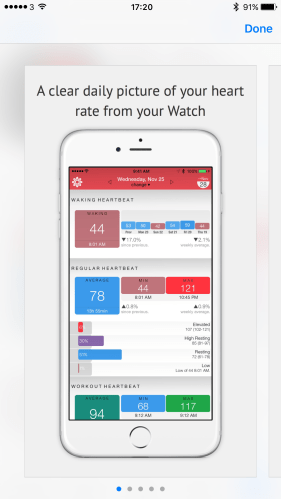
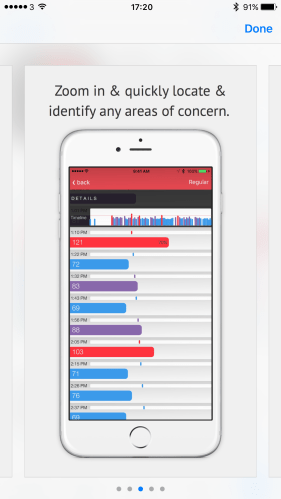
Due to privacy issues, I am not sharing my heart rate data, but merely the screen shots from the App Store. However, the level and depth of data is exactly the same as shown below.

img_2555

For ages one of the aspects of the Apple Watch that annoyed me was the overall level of data provided on your heart rate especially considering the fact it is monitoring it constantly.

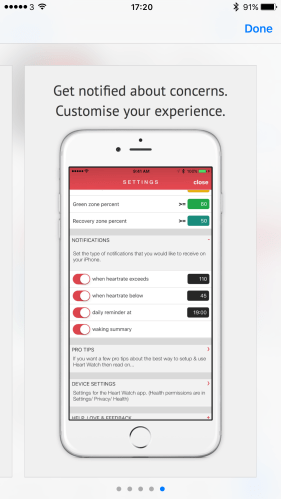
Heartwatch for iOS is able to extra all the data and display it is a superb manor. You can also setup notifications as shown above. So in theory it could be the app that tells you something is wrong with your heart before the doctor since you can get notified if your heart rate goes below or above a certain point. The triggers are set by yourself. You can also get other notifications too.

img_2552

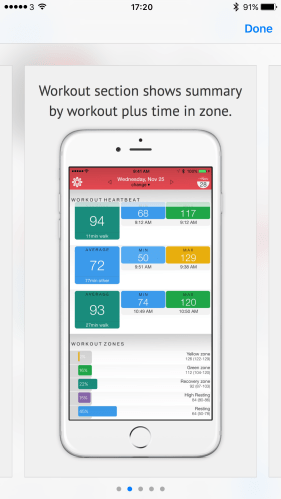
The Activity app on the iPhone only provided one data point for your heart rate after a workout had completed. Now you can see a lot and the different times you were in the zone. It really is incredible how much data got pulled off the Apple Watch. Not only that, but after installing the app, it populated a considerable amount of historical data. In my case it pulled 2.5 months of historical data.

img_2554

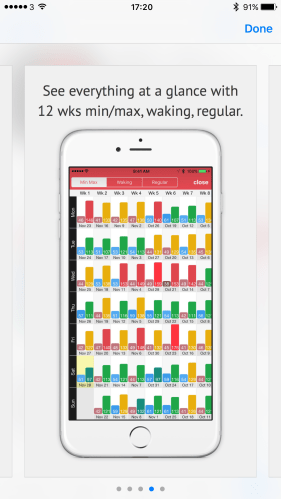
Then there is the stats to show the data on one screen over a longer period.

img_2551

Daily stats provide a much clearer picture of how you performed over the day.

img_2553

What I also like is that on any screen you can drill down further too.

Overall this is a really cool app and makes the Apple Watch that extra bit more useful from a health and fitness angle. Currently the app costs £1.49 which in my opinion is worth every penny.