Category Archives: Reviews

Recap of the 8 Reviews published this week

This week has been busy with a number of reviews. But before I get to the reviews, the latest episode of “Gav & Dave’s Tech Podcast” got released.

https://gavinsgadgets.com/2015/04/03/episode-34-fight-club-gav-daves-tech-podcast-is-now-live-please-rt/

Reviews included –

Oppo PM-2 Headphoneshttps://gavinsgadgets.com/2015/03/31/oppo-pm-2-headphones-review-be-prepared-to-be-blown-away-with-incredible-sound/

AKG K702 Headphoneshttps://gavinsgadgets.com/2015/04/03/akg-k702-headphone-review/

HTC Desire 820 Smartphonehttps://gavinsgadgets.com/2015/04/03/htc-desire-820-review/

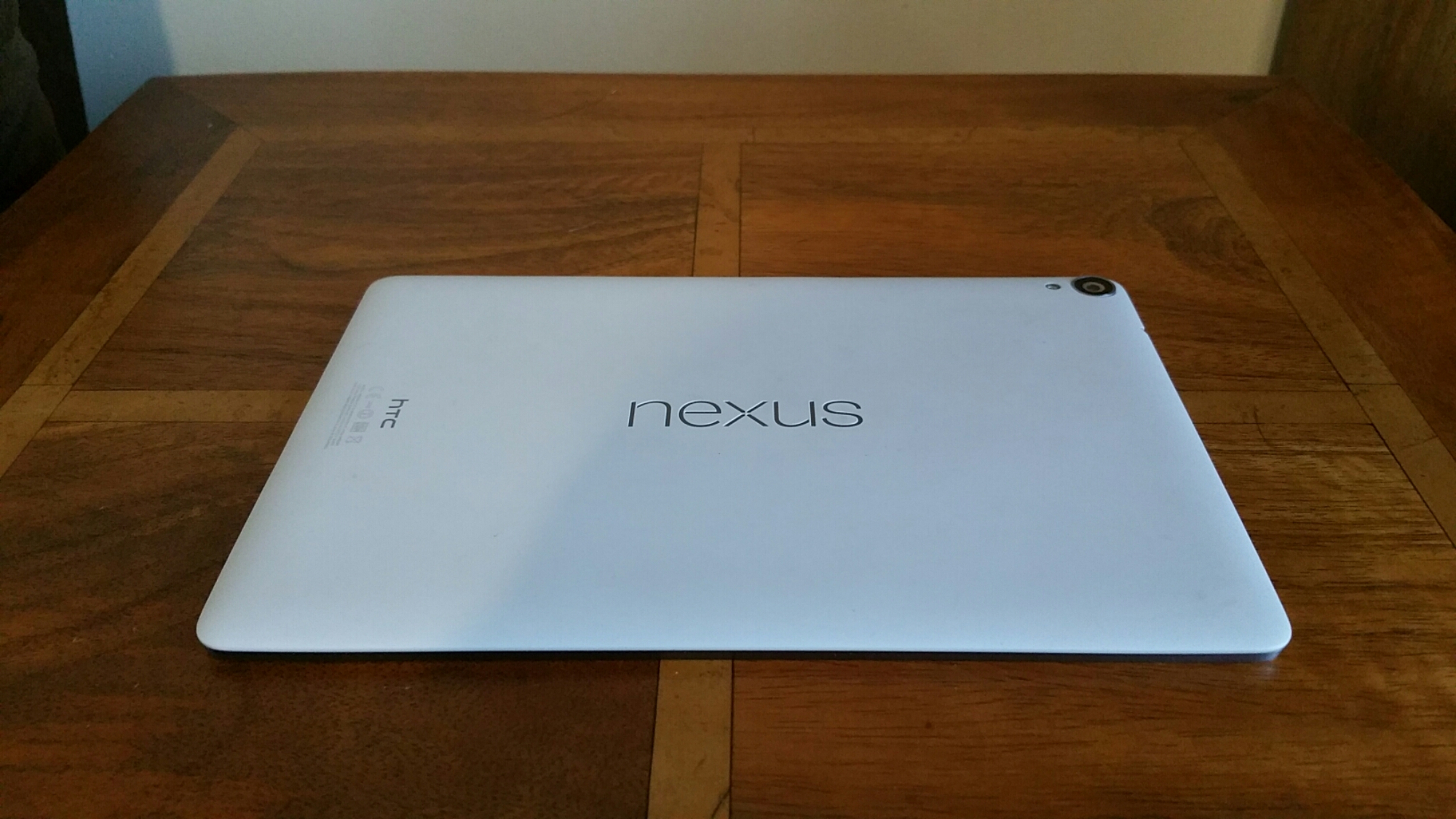
Google Nexus 9 Tablethttps://gavinsgadgets.com/2015/04/01/nexus-9-tablet-review/

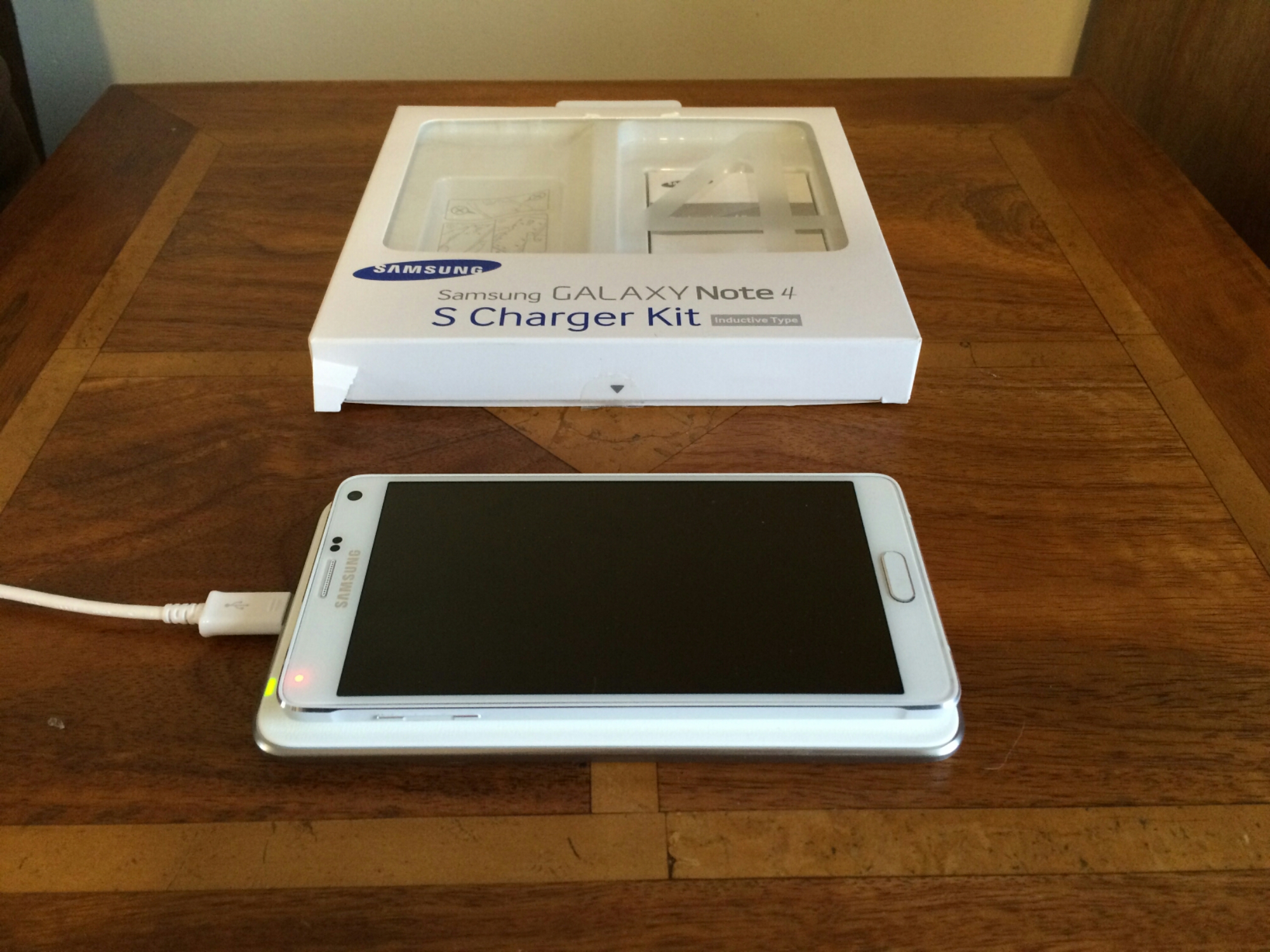
Samsung Note 4 Official Wireless Charging Kithttps://gavinsgadgets.com/2015/03/30/samsung-galaxy-note-4-official-s-charger-qi-wireless-kit-review/

And then 3 posts on the Nokia Lumia 830, and the camera vs Samsung Note 4 –

https://gavinsgadgets.com/2015/03/30/what-app-shortage-my-nokia-lumia-830/

https://gavinsgadgets.com/2015/04/01/nokia-lumia-830-vs-samsung-note-4-camera/

https://gavinsgadgets.com/2015/04/02/nokia-lumia-830-vs-samsung-note-4-camera-samples-part-2/

AKG K702 Headphone review

image

image

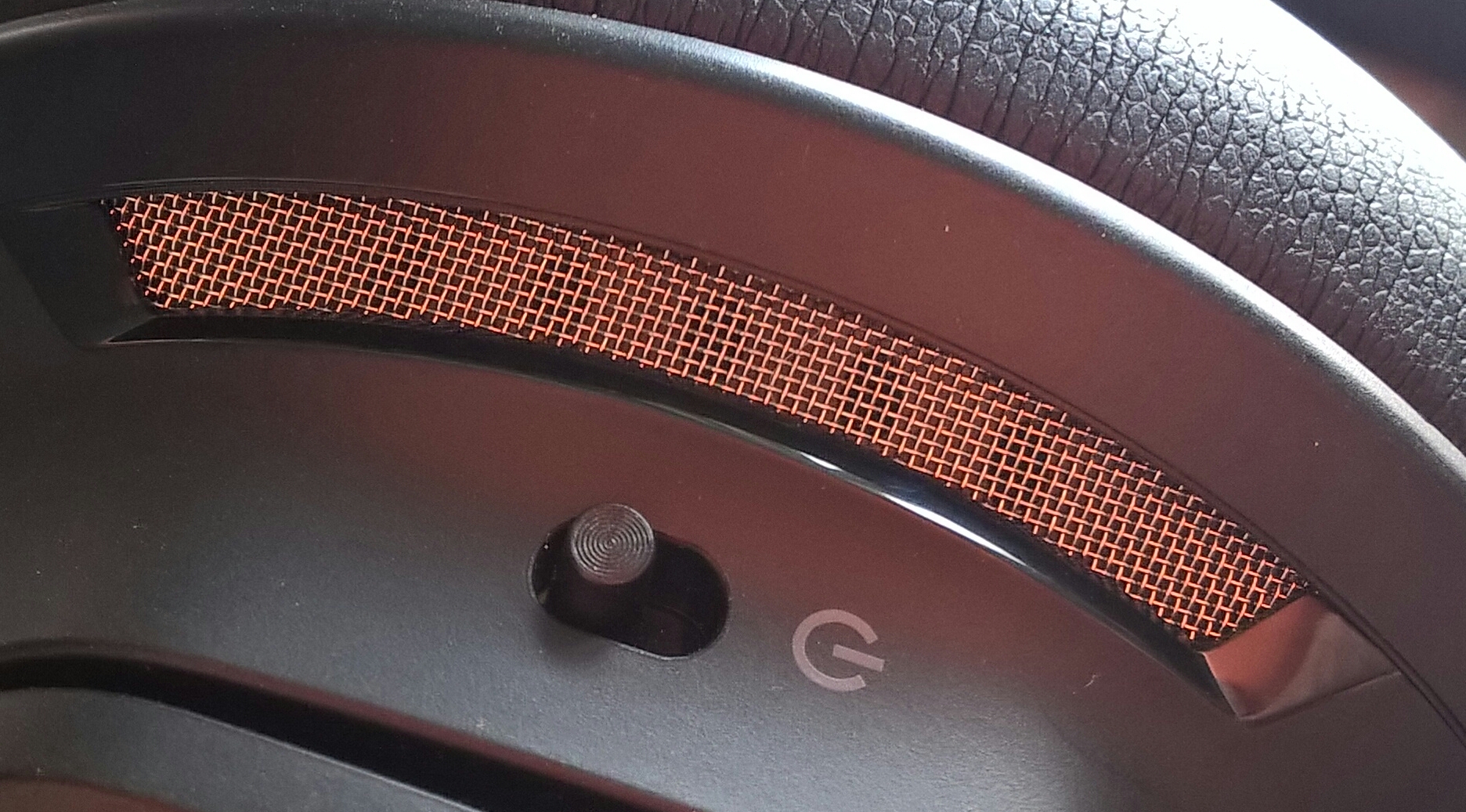
The AKG K702 headphones are now nearly 5 years old. At the time, they were the new reference for open-back, dynamic headphones featuring a flat-wire voice coil technology. This reproduced an extremely accurate sound. In addition the headphones have a transient response professional plug-on cable patented varimotion diaphragm for sparkling highs and accurate bass response. The two-layer diaphragm allows for a wide dynamic range and superior clarity. This in turns relates to a frequency response of10hZ – 39.8kHz, Efficiency of 105dB SPL/V and an Impedance of 62 ohms. You also get a stereo adapter 1/4 to 1/8 (6.3/3.5mm). When these headphones first got released they cost over £400. Now you can buy them while stock lasts at Amazon for £149. AKG also sell the K701 which are identical but don’t have a removable cable. The K701 are available for £10 less, but it is far better to get the K702 as the cable is replaceable should you want to upgrade it or replace it.

I must admit, I have read so many reviews over the years on these headphones but never wanted to buy them as the reviews all commented that “these headphones need a powerful headphone amp to drive them properly” and that “neutral sounding studio quality”. Neutral sounding studio quality can sometimes mean lifeless and lacking bass. Since the K702’s are now reduced down to £149, I decided to give them a go. First note that these are not portable headphones, nor are they private as the sound flows out from them. Also they look huge on your head. No let me repeat that again. They look really huge on your head. But they are extremely comfortable with their wing design. Next, if you have a poorly recorded track, they will reproduce a poorly recorded track. These headphones need a reasonable source and definitely need oodles of amplification!

So what do they sound like? They have a tone like no other headphone I have ever owned. The sound stage through these headphones is massive. They can pick up the most delicate parts of a track with finesse. At first bass appears rather lightweight. That is because these headphones do not add anything to the music. If the bass is not there, you won’t hear any. But if the bass is present, it delivers it. As the K702’s deliver such a wide expansive sound stage, these really suit classical music big time. Listening to epic classical concerts was simply a revelation. But try a few other genres like jazz, blues and rock and the atmosphere of the song is mesmerising. If you like rap or dance music, these are superb but you might want to use an EQ and crank the bass levels up. The real strengths of these cans are its treble and mid range reproduction. If you do use these, I really recommend using them for an hour before judging them as your ears will need to adapt to its sound.

But as I said earlier, these headphones are not for everyone. They are not portable and they need power to drive them properly and a decent quality source. You also need a private listening area. If you have all these ingredients you have a smashing pair of headphones.

AKG K702 Open-Back Dynamic – £149 now at Amazon

HTC Desire 820 review

image

image

Welcome to my review of the HTC Desire 820.

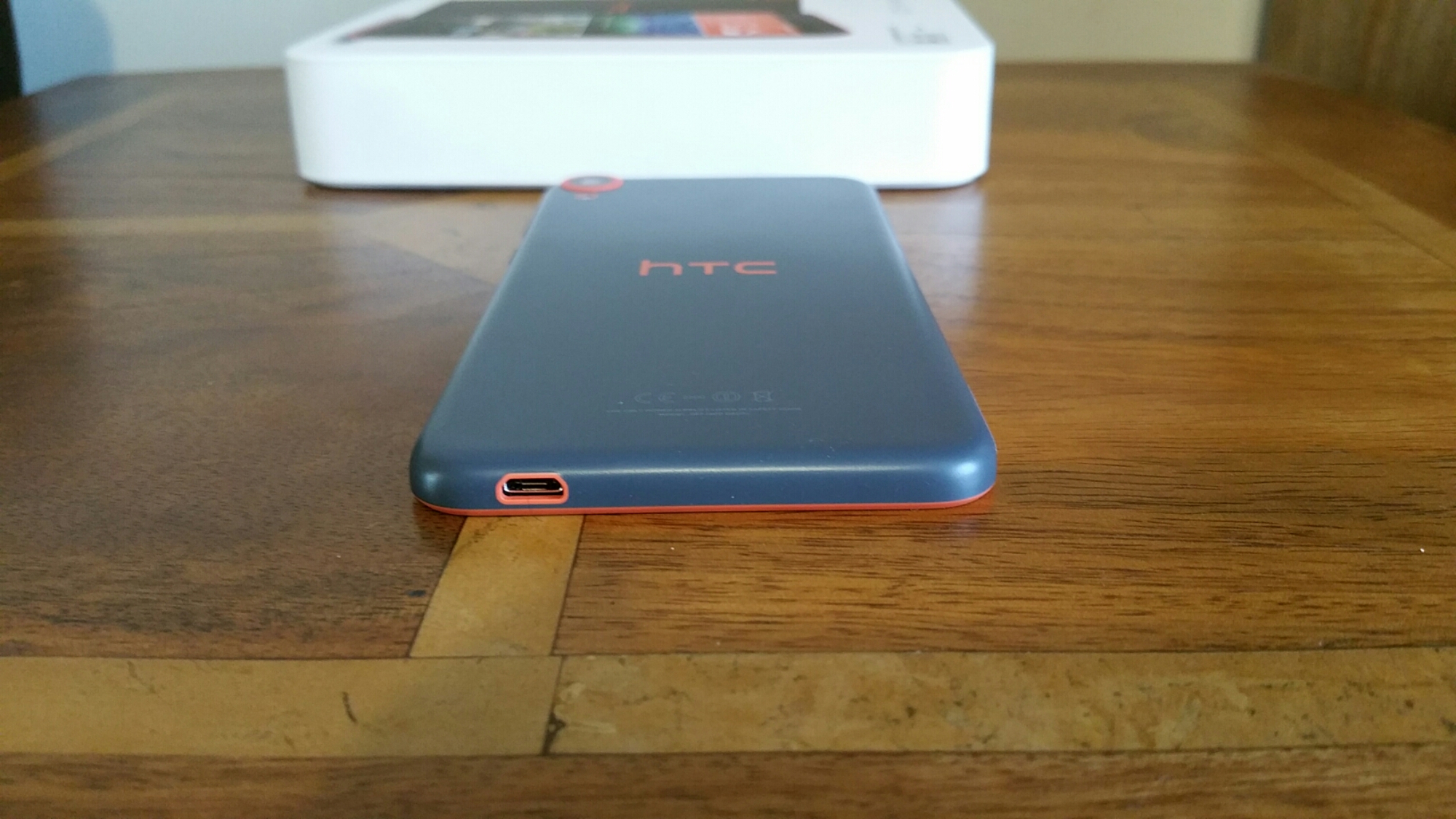
The first thing that grabbed my attention was the look and feel of the phone. I really love the finish with the orange accents. The phone is available in a range of colours, which in my opinion gives it some personality. It also drew attraction from a number of people who wanted to know more about the phone, just based on its initial looks. Even the micro usb port has a little orange love.

image

First lets take a look at the official specs –

– Size 157.7 x 78.74 x 7.74 mm
– CPU Speed Qualcomm® Snapdragon™ 615, Octa-core 64-bit
– Network 2G/ 2.5G – GSM/GPRS/EDGE:850/900/1800/1900 MHz ,3G/3.5G – WCDMA: 850/900/2100 MHz with HSPA+ up to 42 Mbps , 4G – LTE: Bands 3,7,8, 20
– Sensors Accelerometer, Proximity sensor, Ambient light sensor
– Camera -Main Camera:13MP, BSI sensor, f/2.2, 28mm lens, 1080p video recording, Front Camera:8MP, BSI sensor, 1080p video recording
– HTC Eye™ Experience with Split Capture*, Face Fusion, Live Makeup, Auto Selfie*, Photo Booth
– AC Adaptor Voltage range/frequency:100 ~ 240 V AC, 50/60 Hz DC output: 5 V and 1 A
– Weight 155 g
– Platform Android™ with HTC Sense™ HTC BlinkFeed™
– Memory Total storage:16GB, available capacity varies RAM:2GB
– Expansion card slot supports microSD™ memory card for up to 128GB additional storage (card not included)
– Connectivity Bluetooth® 4.0 with aptX™ enabled Wi-Fi®:IEEE 802.11 a/b/g/n (2.4 & 5 GHz)
– DLNA® for wirelessly streaming media from the phone to a compatible TV or computer
– HTC Connect™
– micro-USB 2.0 (5-pin) port
– Audio supported formats: Playback:.aac, .amr, .ogg, .m4a, .mid, .mp3, .wav, .flac, .wma (Windows Media Audio 9) Recording:.aac
– Video supported formats:Playback:.3gp, .3g2, .mp4, .mkv, .wmv (Windows Media Video 9), .avi (MP4 ASP and MP3) Recording:.mp4
– Display – 5.5 inch, HD720
– SIM Card Type nano SIM
– Location Internal GPS antenna + GLONASS Digital Compass
– Sound HTC BoomSound™ Dual frontal stereo speakers with built-in amplifiers
– Sense Voice
– Battery Capacity:2600 mAh
– Embedded rechargeable Li-polymer battery
– Talk time: Up to 17.8 hours for 3G Standby time ,Up to 455 hours for 3G

The first thing to note about the HTC Desire 820 is that it has a Snapdragon 64 bit processor which will allow for some future proofing. The plastic body did seem to attract my finger prints, but nothing that could not be removed with a quick wipe. The 5.5-inch screen is only 720p but the panel used is excellent. The display had good colour reproduction and viewing angles. Text looked fine on the screen too. The Desire 820 has HTC’s trademark Boomsound Front facing loudspeakers and these really do offer an upgraded audio experience. Not quite at the standard of the One M8/M9 but not far behind either.

Qualcomm’s 64-bit octa-core SoC is focused at mid-range market smartphones. The Snapdragon 615 has four 1.5 GHz Cortex-A53 cores and four 1.0 GHz Cortex-A53 cores along with an Adreno 405 GPU. With the RAM at 2GB this phone flies in use. The phone comes with 16gb internal storage of which 8gb is available to the user. The Desire 820 does accepts microSD cards of up to 128GB capacity. The phone comes with android 4.4.4, HTC Sense 6 and HTC Blinkfeed. Lollipop is scheduled for the Desire 820 too.

The Desire 820’s front camera is a massive 8 megapixels with the rear being 13mp shooter with LED flash. HTC’s camera app is truly fairly comprehensive. There are a host of shooting modes available apart from your regular suspects like Manual, Auto, Photo Booth, Split Capture and Panorama. Manual controls offers fine control over a wide number of parameters from ISO, EV, AWB, Filters, Shooting modes from night, macro, HDR, aperture from 0.3 to 1/8000 and lots more. For the creative ones, the camera app is ideal. Once you have taken your photos the editing software allows for many options including draw, rotate, crop, flip, straighten, frames, filters, effects (face adjustments galore) . The Desire 820 is a real social camera especially being able to create video highlights/Zoe’s.

Below are a sample of the camera shots taken with the Desire 820 so you can make your own opinion on the quality of the Desire 820 camera. In my view, in good light the photos were ok and in difficult lighting it seemed to struggle. For the full range of shots head over to my Flickr album set – https://flic.kr/s/aHsk6fBpFk

image

image

image

image

The phone can connect to other devices over Bluetooth v4.0 and has support for apt-X which add to the audio experience. USB Audio is not supported. Other connectivity options include Wi-Fi a/b/g/n and Wi-Fi Direct. The battery is 2600mAh battery which provided enough juice just to make it through one of my days. That was without using the Power saving or Extreme Power saving modes.

The HTC Desire 820 is available for around £270 an offers a reasonable experience.

HTC Desire 820 at Amazon – Offer

Nokia Lumia 830 vs Samsung Note 4 – camera samples part 2

Welcome back to Part 2 of my camera comparison between the Nokia Lumia 830 and Samsung Note 4. Yesterday, I looked at macro shots. Today it is simple shots taken whilst out and about. I have included all the shots taken to give you an idea of consistency too, plus some observations. None of these photos have been edited. This post may take a while longer to show all the photos as I uploaded full resolution in to this post. I have not scaled down any photos either. The task was for each phone to take the best possible shot. First group of shots are from the Nokia Lumia 830.

image

The photos were taken at Bradley, which is a National Trust site.

image

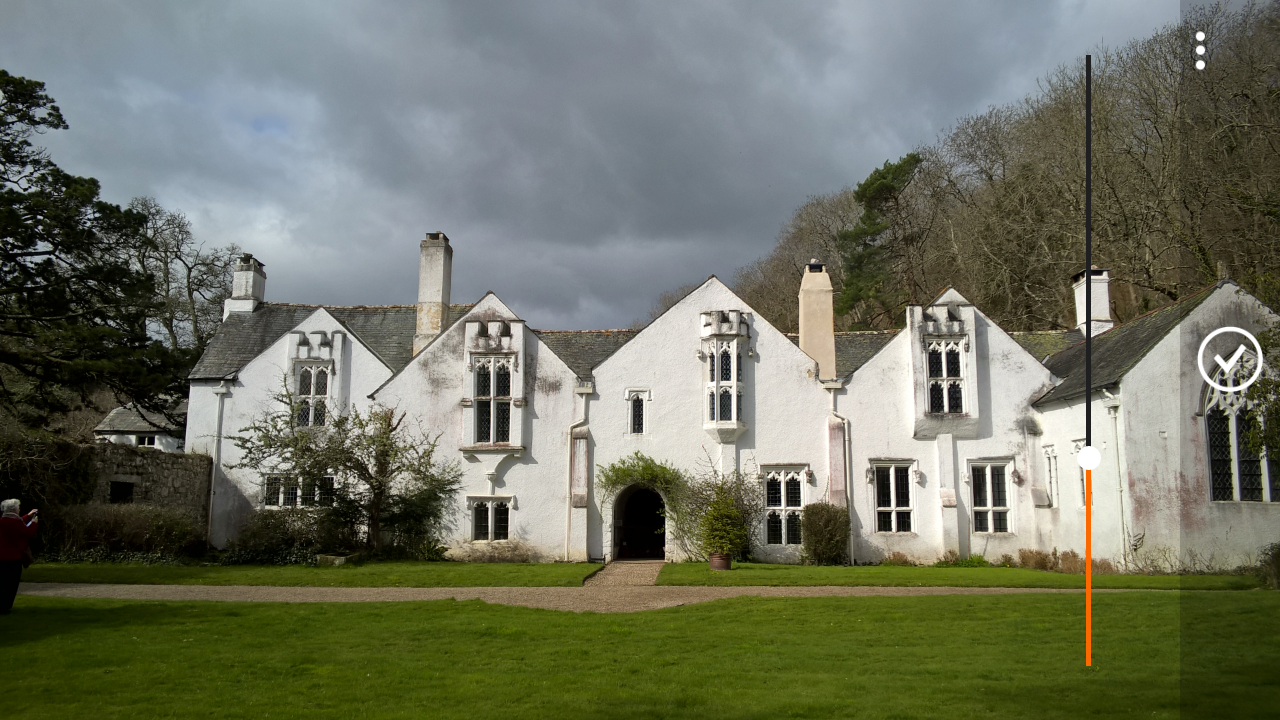
The Lumia 830 is using its Rich Capture Mode to take these. I prefer a strong effect, but you can re-edit the effect, see end of article.

image

Personally, I preferred all the shots from the 830, not that the Note 4 took poor shots. Some observations. After taken a number of Rich Capture shots on the 830, it brings up a message “saving photos”. This can take around 5 seconds and seems like an eternity. The Note 4 just keeps taking and saving at a phenomenal rate and clearly benefits from the bigger processing power.

image

The pano shot was my first attempt in this mode. I screwed it up as people emerged and I tried to rush it. The right side was not aligned properly. You live and learn. To take a pano shot on the 830 you move across and follow the line to the shaded circle. With the Note 4 you just pan across and voila. Again larger processor in the Note 4 has its advantages.

image

And now the same shots but from the Note 4, again using HDR mode.

image

image

image

The shot below is non HDR on the Note 4.

image

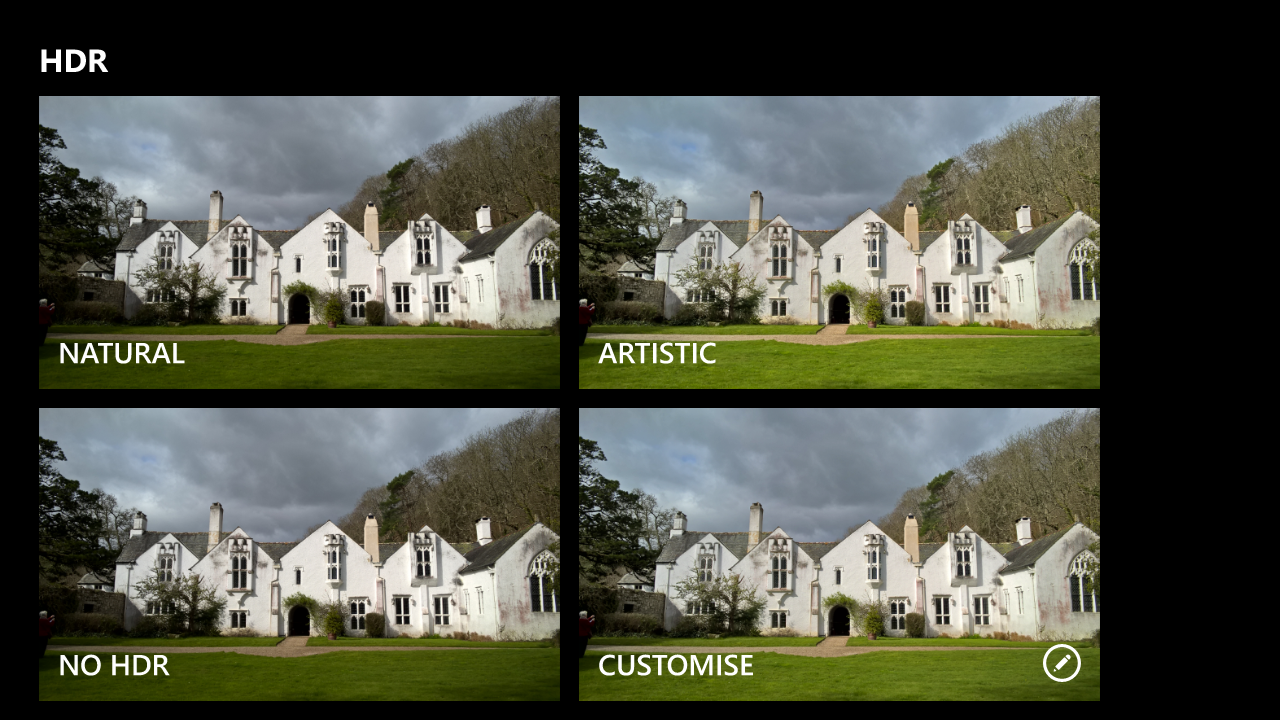
The beauty of the Lumia 830 is its Rich Capture Mode. You can fire up the Nokia Camera app, and scroll to a particular rich capture shot and change the HDR effect. There are 4 options as shown.

image

The customise options is brilliant as you can add just the required amount necessary.

image

And to give you an idea of non HDR, this is what it looks like as shown below.

image

I also wanted to see how good the 830 burst mode could perform. The daylight was poor but these are a few seagulls that flew over me.

image

image

And finally, just for a bit of fun, these are all taken on the Lumia 830 and edited on the phone to create the effect of my liking. These photos only had a light filter applied and then framed. Again, all on the Lumia 830 and using Camera360 Sight app.

image

image

Nexus 9 Tablet review

image

image

A few weeks ago, I received the Nexus 9 tablet and I provided a few first impressions. Today, I am going to expand upon those and detail my findings.

First lets take a look at the key specifications –

– Size – 228.25 x 153.68 x 7.95 mm
– CPU Speed – 64-bit NVIDIA Tegra K1 Dual Denver @ 2.3GHz
-Network 2G/2.5G – GSM/GPRS/EDGE: 850/900/1800/1900 MHz 3G – WCDMA: 850/900/AWS/1900/2100 MHz with HSPA+ up to 42 Mbps 4G – LTE: (I had the wifi model only) Bands 1,2,3,4,5,7,8,20
– Sensors – Accelerometer, Ambient light sensor, Gyro sensor, Magnetometer
– Camera – Main Camera: 8MP, auto-focus, BSI sensor, f/2.4, 1080p video recording
– Front camera: 1.6MP, BSI sensor, f/2.4, 720p video recording
– Weight 436 g
– Platform Android Android™ 5.0 Lollipop
– Memory – Total storage: 16GB, available capacity varies RAM: 2GB (9gb free on my model)
– Connectivity 3.5 mm stereo audio jack
– NFC , Bluetooth® 4.1,Wi-Fi®: IEEE 802.11 ac, 2×2 MIMO,micro-USB 2.0 port
– Battery – Capacity: 6700 mAh Embedded rechargeable Li-polymer battery
– Video playback: Up to 9.5 hours
– Internet usage: Up to 9.5 hours for WiFi/8.5 hours for LTE
– Standby time: Up to 30 days for Wi-Fi & LTE
– Display 8.9 inch IPS LCD, 4:3 aspect ratio, QXGA (1536 x2048) Gorilla Glass 3
– Double tap to wake
– SIM Card Type, nano SIM
– GPS Internal GPS antenna + GLONASS
– Sound Dual front-facing speakers with HTC BoomSound™ Dual Microphones
– AC Adaptor Voltage range/frequency: 100 ~ 240 V AC, 50/60 Hz ,DC output: 5 V and 1.5A

The Nexus 9 comes in a few different versions, some with WiFi only and others with cellular connectivity. I have the WiFi only model with 16gb of storage. This had around 9gb storage free but after various app updates this dropped to just under 9gb. After installing a number of apps, I now have 5gb free. I can see myself running low on storage if I am not too careful. It is a shame that no micro SD card slot is included, but then this is a pure Google experience and the Cloud is clearly Google’s preferred way of managing media. As this is a pure Google experience it runs Android Lollipop out of the box.

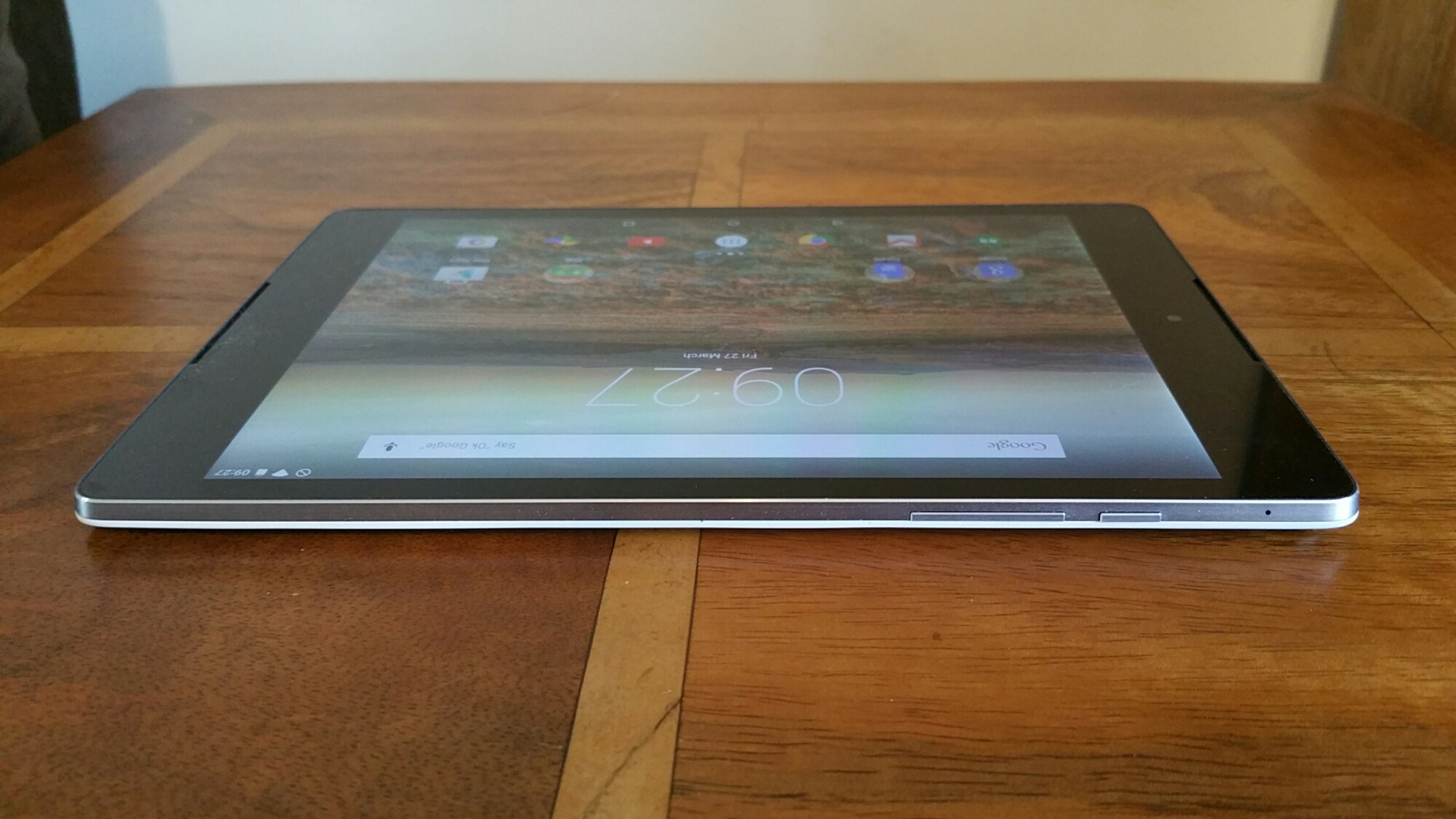
In case you did not realise the Nexus 9 is made by HTC. It is a 8.9 inch Android Tablet with a 64-bit NVIDIA Tegra K1 2.3GHz, 2GB RAM and weighs 426g. I personally thought the weight was on the high side considering it is only an 8.9 inch device. HTC’s trademark “Boomsound” front facing speakers are included..

Android Lollipop on the Nexus 9 was actually an enjoyable affair. Menus seemed more logical and the initial setup was a breeze. All of Google’s apps were included so just by signing in to my Google account I had all my documents, music and photos instantly on tap. I also liked the double tap to turn on feature.

The Nexus 9 is powered by a Nvidia Tegra K1 64 bit processor. On paper this is one powerful processor and when pushed especially with certain games it really can deliver. Heat build up is present on a regular basis, but nothing to be alarmed at. One of my favourite games, T.E.C. 3001 which is specifically designed for the Tegra K1 worked a charm. However, a few other games I had bought when I had had my Nvidia Shield tablet had trouble running on the Nexus 9. I imagine these games might need an update to support lollipop. My Moga Pro Power Bluetooth Game Controller worked well with the Nexus 9.

Battery was an interesting subject. The Nexus 9 is promoted as having 9.5 hours internet/video playback and this is in line with my results. However, play a high adrenaline game that requires all the processing power and that figure will halve. The display was just reasonable but not the best I have seen from Apple with the iPad Air 2 or Samsung Galaxy Tab S range. However, the 4:3 aspect ratio was a welcome change and made the whole user experience really excellent. This is one of the first android tablets I have used with a 4:3 aspect ratio, and I really hope other manufacturers follow suit.

Smoothness. Following on from my initial findings the Nexus 9 is fast and furious, mostly. The Google Keyboard is super quick to use, but for some reason the tablet occasionally stumbled and redraws occurred when returning back to the home screen. Maybe 2gb ram is not enough for a totally perfect setup.

Camera. The Nexus 9 has a 8mp rear camera and a 1.9mp front facing camera. Both these cameras take ok photos in good light, but in lower light noise levels increase considerably. The camera app is of course the stock Google Camera app, and consequently is a simple to use. Camera modes include photo sphere, panorama, lens blur, the rear camera can record video up to 1080p, the front records video at a max of 720p.

A highlight of the Nexus 9 is its front facing Boomsound loudspeakers. The extra quality makes movies, YouTube and everything else a pleasure and being positioned on the front is so logical too. Audio output via the headphone jack was good too and the Nexus 9 supported USB Audio.

All in all, the Nexus 9 is a lovely tablet to use. It has some flaws but overall the 4:3 aspect ratio, powerful chipset, lollipop and front facing Boomsound speakers make it an enjoyable experience.

Click Here for Offers on the Nexus 9 at Amazon

Nokia Lumia 830 vs Samsung Note 4 – camera

We all know Nokia have a great reputation for their camera prowess. And the Samsung Note 4 is also known to be a superb smartphone shooter.

I have been using the Lumia 830 in several conditions and in low light it has surpassed my Note 4. But what about macro. Below is an illustration.

First is the Lumia 830 crop and next the Note 4. The Note 4 had the benefit of a starting point of 16mp vs the 8mp on the 830.

image

image

So which do you prefer?

Oppo PM-2 Headphones – Review – Be Prepared to Be Blown Away with Incredible Sound

image

I recently review the Oppo HA-2 Headphone AMP/DAC which simply outclassed many rivals whilst looking fabulous. So I decided to give the Oppo PM-2 Headphones a go. The PM-2’s are unique as they use Oppo’s Planar Magnetic Technology. I have never bought headphones using planar magnetic technology due to the power requirements. However, Oppo have you covered here as the PM-2’s have high sensitivity.

Many planar magnetic headphones have a sensitivity far below 100 dB and require very powerful amplifiers to drive. The OPPO PM-2 has a sensitivity of 102 dB, which allows it to pair well with both mobile devices and scale upwards when used with high end headphone amplifiers.

The OPPO PM-2 utilises a planar magnetic driver that sets it apart from the majority of headphones on the market. Sound is generated by a very thin and light diaphragm whose entire surface area is evenly driven. The diaphragm is driven in a symmetric pull-push manner, and the magnetic system and conductor patterns have been optimised for maximum sensitivity and consistency. This allows the diaphragm to generate very stable and linear piston-like vibrations, ensuring phase coherence and high resolution performance with minimal distortion.

When looking at phase coherence that is when sound enters our ear, the PM-2’s have a planar wave front with all spectrum components in phase. A typical dynamic headphone driver disrupts this coherence with its phase irregularity, resulting in less than perfect signal peak reconstructions. OPPO’s planar magnetic driver has much better phase coherency since all parts of the diaphragm are vibrating in concert without break up and delayed resonance.

In addition, OPPO’s planar magnetic driver has a flat conductor pattern that does not have any inductive components. This eliminates inductance related intermodulation distortion, which is especially common in dynamic drivers with high impedance and a high number of voice coil turns.

Another reason why I haven’t used planar magnetic headphones before is that they normally have large balance deviations between the left and right channels, and obviously accurate stereo reproduction is contingent on having a very close match between the left and right channels. During the OPPO PM-2’s manufacturing process, drivers are closely matched to ensure optimum stereo imaging and soundstage.

image

Also, OPPO’s planar magnetic driver diaphragm has 7 layers of thin materials that provide excellent performance, reliability, and longevity. The construction of the diaphragm ensures that it is very stable under thermal stress and vibration. The diaphragm utilises a spiralling pattern of flat aluminium conductors on either side of the driver. The double-sided design allows twice as many conductors to be placed within the magnetic field, which leads to higher sensitivity, better damping, and even drive force.

image

The full specifications are –

– Acoustic Principle – Open back Ear Coupling Circumaural
– Nominal Impedance 32 Ohm
– Sensitivity 102 dB in 1 mW
– Clamping Pressure 5 N
– Cables 3 m detachable OFC cable (6.35 mm) and 1 m detachable OFC cable (3.5 mm)
– Cable Connectors Output: 2.5 mm mono mini jacks
– Input: 6.35 mm stereo jack, 3.5 mm stereo jack
– Weight 385 g (without cable)
– Included Accessories Carrying Case and 6.35 mm and 3.5 mm cables, User Manual
– Driver Specifications Driver Type Planar Magnetic, Driver Size (Oval) 85 x 69 mm, Magnet System Symmetric push-pull neodymium
– Frequency Response In Free-Field 10 – 50,000 Hz
– Long-Term Max Input Power 500 mW according to IEC 60268-7
– Pulse Max Input Power 2 W

image

The first thing that strikes you in the packaging. The PM-2’s are beautifully packaged. You also get a protective carry case. 2 sets of cables are included one for home listening and the other for home audio equipment.

image

The PM-2’s are built solidly and the pads are extremely comfortable. I have found I can wear these for hours and hours and still have no discomfort.

Burning in period. I was advised that planar magnetic headphones need 200 plus hours of burning in. So the easiest way is just to leave this plugged in for 2 weeks playing music non stop. For the first time, I really witnessed a massive before and after in the sound quality. So after 250 hours this is my view of the listening experience with a range of music.

Genres used – Jazz, Blues, Pop, Rock, Female Vocal. FLAC recordings via Tidal and 320mp3 bitrate songs otherwise. Below are a selection of the songs I have listened to for this review. I auditioned the headphones using two methods. Firstly, using my Samsung Galaxy Note 4 as the source and its own headphone jack/amp with an app called Poweramp. The other method was using an app called USB Audio Player Pro, USB out into the Oppo HA-2 Headphone/DAC, the HA-2 being used for its DAC only and then line out into the Cayin C5 power amp to deliver as much oomph as possible for the PM-2’s. Naturally using a separate DAC/Headphone amp improves the audio performance, but the quality via the Samsung Note 4’s own headphone jack was rather impressive too.

Sally Barker – To Love Somebody/Dear Darlin – The PM-2 deliver the vocals, guitar and all the detail on the song with such exquisite precision. Sally Barker’s voice sounded so so emotional, no words can really describe the sensation.

Adele – Rumour Has It/ Lovesong – beautiful vocals, fast rhythmic drums, instruments and the a great beat – all so well captured and played. Lovesong has a guitar piece at the beginning of the song. The PM-2’s presentation is off the charts, I could just put this song on repeat and listening to it for hours. And then the bass track arrives, again reproduced perfectly by the PM-2’s

Paloma Faith – Can’t Rely on You – punchy, musical and a superb presentation. Paloma Faith’s voice stands out with her lovely vocal tones.

Yolanda B Cool & D Cup – We No Speak Americano – I choose this song for those that like a bit of dance music. The pace provided recreated by the PM-2’s is really toe tapping stuff, deep bass, and they pick up all the nuances within the track. I really enjoyed what the PM-2’s did with this song.

The Louis Lester Band – Downtown Uptempo/ Sweet Mary Jane – from Dancing on the Edge. My recommendation is listen to the whole album. Close your eyes and let the music melt away before you. All the instruments, vocals and just about everything on this is so impeccable and musical. Jazz/Blues genres explode to life on the PM-2’s. I don’t know if you have ever heard an artist perform, and the hairs lift on your arms. Well, this is exactly what the PM-2’s did with this album. So so good.

Queen – Bohemian Rhapsody – good separation, stunning vocals, and its Queen. So thumbs up again! What makes this track sound so special is the lifelike vocals by the PM-2’s.

Bastille – Weapon/ the Driver – the electronic sounds and fast beat really well delivered. Great vocals feeling life like vocals again. The timbre of the vocal tones is stunning. Also, the PM-2’s scale rapidly as the music explodes.

Nicola Benedetti – The Lark Ascending – natural lifelike sound again. The violin is so real in your ears. I didn’t want the song to end. Beautiful. It was as if Nicola Benedetti was playing next to me. The level of detail extracted was huge with the ability to hear all sorts of extra nuances.

So in summary the Oppo PM-2 Headphones are breathtaking. The musical experience is off the charts like nothing I have ever heard before. A HUGE recommendation from me!!

Oppo PM-2 Headphones Offers at Amazon UK

Samsung Galaxy Note 4 – Official S Charger Qi Wireless Kit – Review

image

Qi Wireless Charging has not been my favourite option due to inconsistencies in products and implementation by manufacturers.

When I had my Samsung Galaxy S5, I bought the official Samsung Qi Wireless Kit which included the Samsung Qi back cover and charging pad. Let’s just say that this was a disastrous piece of kit and poorly implemented by Samsung. Apart from the back cover being thicker than the standard back cover, meaning existing cases won’t fit, the Samsung charging pad was temperamental and once it charged the S5, it turned off so by morning the S5 could be down to 80% battery. It had other issues too.

So, when I ordered the official Wireless Charging Kit for my Note 4, I was expecting to return it but to my surprise it actually is bullet proof in operation. In the box you get the charging pad and replacement back cover.

Firstly you remove the back cover and swap it for the Qi version. This adds additional thickness so once again your cases are likely not going to fit. Then plug your Samsung charger into the pad (actual mains charger is not supplied) and a LED light turns orange then green, and then goes off. Place the Note 4 on the pad, and the light turns green to notify you it is charging. The LED light does not turn off but to prevent it being too bright at night, I moved the Note 4 a little over the LED. The charging pad still had no issues charging the Note 4. In the morning, the Note 4 battery was at 100%. Also, I have never noticed huge heat issues with this combo. I have also used another Samsung charger (non adapter fast charger) and this also worked just fine with the charging pad. For once the official wireless charging kit did exactly what it said on the tin!

So as long as you don’t mind the additional thickness and weight, then there is nothing to lose. It is currently reduced on Amazon from £53 to £35. So Click Here for Special Offer on Amazon

Nexus 9 – First Impressions

I received the Google Nexus 9 a few days ago. I will be writing a more detailed review shortly but in the meantime here are my initial thoughts.

This is the 16gb storage version. This had around 8gb storage free. I am not sure why the storage is so low, considering this is meant to be a “pure” Google build. It runs Lollipop.

The Nexus 9 is made by HTC. The Nexus 9 is a 8.9 inch Android Tablet with a 64-bit NVIDIA Tegra K1 2.3GHz, 2GB RAM. It weighs 426g and the battery is meant to last 9.5 hours. HTC’s trademark “Boomsound” front facing speakers are also present.

This is my first Lollipop device and pure Google Experience. Starting up for the first time, the new Lollipop setup menus seemed simpler and more logical. I was up and running in no time. I was excited by the fact that the processor was a Nvidia Tegra K1, meaning all the games I bought specifically for my Nvidia Shield Tablet would work on this tablet. Not so. Only T.E.C. 3001 worked and 3 other games had trouble running. Clearly these games needed updating. T.E.C. 3001 was absolutely brilliant on the Nexus 9, played using the Moga Pro Power Game Controller.

Battery. I need more time, but it does seem to zap juice under certain circumstances eg playing T.E.C. 3001. I will keep an eye out on actual run time to see if I can get around 9.5 hours. It is a shame this isn’t higher, especially as the tablet weighs 426g. It feels slightly heavier than other tablets I have used recently and yet it is lighter than say the Samsung Galaxy Tab S 10.5. But the illusion of weight does gives it a sturdy feel.

Smoothness. On the whole the Nexus 9 is a nimble affair. Typing on the on screen keyboard is very fast. I have experienced a few redraws of the home screen was pressing the home capacitive button.

And finally for now my lasting impression is those front facing Boomsound loudspeakers. The extra quality makes movies, YouTube and everything else a pleasure.

If you have any questions you would like answering for the main review, please let me know.

Samsung Galaxy A5 – The Trendy Selfie Phone

image

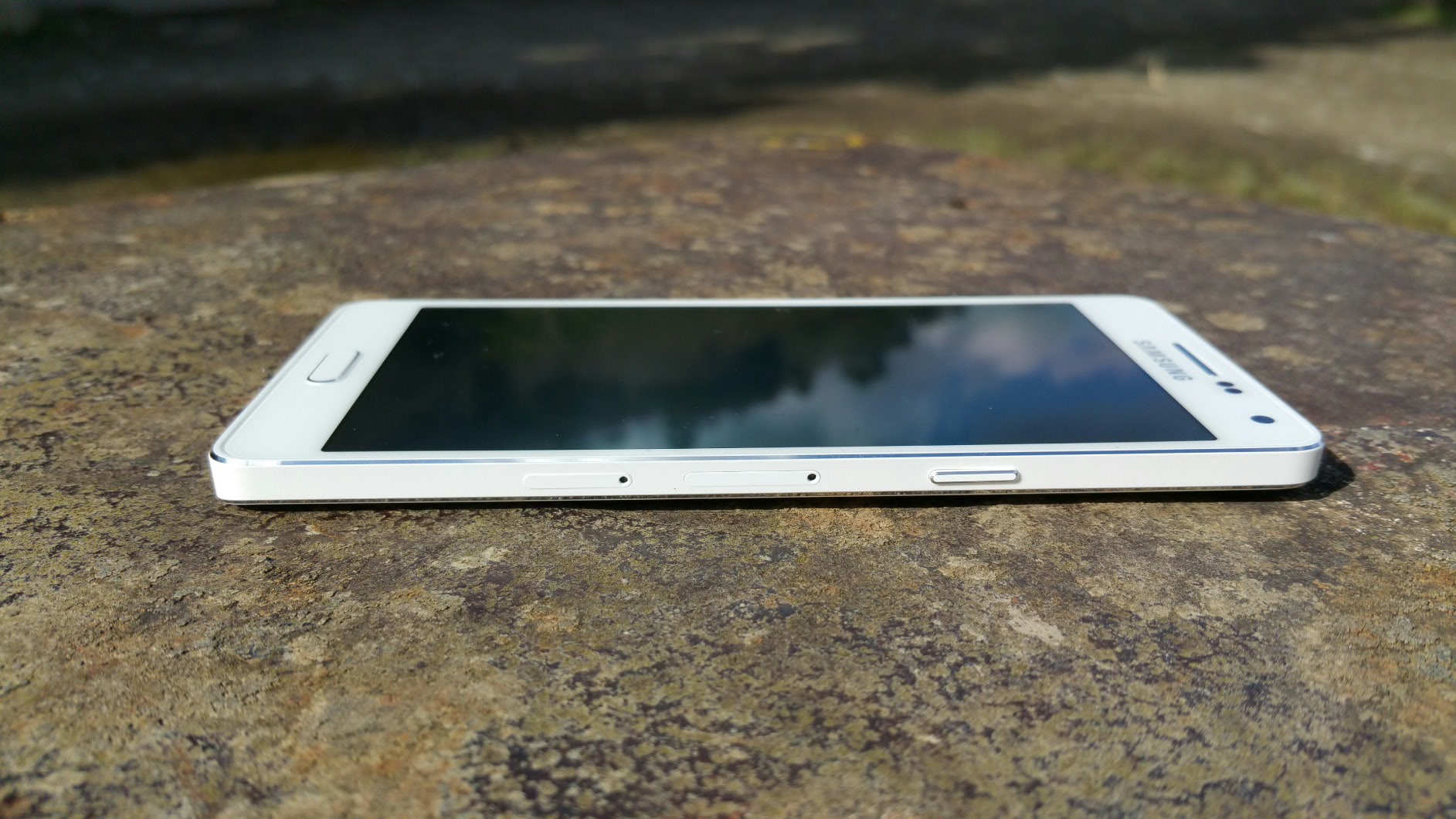
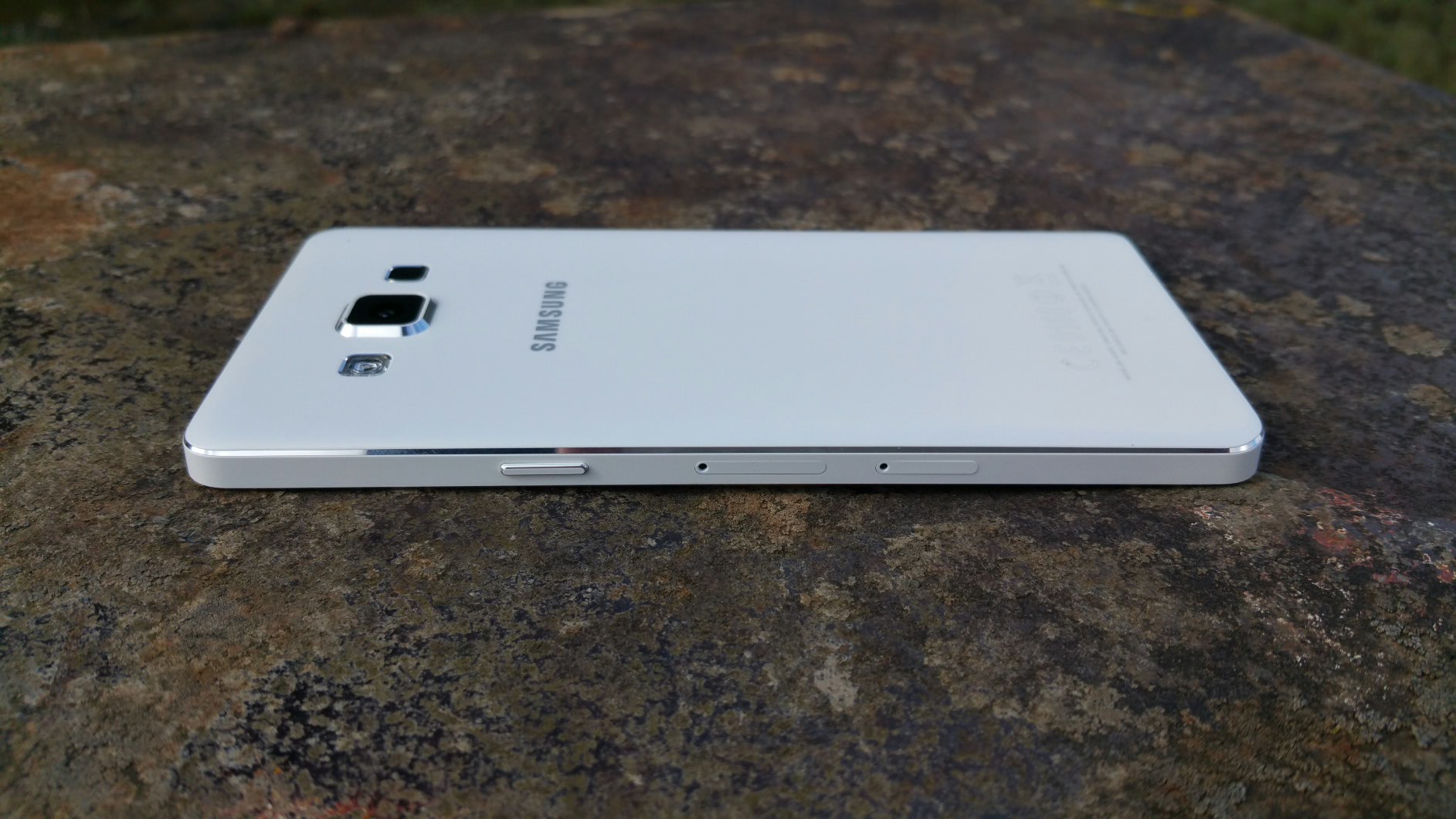
The Samsung Galaxy A5 is 6.7mm thin. It is a solid unibody design that looks gorgeous. Just look at the photos.

image

image

When Samsung announced the all new metal unibody Galaxy A5 along with the smaller A3, I was really keen to try the Galaxy A5 in particular. I had had a blast using the Samsung Galaxy Alpha but the A5 took the materials to the next level over the Galaxy Alpha. It’s a very solid phone, which doesn’t bend! At 6.7mm thin it fits in all my pockets, shirts and jeans with ease. I’m fact, I enjoyed using this phone so much due to its performance, size, camera and finish. Out and about with friends we spent hours taking endless selfies!

As this is a Samsung, the Galaxy A5 comes equipped with an lovely Super AMOLED display and Adaptive Display technology which as expected produces wonderful images.

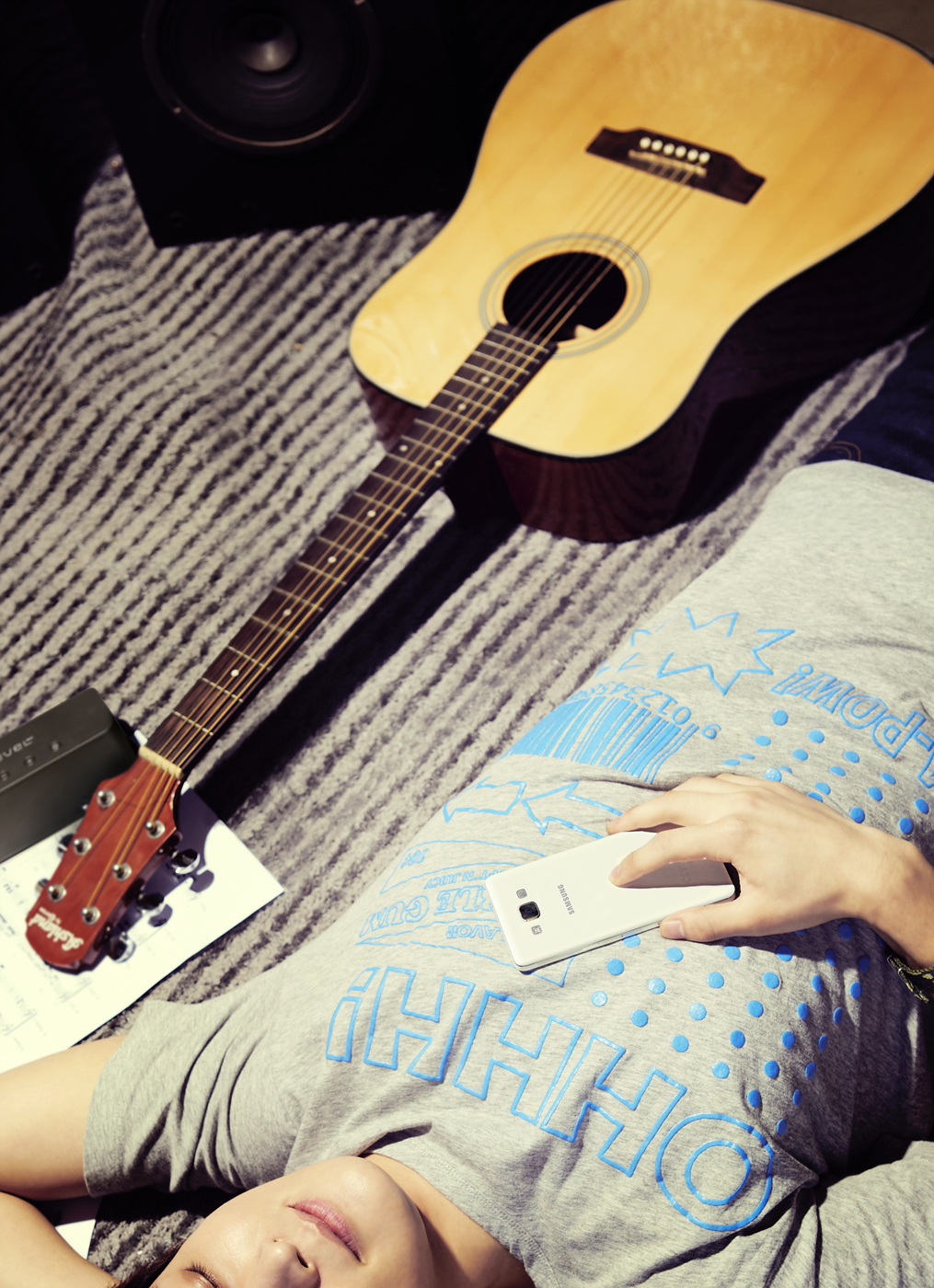
The Galaxy A5 proved to be a hit taking selfies. The camera has a Wide Selfie (like a panoramic selfie), Palm Selfie (just hold your palm in front of screen to get 2 sec countdown), Animated GIF, Beauty Face Features (3 different adjustments – beautify, thinner cheeks, eyes) and Rear-Cam Selfie, which enabled me and my friends to capture great selfies in high resolution. Again using the Rear Selfie mode, you got a beep to say locked on to our faces, then countdown beeps before taking the selfie.

image

The Galaxy A5 was really quick at automatically detecting and focusing on a person’s face. In low light or outdoors my friends and I took some smashing photos. This phone has been clearly tuned for decent selfies and this really surprised me.

The Samsung Galaxy A5 comes with LTE Category 4 which is handy for quick uploads and sharing of photos and videos, to Twitter and other social media websites.

image

I thought the camera took some great photos too.

image

image

In some of the specialist modes like night mode and HDR, the 13mp resolution is dropped to 8mp.

One of my favourite features is Ultra Power Saving Mode. One evening, just before 11pm and with just a few percent battery remaining, I turned on Ultra Power Saving Mode which gave me enough juice for another 25 hours basic phone usage.

The key remaining specs are as follows –

Samsung Galaxy A5 Specifications

– Processor 1.2GHz Quad-Core Processor
– Display 5.0” HD Super AMOLED
– OS Android 4.4 (KitKat)
– Camera Rear: 13MP AF with LED Flash, Front: 5.0MP
– Camera Features – Wide Selfie, Rear-cam Selfie, Beauty Face
– Ultra Power Saving Mode
– Changeable Theme (Natural, Classic, Casual, Romantic),
– Private Mode, Multi Screen, Quick Connect
– Wi-Fi: 802.11 a/b/g/n
– Bluetooth: 4.0(BLE, ANT+)
– NFC (LTE version only)
– A-GPS/ GLONASS
– Sensors – Accelerometer, Proximity, Geo-magnetic, RGB ambient light, Hall Sensor
– Memory 16GB Internal memory + micro SD slot (up to 64GB)
– 2GB RAM
– Dimension139.3 x 69.7 x 6.7mm, 123g
– Battery 2,300 mAh
– Gorilla Glass 4

I tested the loudspeaker which is next to the camera on the rear. As the camera is slightly raised it doesn’t get muffled. It’s a clear loud sound. Headphones sound good via the headphone jack too. USB Audio is not supported.

Touchwiz now has themes which add a lovely bit of personalisation.

But the real takeaway for me and my friends was how solid, stylish and slim the all metal unibody design felt, the fast speed of operation, and how much fun is was to use the Galaxy A5 to snap selfies using the front or rear camera, and then share them quickly using 4G internet speeds.

To find out more on the Samsung Galaxy A5 and current offers head over to Amazon UK
image