Category Archives: Android

Asus Zenfone Zoom – Low Light Camera Shots – All Shooting Modes used

img_2098

Today is all about low light shots from the Asus Zenfone Zoom. So have a look at the camera shots below which also provides details on the exif data. All shots have a f/2.7. For the light trails living on rural Dartmoor means cars hardly ever appear hence the meagre light trails πŸ˜€

Shot 1 and 2 – ISO 50, f/2.7 , Shutter – 2 seconds 


Shot 3 – ISO 520, Shutter 1/4 second


Shot 4 – ISO 50, Shutter 2 seconds 


Shot 5 – ISO 50, 1 second shutter 


Shot 6 – Auto mode ISO 450, Shutter 1/8 second


Shot 7 – HDR mode – ISO 800, Shutter 1/7 second 


Shot 8 – Super Resolution mode – Image is 8320 x 4680 – ISO 468, Shutter 1/8 second


Shot 9 – Low Light mode – Resolution drops to 3mp – ISO 554, Shutter 1/12 second 


Shot 10 – Night mode – ISO 338 , Shutter 1/6 second 


And there we have a selection of low light shots from the Asus Zenfone Zoom. 

Asus Zenfone Zoom – Camera app, Settings and Tricks – review

img_2098

The Asus Zenfone Zoom might be a smartphone with a 3 times optical zoom but it also a decent smartphone in its own right. Unlike previous attempts by other companies like Samsung with the S4 Zoom and K Zoom, both of which I have owned and reviewed (see the index, reviews to read these) which had mid range processors and minimal storage, the Zenfone Zoom has a decent 64 bit processor, 4gb ram and as standard 64gb storage plus support for a micro SD card. It also packs tons of smartphone features, so lets crack on and go through them all (hopefully). In terms of my thoughts on the image quality, I will cover this off in my main review which will be live in about a week.

The Main Settings and Other Phone Options

Further down I have created a gallery of screen shots of a number of different settings options. Tap on one photo to open the gallery.

The first aspect of the phone I like is the double tap to turn on or off. Other useful aspects are the inclusion of NFC, One Handed Mode (double tap home key to turn on), Power Saving options, Easy Mode and also a kids mode. Are you brave enough to allow your kid to use the phone! Wi-Fi also includes support for Wi-Fi Direct. Bluetooth includes APT-X. Data usage is split between Mobile Data and WiFi as well as details of data usage per app. The display has options for adjusting the colour balance and also activating a blue filter for night time viewing. I have never used a blue filter at night until I got this phone, but it really helped reduce my eyestrain. ZenMotion is a range of motion gestures used as shortcuts for various actions. Double tapping the home key when one handed operation is active, reduces the size of the screen. You can move the screen around too. You can also write on the screen to launch different apps. What is neat is there are options to launch the front camera by scribbling a “S” and a “C” for the rear camera. A decent do not disturb option is available. The lock screen has the option for quick access apps and whether or not to allow the physical keys to turn the camera on. See the screen shots to show all the details. Theming is everywhere with loads of customisations galore for every aspect including resizing the icons on the fly. I see no need to install a third party launcher with the Asus Zenfone Zoom.

The Camera App Interface

img_2105

Ok, so this is a camera centric phone. So what are the options.

Front Selfie Settings

The front camera has lots of options from a timer that can be made to go off from 1 – 5 secs. To control the length, you just slide the shutter icon into the screen centre. The more you slide, the longer the delay becomes. Beautification is all the rage and the options include cheeks thinning, eyes enhancement, skin softening, blush effect, face/smile tracking. I had a lot of fun with the front selfie camera and was pleased with the shots even in lower light. I lost at least 10 years off my age with the beautification options πŸ™‚

Rear Camera Settings

The rear camera has a feast of options. Or you can just use the auto mode. The operation of the camera is aided by a 2 stage physical shutter button and a physical button for launching video recording. The video button is next to the 2 stage shutter button. The volume keys then act as zoom controls. By default the settings are left to use the 3x optical zoom only and in my tests it bests to avoid using the digital zoom that goes all the way to 12 x zoom. It is better to crop into the 3 x optical zoom shots as the quality will be superior.
img_2096

When in Auto mode, if a better mode will produce a superior result, the mode icon appears bottom right. Tap on the icon to switch to this mode, or turn off. Typically this appears for HDR or Low Light mode. To give you an idea of the setting ranges in manual mode.

– White Balance – 2500K to 6500K
– EV – -2 to + 2 in intervals 0.3, 0.6 1.0 etc
– ISO 50 to 3200
– Shutter speed – 1/16000 (thats right, its super fast) to 32 seconds for long exposures
– Manual Focus – slider control
– Horizontal Level
– Histogram – on or off when taking photo

In Auto Mode you get the following options which alter if you are using another mode.

– White Balance – Auto, Cloudy, Daylight, Fluorescent, Incandescent
– ISO 50 – 3200
– Photo Optimisations – Auto, Off, Manual – Manual gives fine tuning for saturation, contrast, sharpness, noise reduction, backlight, detail enhancement
– Camera Resolution – 13MP 4:3, 10M 16:9, 8MP 4:3, 6MP 16:9, 5MP 4:3, 4MP 16:9
– Anti Shake enhancement – Auto or Off
– Digital Zoom – on or off
– Image Quality – Fine, Standard
– Timestamp – On or off
– Shooting Mode – Touch Shutter, Self Timer, Burst (off, normal, turbo)
– Focus & Exposure – Smart AF, Infinity
– Metering Mode – Centre, Average
– Touch Auto Exposure – on or off
– Face Detection – On or Off

For Video you get the same options with regards to white balance controls and EV adjustments as stills!

– Video Quality – Full HD, HD and TV (640 x480)
– Video Stabilisation – on or off
– Video Preference – Performance or Quality
– Video Touch Auto Exposure – on or off

Generic settings include smart brightness, guidelines, info screen, review duration, shutter animation, shutter sound on or off, launch by physical buttons options, location, correct photo orientation on or off, anti flickr 50 or 60Hz, Power Saving Mode, Set Volume keys for shutter or zoom, save to internal or SD card and a tutorial.

So what do the different photo modes do?

– Auto – automatically determines the cameras best settings based on the environment
– Manual – You decide
– HDR – Expands the dynamic range
– Beautification -makes you look beautiful
– Super Resolution – Combines multiples shots to create incredible detailed photos
– Low Light – boosts up light sensitivity for a clear and bright low light shot without using the flash. Images are 3mp 16:9.
– Night – Allows a slower shutter speed to capture more light in dark scenes
– Depth of Field – Captures photos of close-up subjects with a soft background
– Effect – applies a range of filters
– Selfie – use the rear camera for a high res shot
– GIF Animation – converts a series of images into a moving image or GIF
– Panorama – Horizontal or Vertical
– Miniature – Creates a photo of life size object and turns it into a small scale model
– Time Rewind – Records images before and after the shutter and allows you to select the best ones
– Smart Remove – removes unwanted moving objects from the background
– All Smiles – Combines each persons best expression from multiple shots into a single perfect group photo
– Slow Motion – records fast moving objects with very high frame rate and plays back in slow speed
– Time Lapse – Time lapse recording.

Each of the above modes often have a few extra options too.

Photo Editing Options

After taking a photo, you can easily check the information of the photo, from the time and date, weather at the time, width, height, file size, device, flash, focal length, white balance, exposure time, storage location, and geo location displayed on a map with the coordinates.

Post processing allows for all the beautification options as mentioned previously, applying over 17 filters, adding frames, cropping, straightening, rotating, mirroring or drawing, or fine tuning the photo (auto, exposure, vignette, grads, contrast, shadows, highlights, vibrancy, sharpness, curves, hue, saturation, BW filter, negative, edges, posterise, blur, feather or relief).

All in all, a comprehensive camera app with a wealth of options. As I mentioned, earlier, my main review will include a range of camera samples plus my opinion on its photo and video quality plus other aspects not revealed today.

Tomorrow I will look at low light shots and next week I will conclude with my main review.

Asus Zenfone Zoom – Camera Samples

img_2098
On Saturday I took the Asus Zenfone Zoom out to put the camera through it paces and used my iPhone 6S as a comparison. If you go back one post there are shots from the iPhone 6S Plus. 

Apart from the panoramic shot from the iPhone , all the others were too dark and lacked the sparkle of the Zenfone Zoom. None of the Zenfone Zoom shots have been edited. Please give time for photos to all appear. Click on each photo to see the original.  And be patient to allow all the photos to appear.

Turbo Burst Mode – This uses a ratio of 16:9 and reduces quality to 3mp. 

George, Tiggy and Fury hit the snow slopes of Dartmoor #Asus #ZenfoneZoom

George, Tiggy and Fury hit the snow slopes of Dartmoor #Asus #ZenfoneZoom

George, Tiggy and Fury hit the snow slopes of Dartmoor #Asus #ZenfoneZoom

George, Tiggy and Fury hit the snow slopes of Dartmoor #Asus #ZenfoneZoom

George, Tiggy and Fury hit the snow slopes of Dartmoor #Asus #ZenfoneZoom

Normal Burst Mode – Full size photos 

George, Tiggy and Fury hit the snow slopes of Dartmoor #Asus #ZenfoneZoom

George, Tiggy and Fury hit the snow slopes of Dartmoor #Asus #ZenfoneZoom

George, Tiggy and Fury hit the snow slopes of Dartmoor #Asus #ZenfoneZoom

George, Tiggy and Fury hit the snow slopes of Dartmoor #Asus #ZenfoneZoom

George, Tiggy and Fury hit the snow slopes of Dartmoor #Asus #ZenfoneZoom

George, Tiggy and Fury hit the snow slopes of Dartmoor #Asus #ZenfoneZoom

Auto Mode Shots. You can see below examples of non zoomed versus 3 x optical zoom. Having the optical zoom really makes such a big difference. I was also surprised how much more appealing the Zenfone shots were over the iPhone 6S Plus. 

Stunning landscapes of a snowy Dartmoor near Little Mis Tor #Asus #ZenfoneZoom

Stunning landscapes of a snowy Dartmoor near Little Mis Tor #Asus #ZenfoneZoom

And now with 3 x optical zoom. I prefer this version and the other 3 x optical zoom shot below.

Stunning landscapes of a snowy Dartmoor near Little Mis Tor #Asus #ZenfoneZoom

Stunning landscapes of a snowy Dartmoor near Little Mis Tor #Asus #ZenfoneZoom

No zoom used below.

Stunning landscapes of a snowy Dartmoor near Little Mis Tor #Asus #ZenfoneZoom

Now with optical zoom.

Stunning landscapes of a snowy Dartmoor near Little Mis Tor #Asus #ZenfoneZoom


Stunning landscapes of a snowy Dartmoor near Little Mis Tor #Asus #ZenfoneZoom

Zoomed in again optically.

Stunning landscapes of a snowy Dartmoor near Little Mis Tor #Asus #ZenfoneZoom

HDR mode.

Stunning landscapes of a snowy Dartmoor near Little Mis Tor #Asus #ZenfoneZoom

Panoramic photos from the Zoom are only about 2mb in file size and not a patch on the quality of the iPhone 6S Plus. Apart from the panoramic shot from the iPhone I felt the Asus Zenfone Zoom took the better shots. It is worth noting that turbo burst shots reduce to 3mp and a 16:9 aspect ration. Normal burst mode shots are full resolution shots. 

Asus Zenfone Zoom – Optical Zoom with photo optimisations – Which photo is better?Β 

As mentioned in earlier posts on the Zenfone Zoom, the phone has 3 times optical zoom. The 2 shots below are using just over 2 x optical zoom. Except in the first shot the phone had photo optimisations set to Auto and the second I manually adjusted the settings.

Just to explain a bit further, the camera app settings has an option called optimisation. You can set it on auto, off or manual. By default it’s on auto. 

Using manual, you can fine tune the levels of saturation, contrast, sharpness, noise reduction, backlight and detail enhancement. 

First shot is in auto mode and auto photo optimisation. Both photos are tighter crops of the original which was using 2 x optical zoom of the pepper dispenser. 


So now manual photo optimisation shot again in auto mode.
  
So which do you prefer ?

If You’re Shopping on Amazon UK, you can help Gavin’s Gadgets at no extra cost – Pls RT

Can you help Gavin’s Gadgets? Actually you can. If you decide to buy anything on Amazon, please use the special link below to visit Amazon UK. By using this link, you will help support Gavin’s Gadgets with all the running costs and more, and yet it won’t cost you anything when you shop on Amazon UK. That’s right the price you pay at Amazon is the same whether you use the link below or not. Just think of when you use Amazon for anything you actually need, you can shop and help Gavin’s Gadgets at the same time

GavGadgets@Amazon

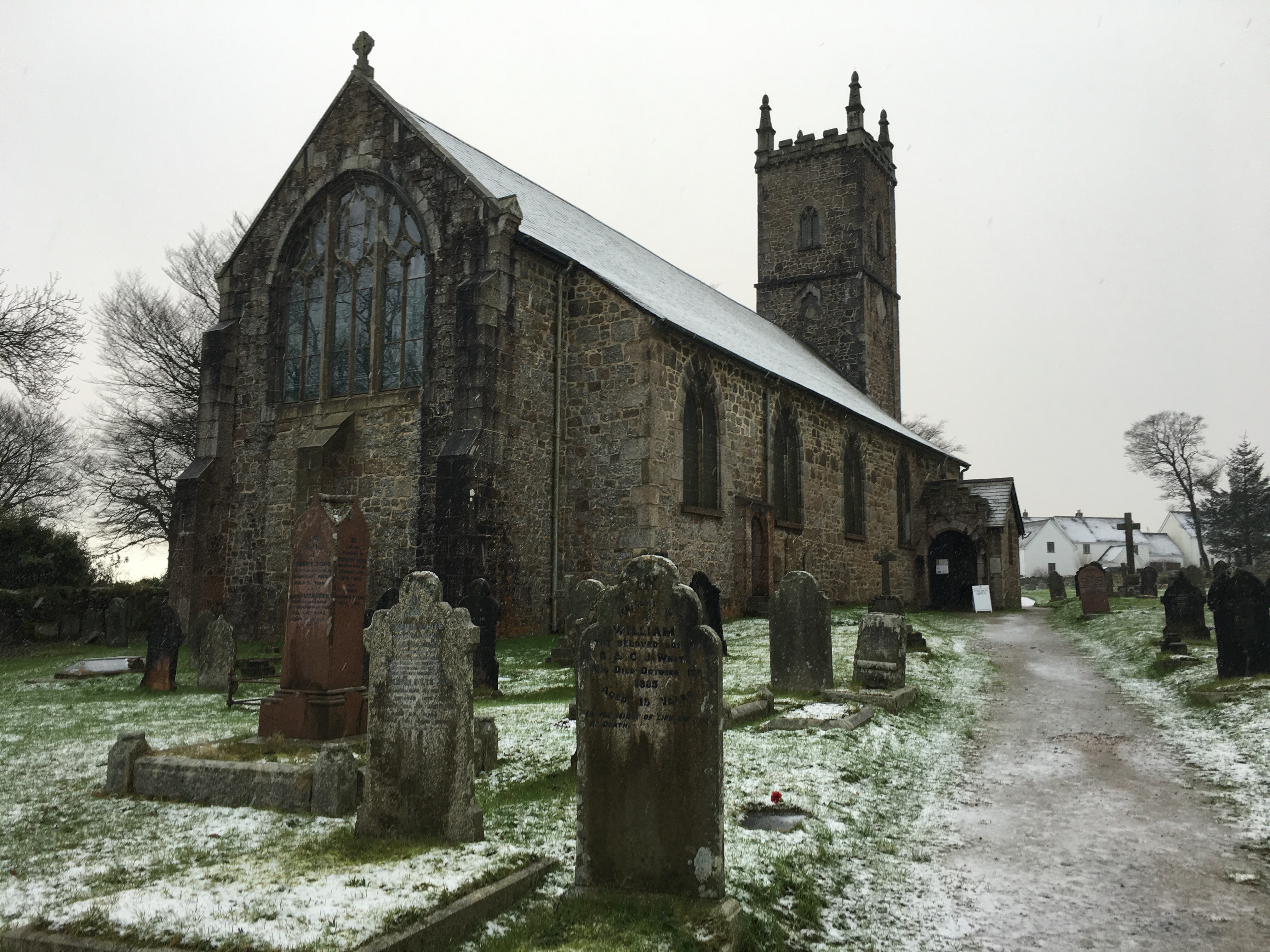
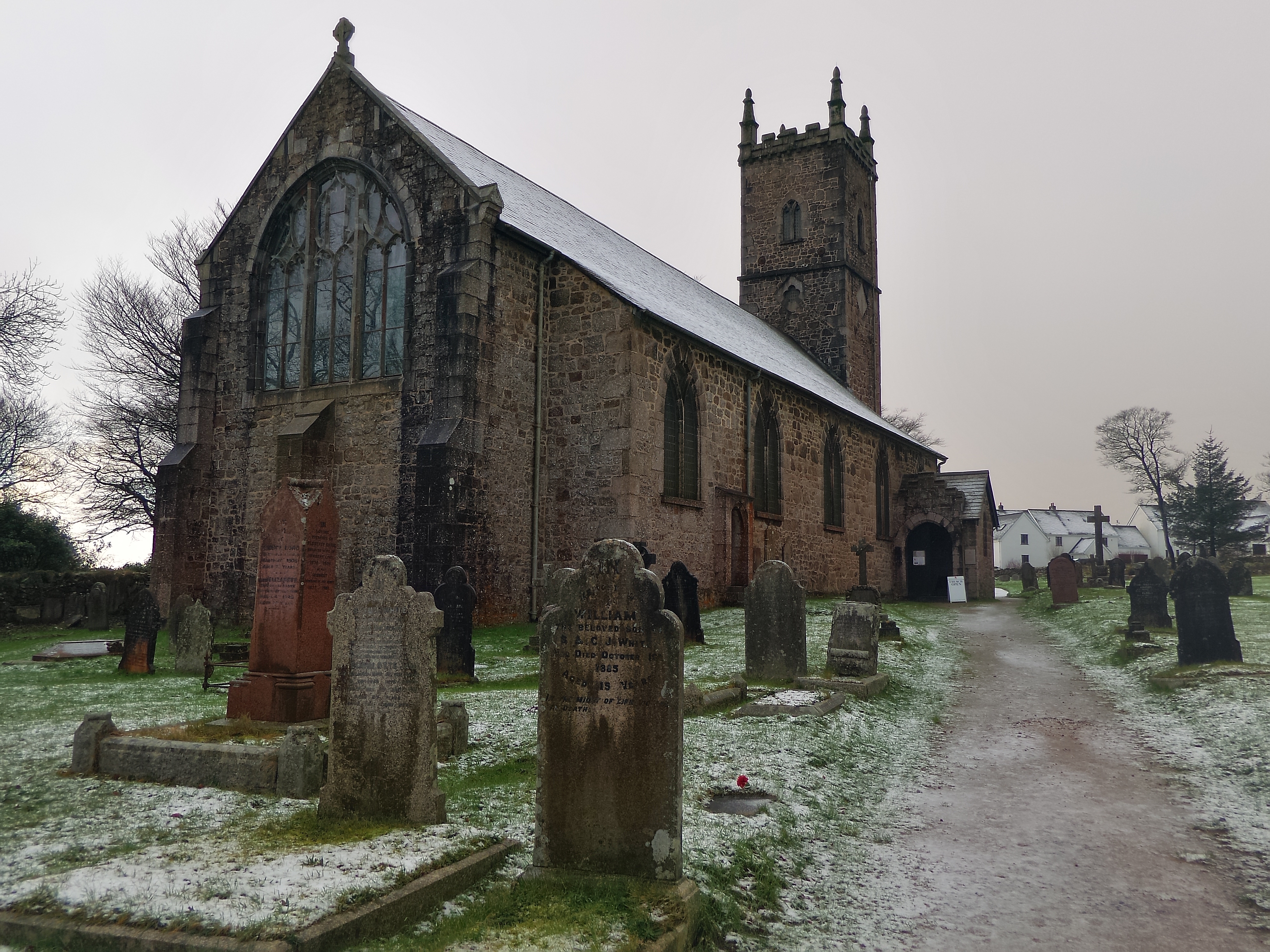
Moody #Princetown #Dartmoor in the #Snow – #UKSnow – Shot on the #Asus #Zenfone #Zoom

The snow arrived last night and through the early hours of the morning up in Princetown, Dartmoor.

So at the crack of dawn I went out and took a number of photos. I decided to use the new Asus Zenfone Zoom smartphone which has 3 x optical zoom, an Apple iPhone 6S Plus and a Sony RX100.

Before sunrise, the worst shots came from the RX100 as the white balance was wrong. The iPhone 6S Plus did a much better job and the Zenfone Zoom just took first place, albeit a very close first place.

Then sunrise started and once again I used all 3 devices. This time the Sony RX100 totally smashed out a corker of a shot. Both the iPhone 6S Plus and Asus Zenfone Zoom took superb photos but once again I preferred the post processed shots from the Zenfone Zoom. Anyway, below are the shots from the Zenfone Zoom at sunrise, with a quick edit in snapseed.

The photos may take a moment to load. Click on each photo to see the full size version. 

Moody #Princetown #Dartmoor in the Snow #UKSnow #Asus #ZenfoneZoom


Moody #Princetown #Dartmoor in the Snow #UKSnow #Asus #ZenfoneZoom


Moody #Princetown #Dartmoor in the Snow #UKSnow #Asus #ZenfoneZoom

Moody #Princetown #Dartmoor in the Snow #UKSnow #Asus #ZenfoneZoom

Apple iPhone 6S vs Asus Zenfone Zoom – Camera shootout

Here we go. A quick camera comparison of the Apple iPhone 6S Plus versus the Asus Zenfone Zoom. 

The photos below are the only shots I took. No second or third attempts and choosing the best one. The weather was turning fast (snow) so it was take the photos as fast as possible. 

iPhone 6S Plus – Auto Mode – HDR not used 


iPhone 6S Plus – Digital Zoom – Difficult to tell how many times zoom this was but I tried to estimate it to 3 times. Also as you can see it just started snowing again. 


Asus Zenfone Zoom – Auto – these shots are after the massive firmware update received last night as as documented in my other post today. Unfortunately it was snowing for the first shot below. 


Asus Zenfone Zoom – 3 x optical zoom – so much clearer this shot than the digital zoom from the iPhone. I have done many other optical zoom shots are the quality is much better than using digital zoom from the iPhone. 


Asus Zenfone Zoom – Super Resolution mode – all the photos were handheld but I am certain super resolution photos would benefit from a tripod. File size was 12mb. 


Asus Zenfone Zoom – HDR mode – One of the good points of the Zenfone Zoom is the Auto mode will suggest an alternative mode eg HDR or Low Light and bring up an icon on screen to allow you to switch immediately without going into the settings and selecting a different camera shooting mode. HDR was not suggested by the Zenfone Zoom.  I just wanted to see how it turned out. 


Anyone that’s all for today. I just wanted to share some first shots. And remember these were the only shots taken on each phone. One shot, one chance to get it right and all handheld! 

Asus Zenfone Zoom – First Impressions and Camera Samples – Review Part 1

  
The Asus Zenfone Zoom has arrived. This phone is special. It has a 3 x optical zoom lens which operates without any moving external parts. The whole mechanism is internal. See video below. 

So what’s inside the box? The photos below show the contents of the box. I like the fact it comes with a lanyard that attaches securely to the phone. You also get a pair of headphones, quick start guide, UK adapter and micro USB cable. 

  
The key specifications are –

The other specifications –

– Display – 5.5-inch 1080p Full HD, 403ppi, IPS LCD
– Corning Gorilla Glass 4
– Processor – 64-bit 2.5GHz Quad-core Intel Atom Z3590 CPU
– Graphics – PowerVR G6430 GPU
– RAM – 4GB LPDDR3
– Internal Storage – 64GB eMCC Flash or 128GB eMCP Flash
– External Storage – microSD (up to 128GB)
– Cameras – Rear – 13MP Panasonic SmartFSI sensor with a 10-element Hoya 3x optical zoom lens, aperture ranges from f/2.7 to f/4.8
– 5MP front-facing camera
– Software – Android 5.1 with ASUS ZenUI
– Connectivity Wi-Fi 802.11a/b/g/b/ac
– Bluetooth 4.0+ EDR
– NFC
– micro-USB
– Battery – 3000mAh non-removable Li-Polymer – comes with a rapid charger
– Dimensions – 158.9 x 78.84 x 11.95mm
– Weight – 185g
– Build – aluminium body with a removable leather back cover for accessing the micro SD and Micro SIM slots

So you’re wondering what the picture quality is like. Below are the first shots of the camera. The below photo is taken in HDR mode.  Edit – Curse! These were literally the very first shots below, and later on when back home I realised in the camera app settings the picture quality was set on medium, not high. The difference on the high setting is noticeably better.

  
Let’s zoom in optically 3 times. We now see this. 

  
As the above shot is optically zoomed in it is still possible to crop the photo and still get a crispy crop. 

There are a multitude of shooting modes including manual which allows for a 32 second shutter time. 

Night mode takes a really dark scene and brightens it up a lot. This was pitch black practically. I have used the night mode on several shots last night and was impressed with the results. 

  
Don’t worry my review will examine the camera in more depth. I will also be preparing a 3 way camera shootout with the iPhone 6S Plus and LG V10. 

So starting up the Asus Zenfone Zoom for the first time takes you through a number of sign in pages including redeeming 100gb of Google Drive storage, free for 2 years. About 20 apps needed updating plus another 25 of Asus own apps/ZenUI apps. A 63mb firmware update was available which was for stability updates. After everything had updated I had 55gb free of the 64gb storage. The Asus Zenfone Zoom also has a micro SD card slot. This phone has plenty of space of saving video and photos.

The Asus skin appears to be incredibly customisable. Icons can be resized on the fly and more. I have downloaded and installed a more cleaner theme so far. I ran AnTuTu which produces a score of 59,160.

In terms of design, the Zenfone Zoom is well built and looks great. As a camera phone it has a dedicated 2 stage physical camera button, which also launches the camera. There is another physical button for recording just video. The volume keys act as zoom buttons.

I must admit there is a lot to learn on this phone as Asus provide plenty of extras. The camera app is extensive too with many modes including manual as mentioned above.

So my plan is to test this more throughly at the weekend and next week start posting more thoughts. This should work out quite nicely, as I should be receiving the LG V10 UK version around Tuesday or Wednesday.